
Last updated November 23, 2026
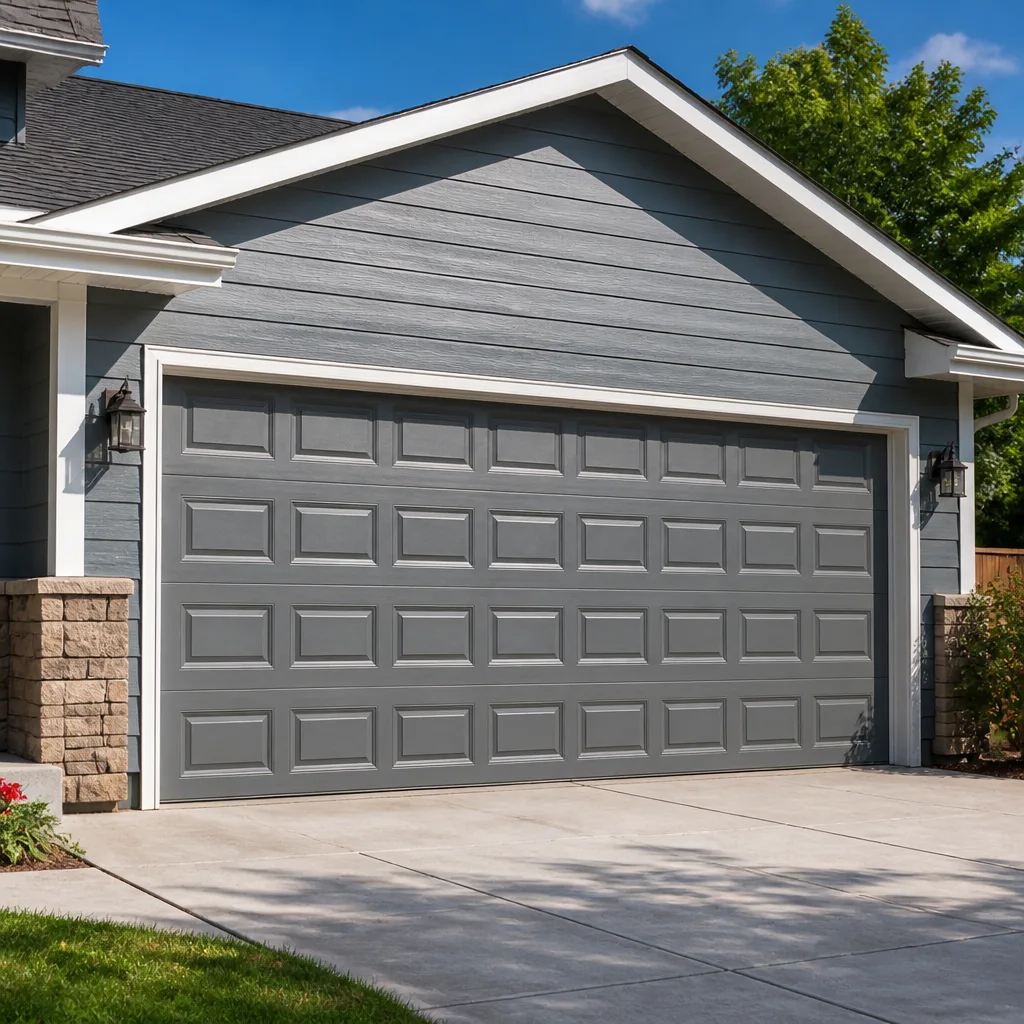 Raised-panel steel
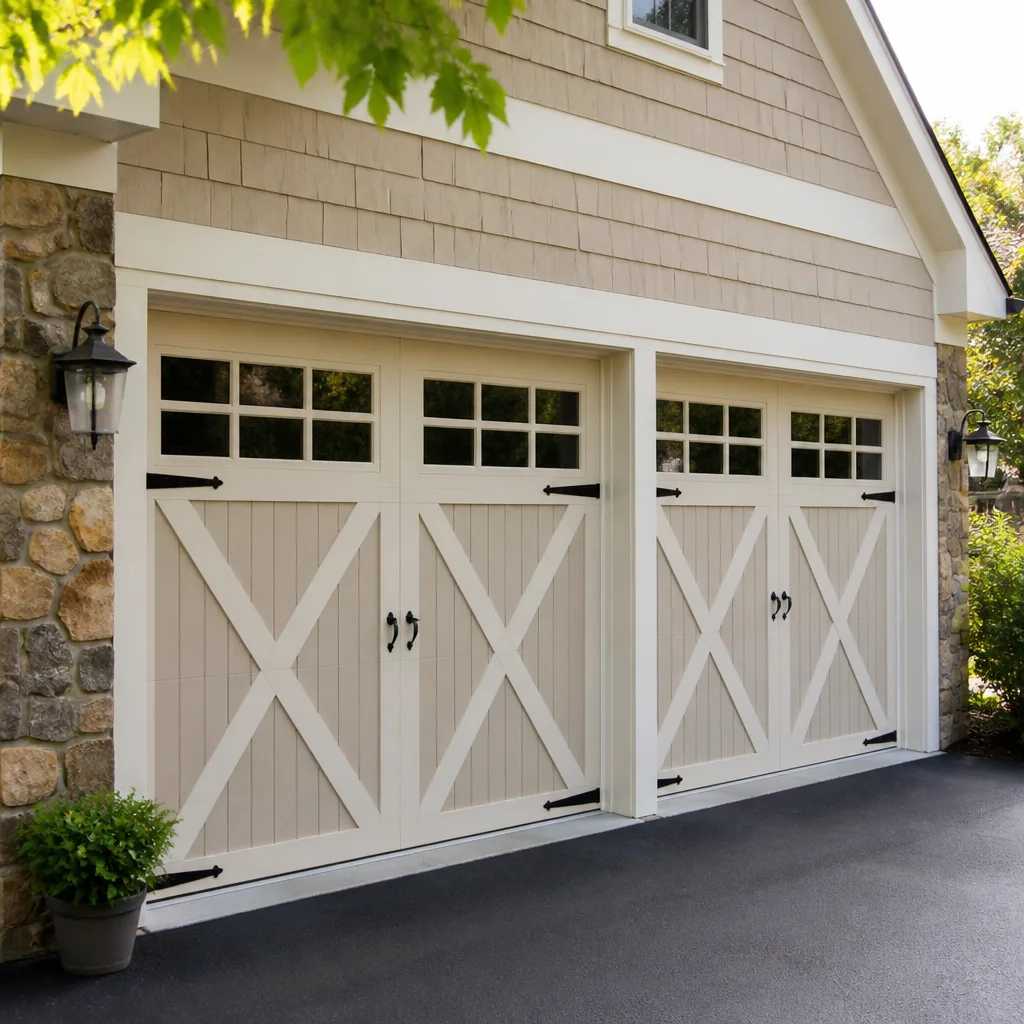 Carriage house
 Modern flush
 Full-view glass
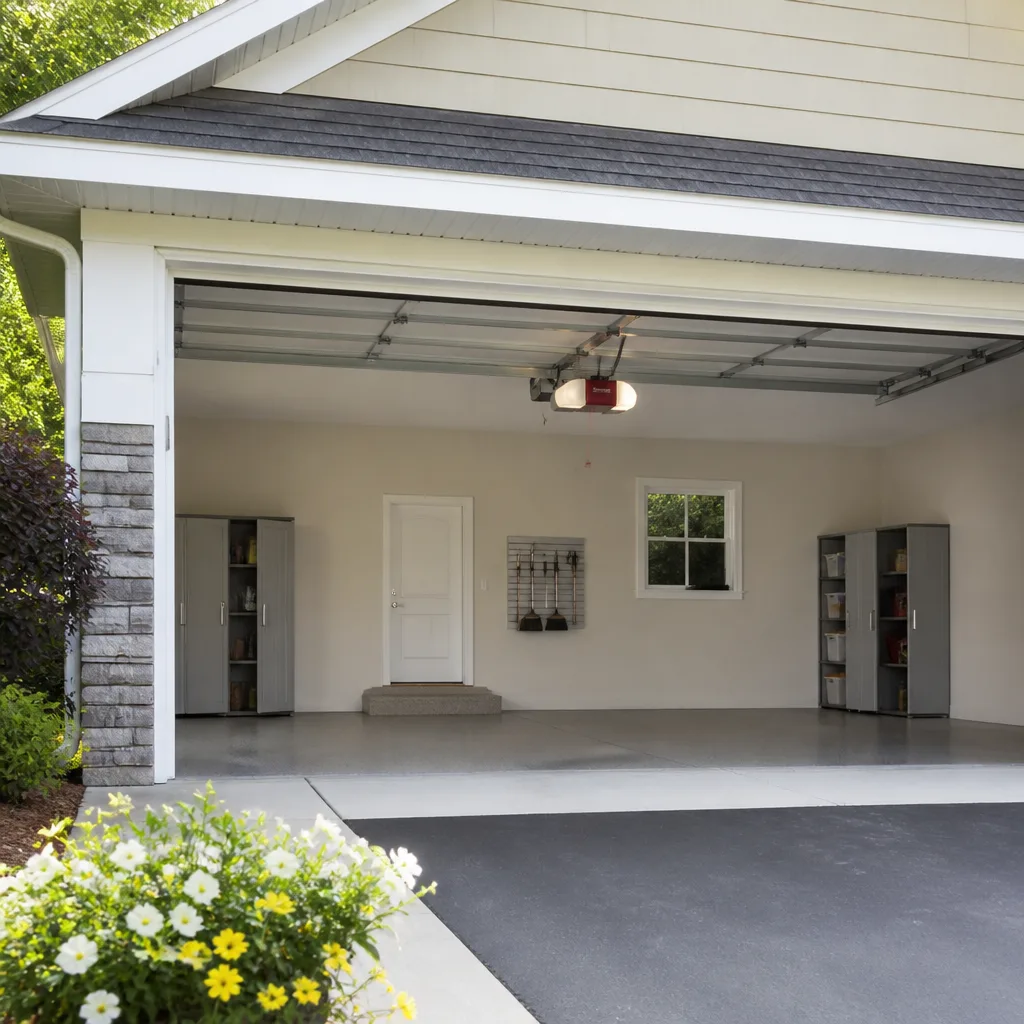 LiftMaster openers
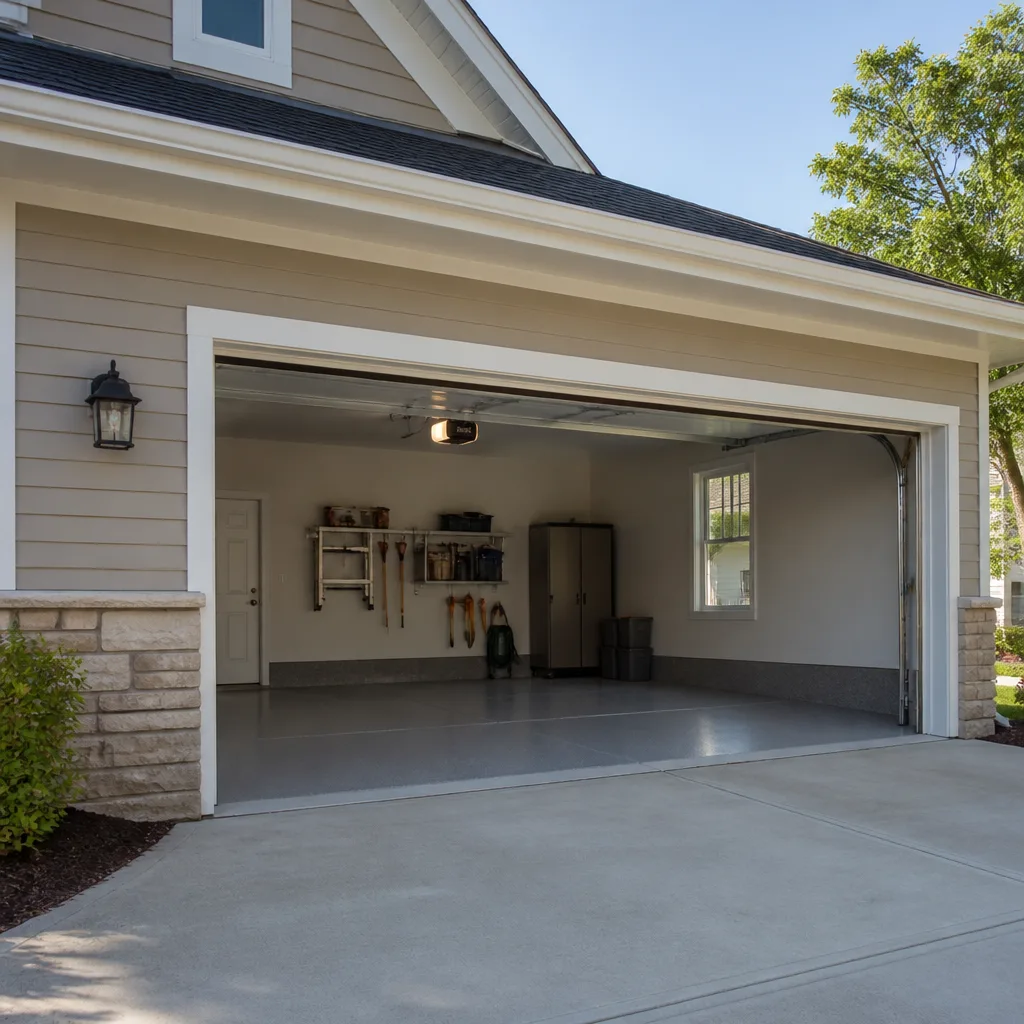 Chamberlain openers
Full 25-point door and opener safety check with every visit - springs, cables, rollers, tracks, and your LiftMaster or Chamberlain opener included
You get a price before we start. It does not change when the pro arrives.
Get your free estimateGarage Door Repair Maintenance Checklist for Naperville Homeowners
Most garage door maintenance checklists you’ll find online are written for no place in particular. They tell you to lubricate the rollers and test the balance, and they stop there. But a door in Naperville doesn’t fail the way a door in Phoenix fails. Here, road salt kicks up off the driveway all winter and eats the bottom rail. Cold snaps cycle the springs harder than warm weather ever will. Summer storms knock out power mid-cycle and confuse openers that were never re-calibrated. This checklist is built around those patterns, the ones we see on Naperville doors again and again. Follow it and you’re working on the real risks, not the theoretical ones.
Quick Answer
A Naperville garage door needs a monthly five-minute inspection plus a deeper tune-up twice a year, with the heaviest attention on the bottom rail, the springs, the weather seal, and the opener’s safety reversal. The single highest-value habit is testing the safety reversal every month, because a mis-calibrated opener is the most common cause of doors that reverse at random or fail to reverse when they should. Everything else on this list is about catching corrosion and wear before they turn into a repair.
Styles & brands we work with
- Raised-panel steel
- Carriage house
- Modern flush
- Full-view glass
- LiftMaster openers
- Chamberlain openers
Table of Contents
- Why Naperville Doors Fail Differently
- The Monthly Five-Minute Walkaround
- Salt, Sand, and Road Spray: The Corrosion Check
- Spring Cycle Count: Estimating Remaining Life
- Opener Sensitivity and the Safety Reversal Test
- Weather Seal and the Settling Garage Floor
- The Month-by-Month Task Schedule
- Common Mistakes to Avoid
- When to Call a Professional
Why Naperville Doors Fail Differently
Three forces do most of the damage to a garage door in Naperville: road salt, cold-weather cycling, and power surges from Midwest storms. Each one targets a different part of the door, and each one gives you warning signs long before something breaks.
Road salt is the sneaky one. When you pull a wet, salted car into the garage, that brine drips onto the concrete and splashes the bottom rail, the hinges, and the lower rollers. Over a winter it works into the seams where the bottom section meets its hardware. Come spring, you’ve got rust blooming on the parts that hold the door together. Homes with an exposed, sun-and-snow driveway that drains toward the garage get hit hardest.
Cold-weather cycling is a spring story. A torsion spring is a coil of steel under constant tension, and every open-and-close is one cycle. In Naperville, doors run more in winter than in summer because the garage is the main way in and out when it’s cold and the car is the warm option. Cold also makes steel more brittle, so a spring that’s near the end of its life is more likely to snap on a January morning than in July.
Power surges come with the storms. A close lightning strike or a grid hiccup can scramble an opener’s logic board or wipe its travel limits, which is why a door that worked fine yesterday suddenly stops halfway up or refuses to close. We work on LiftMaster, Chamberlain, Genie, and Craftsman openers regularly, and a big share of the “my opener is broken” calls after a storm turn out to be a re-calibration, not a dead unit.
None of this is meant to worry you. It’s meant to point your attention at the right parts. A generic checklist spreads your effort evenly. This one puts it where Naperville actually does the damage.
The Monthly Five-Minute Walkaround
Once a month, walk up to your closed door and spend five minutes on these six checks. It’s the cheapest maintenance you’ll ever do, and it catches most problems while they’re still small.
- Look at the whole door first. Stand back and check that the panels line up and the door sits square in the opening. A door that looks tilted is a sign of a cable, track, or roller problem that’s already underway.
- Run the door and listen. Open and close it once. Grinding, squealing, or a rhythmic thump points to worn rollers, dry hinges, or a track that’s out of alignment. A smooth door should sound like nothing much at all.
- Test the balance. With the door closed, pull the release handle to disconnect the opener, then lift the door by hand about halfway. It should stay put. If it drops or rises on its own, the springs are out of balance and need a technician.
- Check the safety reversal. More on this below, but do it monthly. Lay a scrap of wood or a rolled towel in the door’s path and close it. The door must reverse on contact. If it doesn’t, stop using the opener until it’s fixed.
- Eyeball the hardware. Look at the hinges, rollers, and bottom brackets for rust, cracks, or loose bolts. You’re not tightening anything under tension; you’re just noting what looks off.
- Look at the weather seal. Check the bottom rubber and the side and top seals for tears, hardening, or daylight showing through. A seal that’s given up lets in cold, water, and pests.
That’s it. Five minutes, once a month. The point isn’t to fix everything yourself, it’s to notice change early. A hinge that’s starting to rust this month is a hinge you replace cheaply next month, instead of a bottom section that rusts through by spring.
Salt, Sand, and Road Spray: The Corrosion Check
Corrosion on a Naperville garage door doesn’t happen evenly. It starts in predictable spots, and if you check those spots monthly through the winter, you’ll catch it before it spreads.
The bottom rail is the first casualty. It sits inches off the salted, wet concrete and takes the splash from every slushy tire that pulls in. Look along the very bottom edge of the door for bubbling paint, orange streaks, or flaking metal. On steel doors, especially older Clopay and Amarr models, that bottom section is where rust wins first. If you catch it as surface rust, you can clean and treat it. If it’s eaten into the seam, the section may need replacing.
Next are the hardware points: the hinges, the roller brackets, and the bolts that hold them. Salt spray settles into the gaps where metal meets metal. A hinge that’s rusting will eventually seize, and a seized hinge strains the rollers and the track. Wipe these down and hit them with a proper garage-door lubricant, not WD-40. A light coat that keeps moisture off the metal is what you want.
The bottom brackets and the lower rollers get the worst of it because they live closest to the floor. Keep them clean and look for pitting. Sand and grit that ride in on boots and tires also collect on the track, where they grind against the rollers. A quick wipe of the track channel with a rag, once a week in the slushy months, cuts roller wear noticeably.
One place homeowners forget: the inside of the bottom section, where the bottom bracket attaches. Salt water wicks in there and rusts from the inside out. Run a finger along the bottom of the door panel and feel for roughness or soft spots. If you find any, it’s worth a look from a technician before it becomes a bigger replacement.
This is the part of maintenance that matters most in Naperville and gets left out of most checklists. A door with clean, lubricated hardware in March runs quieter, strains less, and lasts longer than one that was ignored all winter. If corrosion has already gone past surface rust, that’s a job for a professional garage door repair visit rather than a DIY fix.
Spring Cycle Count: Estimating Remaining Life
You can’t eyeball a torsion spring and tell how much life it has left. A spring near failure usually looks exactly like a spring that’s fine. What you can do is estimate its remaining life from cycles, and that number is more useful than any visual inspection.
A torsion or extension spring has a rated cycle life. Every time the door goes up and down counts as one cycle. A standard residential spring is often rated for around ten thousand cycles; higher-cycle springs last longer. Rather than quote a number, do the math on your own usage:
- Count your daily cycles. Most Naperville homes run the door four to eight times a day: out in the morning, back at night, plus errands and kids’ activities. Call it six on average.
- Multiply out the year. Six cycles a day is roughly 2,200 a year. Over a decade, that’s well into the tens of thousands, which means most standard springs are on borrowed time by the time a door is ten years old.
- Watch for the warning signs. A door that’s getting harder to lift by hand, a bang from the garage when the door opens, or a gap between the coils are all signs the spring is near the end of its life.
Winter accelerates all of this. Cold steel is less forgiving, and a spring that’s within a few hundred cycles of failure is more likely to let go in February than in May. If your door is more than about eight years old and you’re running six or more cycles a day, treat the springs as a wear item to budget for, not a permanent part.
Here’s the safety part, and it’s not optional. Torsion springs store enormous energy. A spring that’s under tension and fails suddenly can cause serious injury, and a DIY spring swap is one of the most dangerous jobs a homeowner can attempt. Never try to adjust, loosen, or replace a spring yourself. That’s a job for a trained technician with the right tools, and it’s why we treat spring replacement as its own dedicated service rather than a side task. When a Naperville spring lets go, the door won’t open safely and the car is trapped inside. That’s an emergency call to make, not a project to tackle on a Saturday.
Opener Sensitivity and the Safety Reversal Test
The safety reversal is the most important test on this whole checklist, and it’s the one most homeowners skip. It’s also the leading cause of doors that reverse at random or fail to reverse when something’s in the way.
Every modern opener has two safety systems: the force or sensitivity setting, and the safety reversal. The force setting is how hard the opener pushes before it gives up and reverses. The reversal is what tells the door to go back up when it meets an obstacle. Over time, force settings drift, and a power surge can reset them without any warning.
Here’s the monthly test, and it takes one minute:
- Clear the path. Make sure nobody’s standing in the door’s path and the tracks are clean.
- Place an obstacle. Lay a piece of scrap wood or a rolled towel flat in the middle of the opening.
- Close the door with the opener. The door should contact the obstacle and reverse within a couple of seconds.
- Try it by hand too. With the door closing, press gently against it. A properly set door reverses with light resistance.
If the door doesn’t reverse, or reverses only after pushing hard, the force setting is too high. That’s a calibration adjustment on most openers, and it’s the fix far more often than a failed unit. Modern openers like LiftMaster and Chamberlain with MyQ, and Genie and Craftsman models with smart or Wi-Fi features, all have a force and travel setting you can adjust following the manual. If you’re not comfortable doing it, a technician can re-calibrate in a few minutes.
There’s a second reason to test this monthly: it’s the same test that tells you whether your opener is on its way out. A door that fails the reversal test even after you set the force properly is telling you the logic board or the travel limits are the problem. Catching that early means a straightforward garage door opener repair instead of a mid-winter breakdown.
Weather Seal and the Settling Garage Floor
Naperville garages sit on slabs, and slabs settle. When the concrete drops a fraction of an inch along one edge, the gap under the door stops being even. The bottom seal that fit perfectly the day it was installed starts letting in cold air and water on one side while it’s still tight on the other.
This is why a generic “check your weather seal” note doesn’t help much. The failure here is uneven, and you have to check it unevenly. Here’s how:
- Close the door and go inside in daylight. Look along the bottom edge for light coming through. If you see a bright line at one corner and none at the other, the seal or the floor is the problem.
- Feel for drafts in winter. A cold draft along the bottom means the seal has compressed, hardened, or pulled away. Rubber seals harden with age and stop flexing to meet the floor.
- Check the side and top seals too. These take the wind-driven rain and snow that comes with Naperville storms, and they tear at the corners first.
- Look for water staining on the floor. A dark line where meltwater runs in under the door tells you exactly where the gap is.
Replacing a bottom seal is one of the cheaper maintenance jobs on a garage door, and it pays for itself in a warmer garage and a drier floor. The trick is checking it after the floor settles, not just when the door is new. If the gap is more than an inch or the floor has heaved, a technician can recommend a threshold or an adjuster rather than just a new seal. A door that seals properly keeps out the cold that makes a Naperville winter feel longer, and it protects the bottom rail from the meltwater that drives corrosion.
Weather seals are also the first thing to check after a big storm. Wind-driven rain and ice can tear a seal loose without touching the door itself. A quick walkaround after a blow saves you a wet floor and a rusted bottom section.
The Month-by-Month Task Schedule
Most maintenance guides organize by season. That’s too coarse for a Naperville door, because the highest-impact tasks need to happen before winter, not after it starts. This schedule front-loads the important work into late summer and fall, then keeps a light monthly rhythm the rest of the year.
January through March
- Monthly five-minute walkaround, with extra attention to the bottom rail and hinges for salt corrosion.
- Wipe the track channel weekly during slushy weather to keep grit off the rollers.
- Test the safety reversal monthly. Cold weather is when a mis-set opener is most likely to act up.
- Listen for new noises. A spring or roller that’s failing is loudest in the cold.
April and May
- Full tune-up: lubricate hinges, rollers, and springs, and clean the tracks.
- Inspect the bottom rail and bottom bracket for winter rust. Treat surface rust and plan replacements for anything that’s pitted.
- Re-seat or replace the weather seal if it hardened over the winter.
- Test the balance and the safety reversal again after the tune-up.
June through August
- Monthly walkaround continues.
- After any storm with power surges, recheck the opener’s force and travel settings and test the reversal.
- This is the time to book scheduled work like a new door or a major repair, before the fall rush. Get a free measure and a written price from us for any garage door installation you’re considering.
September and October (the important ones)
- Deep tune-up before the cold arrives: full lubrication, spring inspection, balance test, and a thorough hardware check.
- Replace the weather seal now, not after the first freeze.
- Have the springs assessed by a technician if the door is older or high-use. A technician can measure coil wear and give you a realistic estimate of remaining life.
- Check the opener’s battery backup, if it has one, and test the reversal one more time.
November and December
- Monthly walkaround, with the salt checks back in force.
- Keep the bottom seal clean and watch for meltwater staining.
- If the opener is slow or the door hesitates in the cold, get it checked before it fails.
The pattern is simple: the heavy work happens in fall so the door is ready for winter, and the monthly five-minute check carries you the rest of the year. If you only do one thing, do the fall tune-up and the monthly reversal test. Those two habits prevent most of the emergency calls we get from Naperville homeowners.
Common Mistakes to Avoid
- Lubricating with the wrong product. WD-40 and general-purpose oils attract dust and gum up the tracks. Use a garage-door-specific lubricant on hinges, rollers, and springs, and keep the tracks themselves clean and dry.
- Skipping the safety reversal test. It’s the one-minute check that most homeowners never do, and it’s the leading cause of doors that reverse at random or crush a bicycle. Test it every month.
- Ignoring the bottom rail in winter. The rust that forms along the bottom edge from road salt is the hardest to reverse once it eats into the seam. Clean and treat it monthly through the salt months.
- Trying to replace or adjust springs yourself. A torsion spring under tension can cause serious injury. This is the one job on a garage door that should always go to a trained technician.
- Assuming a slow door means a dying opener. A door that’s hard to lift by hand is usually a spring or balance problem, not an opener problem. Diagnose the door before replacing the opener.
- Forgetting the opener after a storm. Power surges reset force and travel settings, which is why a door that worked fine yesterday acts up after a Midwest storm. Re-calibrate and test the reversal after any big outage.
- Putting off the fall tune-up. The best time to catch a failing spring and a worn seal is October. Waiting until the first cold snap means waiting in line with everyone else who did the same thing.
See the difference
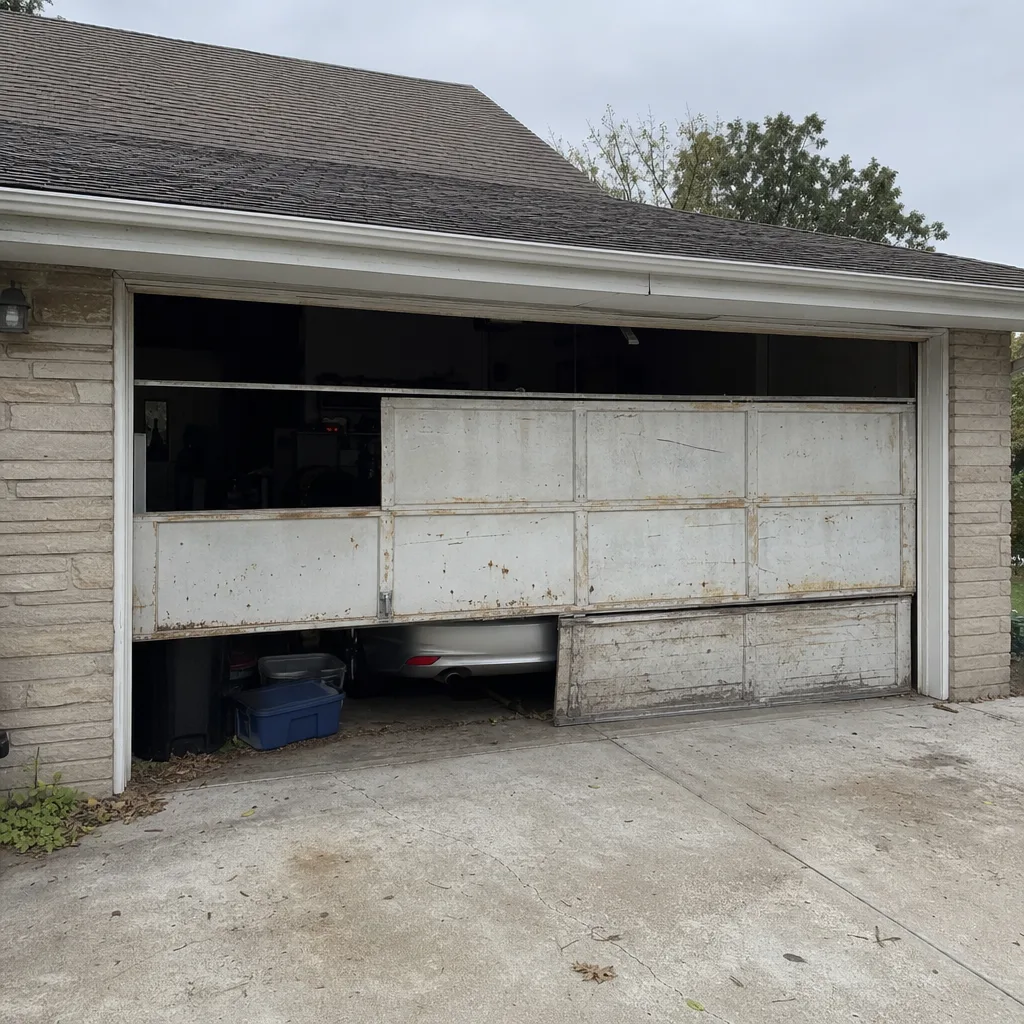 Before
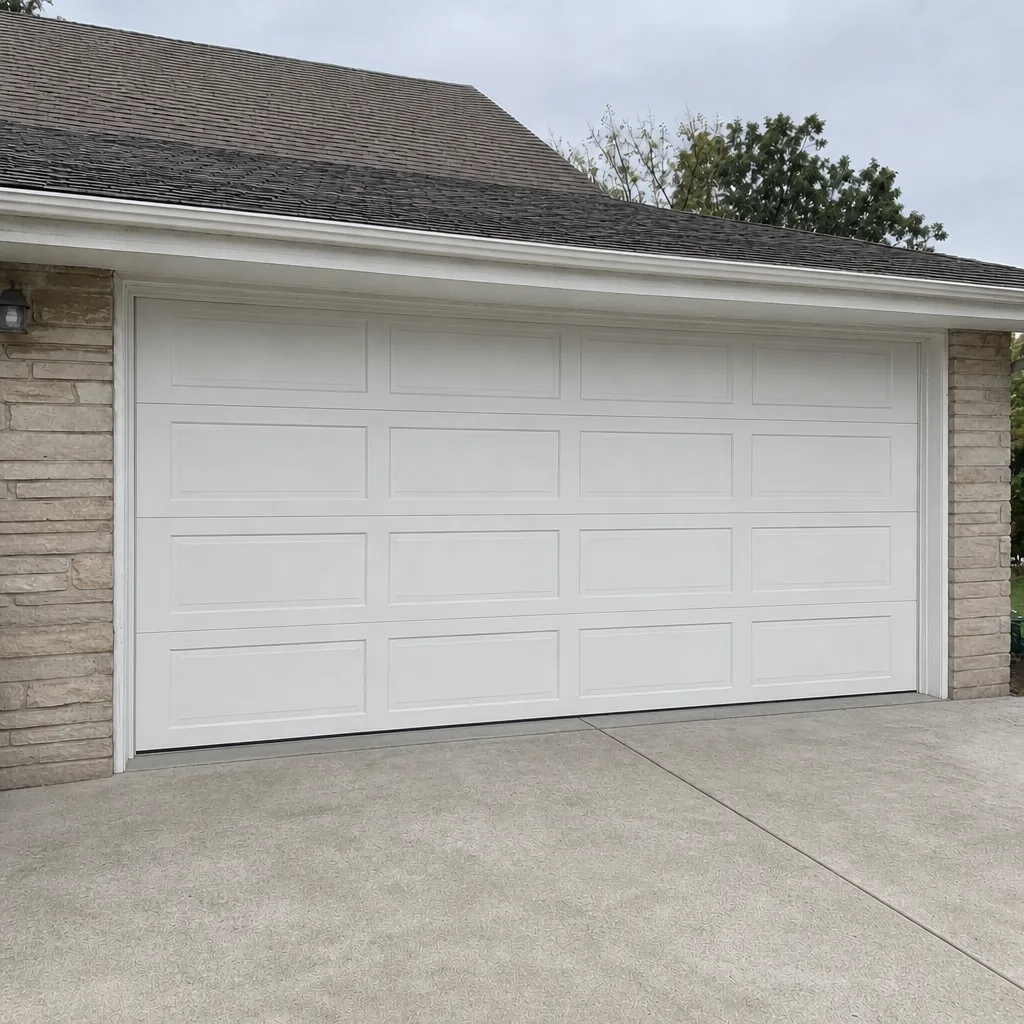 After
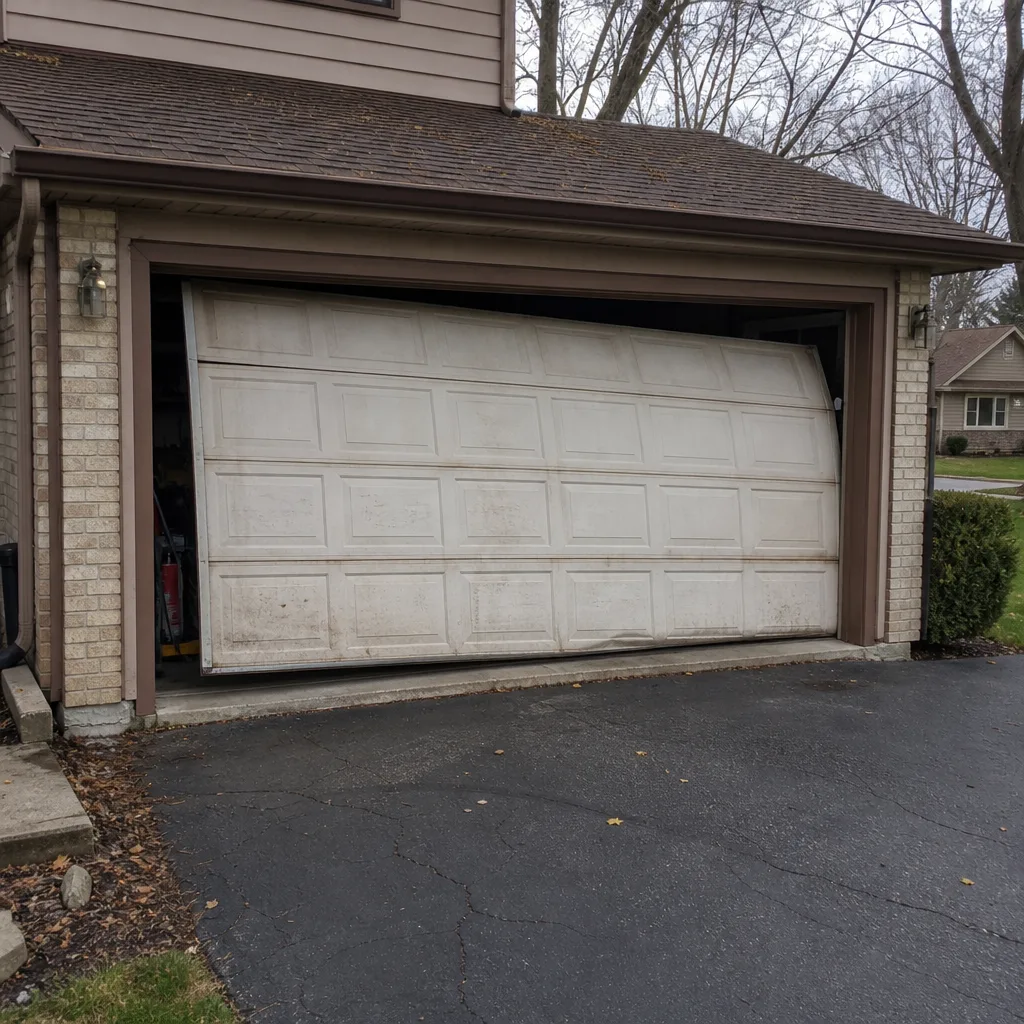 Before
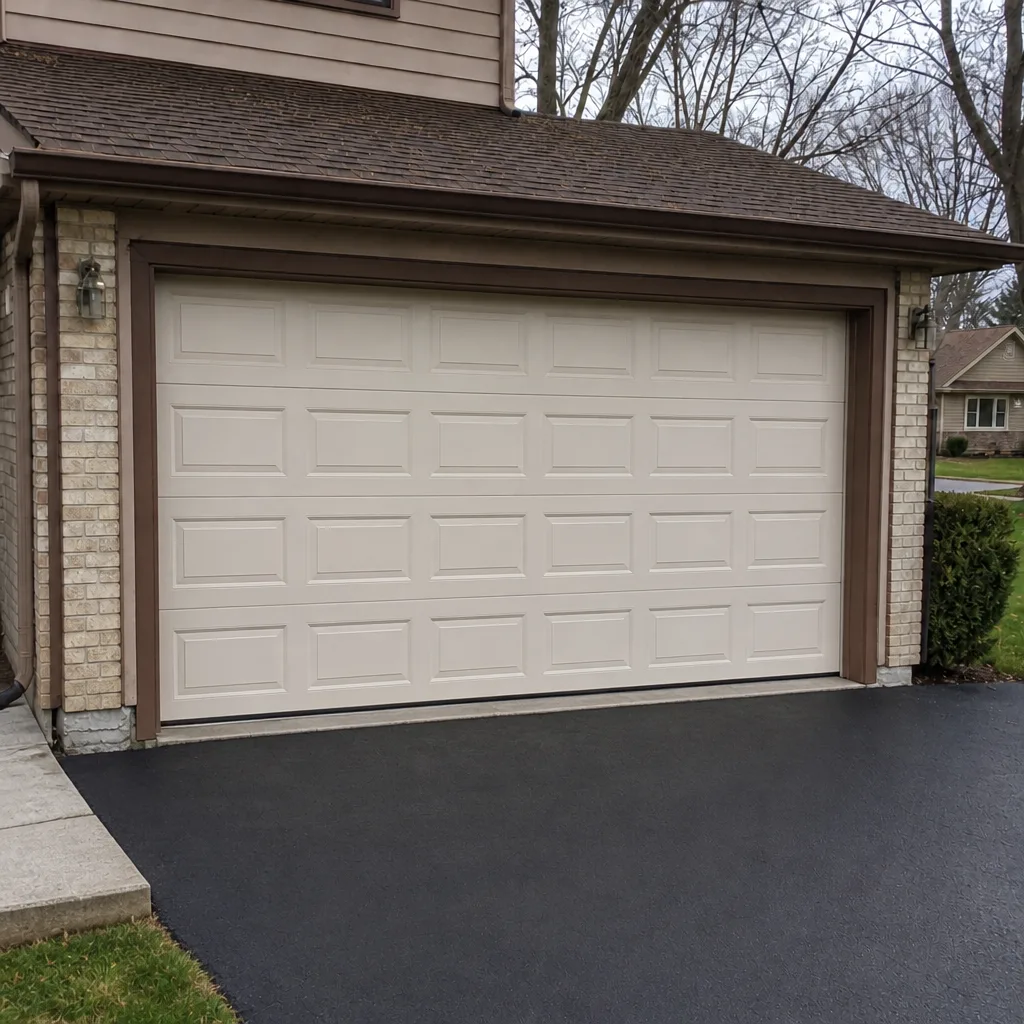 After
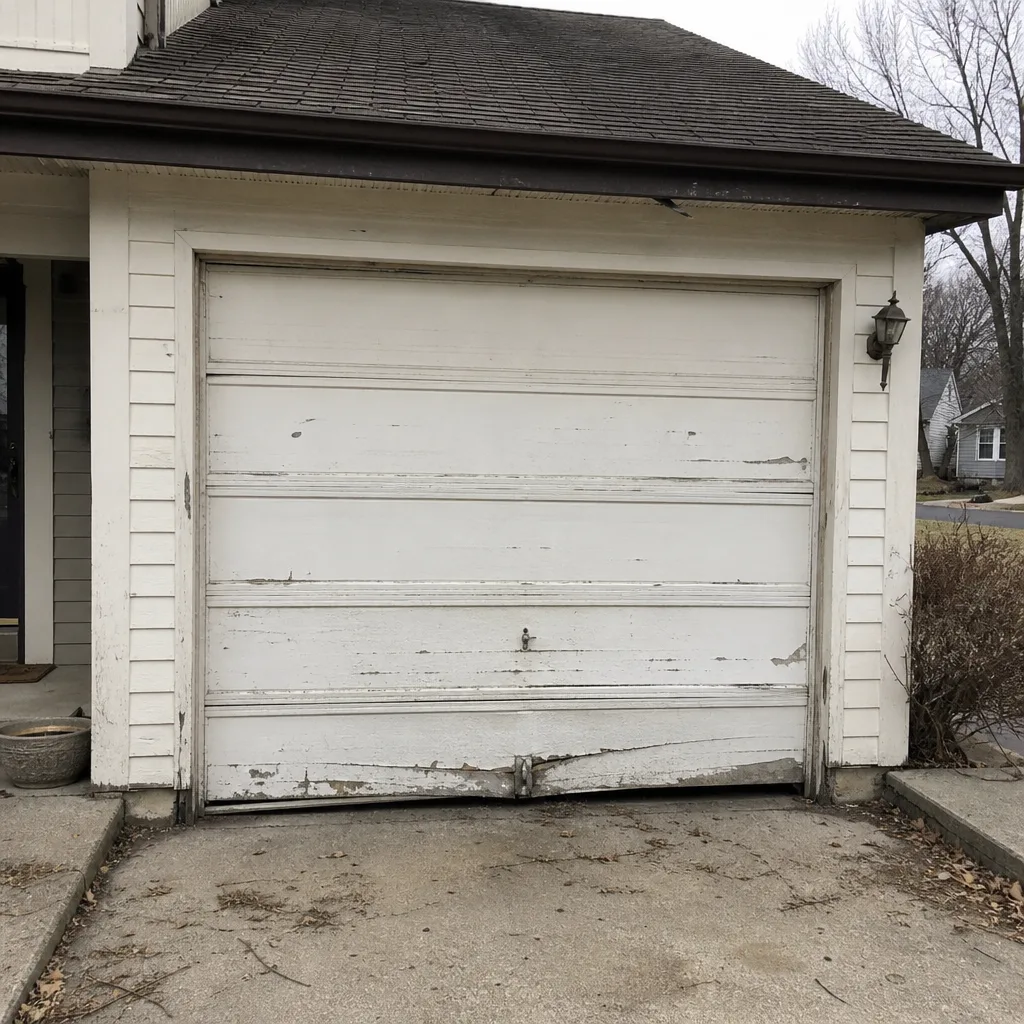 Before
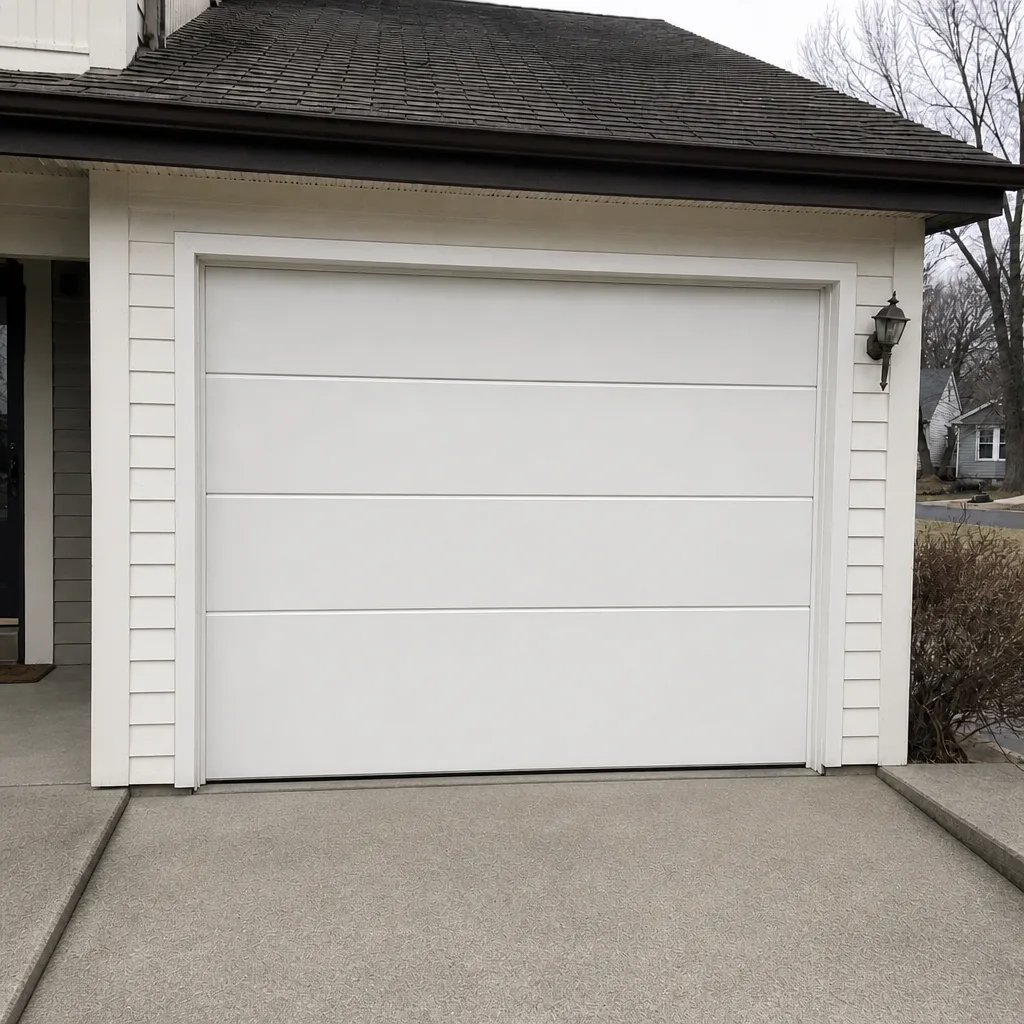 After
When to Call a Professional
Some jobs are DIY-friendly: wiping the tracks, lubricating hinges, replacing a weather seal. Others need a technician with the right tools and training. Call a professional when the springs are involved in any way, when the door is out of balance and won’t stay up on its own, when a cable is frayed or hanging, or when the door has come off its track. A door that won’t reverse on the safety test is also a call a technician should make, because diagnosing a failing opener is faster with the right equipment. And if a spring snaps, the door is stuck, or your car is trapped, that’s an emergency, and it doesn’t wait for a convenient time. We answer 24/7, with fast dispatch from 7am to 7pm, Sunday through Friday. Naperville Garage Door Repair Co offers free estimates in Naperville. Call (833) 513-8805 for a free estimate.
Frequently Asked Questions
Once a month for the five-minute walkaround and twice a year for a full tune-up, with the most important tune-up in early fall before the cold arrives. Naperville’s road salt and cold-weather cycling put more wear on a door than a milder climate would, so the fall tune-up and the monthly reversal test matter more here than a generic schedule would suggest. Call (833) 513-8805 for a free estimate if you’d rather have a technician do the tune-up.
When the door gets hard to lift by hand, when you hear a loud bang from the garage, or when coils show a visible gap, the springs are at or near the end of their life. Estimate remaining life by cycles rather than looks: a door that runs six times a day is well past ten thousand cycles in five years, and most standard springs are rated in that range. Cold weather is when they fail most often in Naperville. Never adjust or replace a spring yourself, because they’re under extreme tension. Call (833) 513-8805 for a free estimate.
A door that reverses at random is usually an opener force setting that’s too high or a safety reversal system that’s out of calibration, often after a power surge. Test it monthly by placing an obstacle in the door’s path; if it doesn’t reverse on contact, the force setting needs adjusting. This is the single most common opener issue we see on Naperville doors after a storm. Call (833) 513-8805 for a free estimate on a re-calibration.
Yes, for the hinges and rollers. Use a garage-door-specific lubricant, not WD-40, and keep the tracks clean and dry rather than greasy. What you should not do yourself is anything involving the springs, cables, or bottom brackets, because those are under tension and can cause serious injury. If the door runs loudly after you’ve lubricated the hinges, that’s a sign of a deeper problem worth a technician’s look. Call (833) 513-8805 for a free estimate.
Because the concrete slab has settled unevenly, which is common on Naperville slab-on-grade garages, so the gap under the door isn’t even across its width. Close the door and look for daylight along the bottom edge; a bright line at one corner tells you where the seal has failed. Replacing the bottom seal usually fixes it, though a floor that’s heaved more than an inch may need a threshold. Call (833) 513-8805 for a free estimate.
First, pull the manual release handle to disconnect the opener and try lifting the door by hand. If it lifts and stays, the problem is the opener, which is usually a re-calibration or a repair. If it won’t lift or feels heavy, the spring or a cable has failed, and you should stop and call a professional rather than forcing it. A door that’s stuck with the car inside is an emergency, and we answer 24/7. Call (833) 513-8805 for a free estimate.
The Bottom Line
A garage door in Naperville doesn’t fail at random. It fails at the bottom rail, where road salt eats the metal. It fails at the springs, which cold weather pushes past their cycle limit. And it fails at the opener, which storms knock out of calibration. The checklist that matters is the one built around those three failure points: monthly salt-and-hardware checks through winter, a proper spring assessment and a deep fall tune-up before the cold, and a safety reversal test every single month. Do the monthly five-minute walkaround, front-load the important work into early fall, and leave the springs to a technician. That rhythm keeps the door quiet, safe, and working through the worst Naperville weather. When you’d rather have a professional handle the tune-up or you’ve got a repair that can’t wait, we’re one call away.
Naperville Garage Door Repair Co handles repair, opener service, spring replacement, and new installation for every major brand, and we work on whatever’s already on your home. Call (833) 513-8805 for a free estimate. We answer 24/7. Fast dispatch from 7am to 7pm, Sunday through Friday. You can also start at Naperville Garage Door Repair Co to see everything we cover.
Written by the team at Naperville Garage Door Repair Co.