
Last updated November 23, 2026
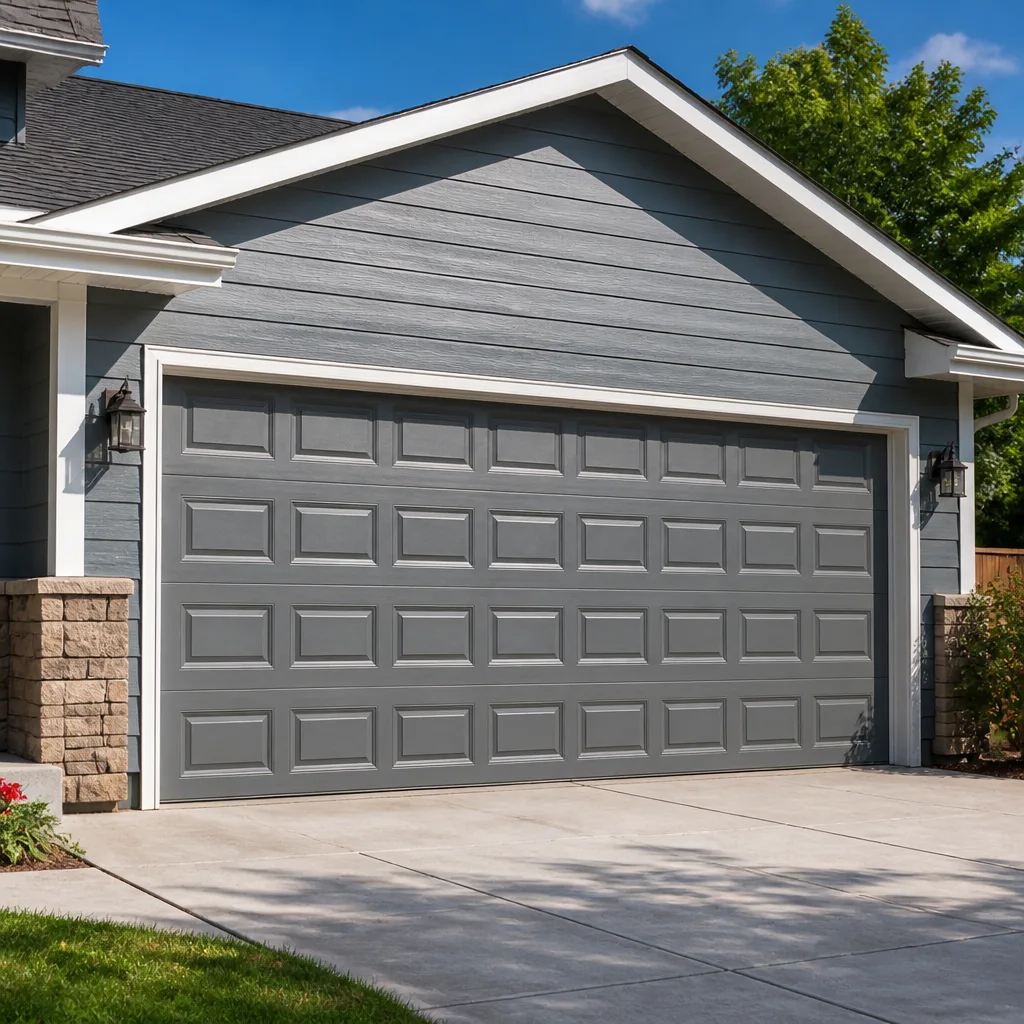 Raised-panel steel
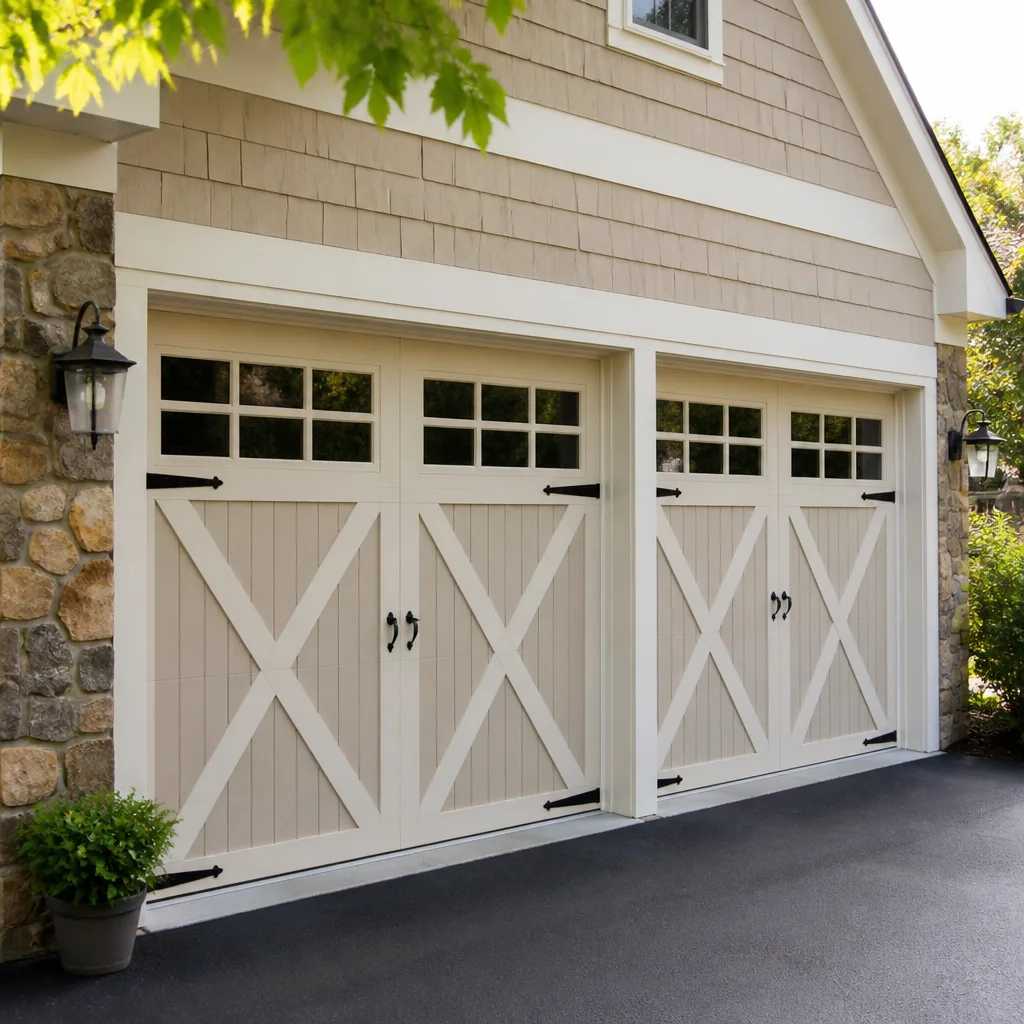 Carriage house
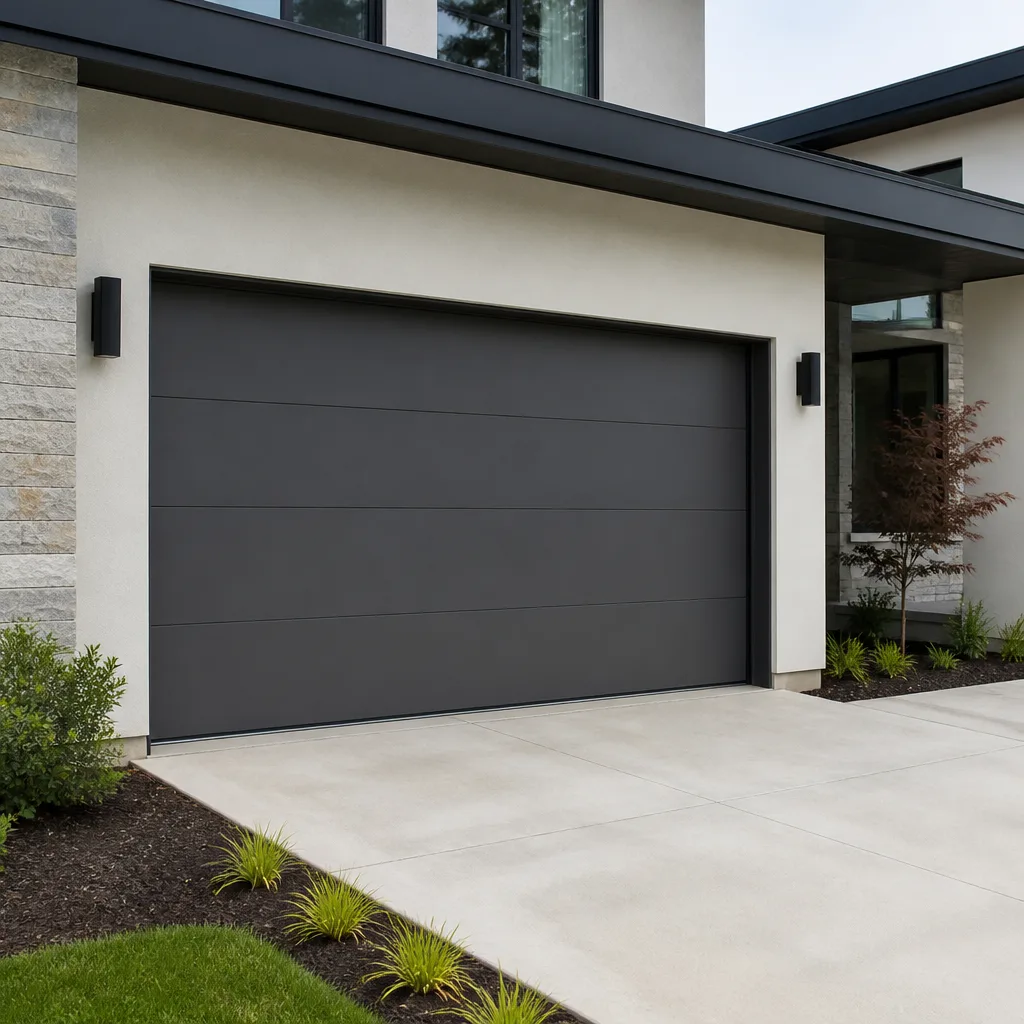 Modern flush
 Full-view glass
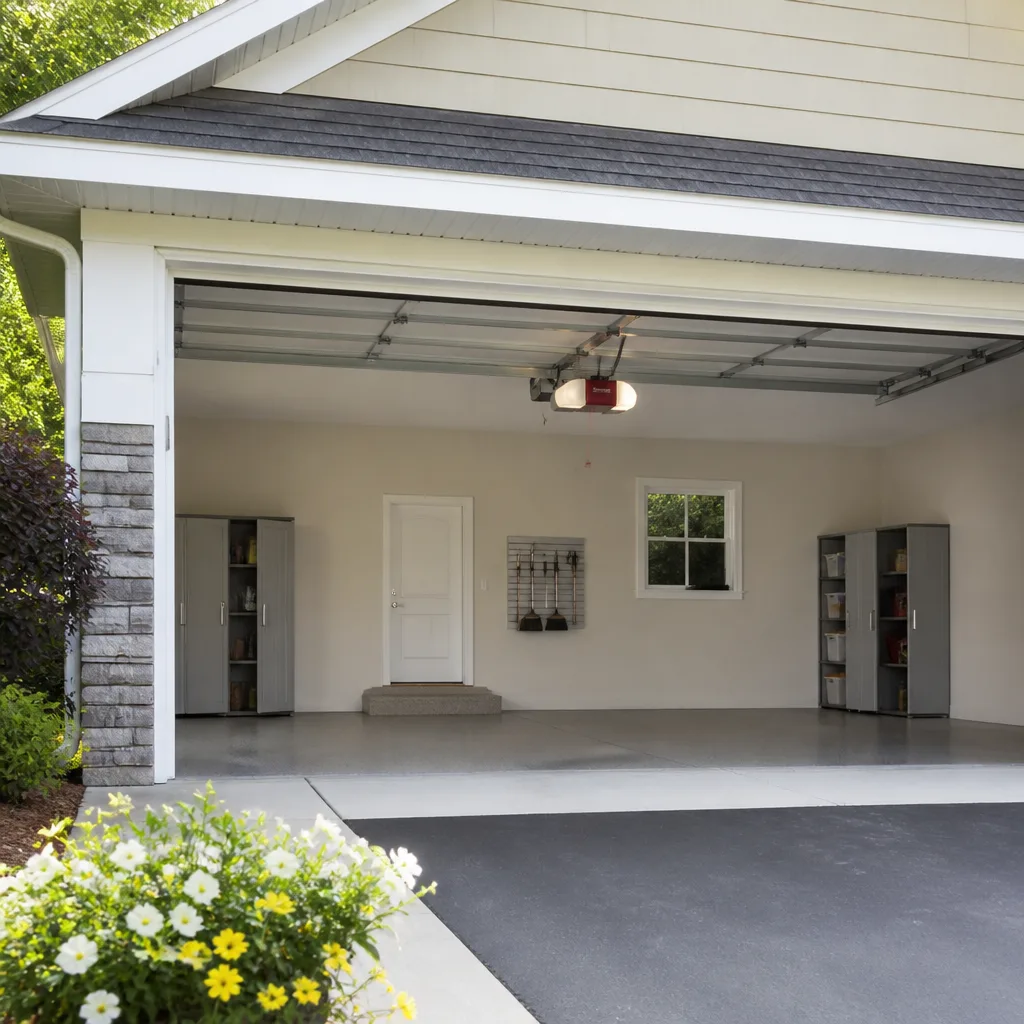 LiftMaster openers
 Chamberlain openers
Full 25-point door and opener safety check with every visit - springs, cables, rollers, tracks, and your LiftMaster or Chamberlain opener included
You get a price before we start. It does not change when the pro arrives.
Get your free estimateGarage Door Repair Maintenance Schedule: What to Do and When
The industry standard “10,000-cycle” torsion spring rating sounds reassuring, until you do the arithmetic. A typical Naperville household runs a garage door open and closed three to four times a day, which puts most standard springs somewhere around three to four years of life, not the decade people assume. Then the spring snaps on a cold February morning, and suddenly the maintenance schedule matters. The trouble is, “annual garage door tune-up” advice treats every part as if it ages at the same rate, which wastes money on some components while missing failures on others. This guide replaces the generic checklist with a component-by-component maintenance clock: what each part is rated for, how to figure out where your Naperville door sits on that clock right now, and what to actually do (and not do) when. Your garage door is your home’s largest moving part, and it wears like a machine, not like a piece of trim.
Quick Answer
Schedule garage door maintenance by part life, not by a single yearly visit. Standard torsion springs last roughly 10,000 to 20,000 cycles (typically 3 to 7 years for a typical household), rollers wear at 10,000 to 15,000 cycles, and cables should be inspected for fraying and corrosion at least twice a year. On top of that component clock, do a quick balance-safety-sensor check every month, lubricate springs, rollers, and hinges twice a year (before winter and before summer), and book a professional safety inspection every 12 to 18 months. Following that schedule instead of a blind annual tune-up catches developing problems earlier and avoids paying for service your door doesn’t need yet.
Styles & brands we work with
- Raised-panel steel
- Carriage house
- Modern flush
- Full-view glass
- LiftMaster openers
- Chamberlain openers
Table of Contents
- The Component Clock: What Wears Out and When
- How to Calculate Where Your Door Sits Right Now
- The Two-Minute Monthly Self-Check
- Lubrication, Done Correctly
- Naperville Seasonal Maintenance Tasks
- What a Professional Maintenance Visit Covers
- Building a Maintenance Log
- Common Mistakes to Avoid
The Component Clock: What Wears Out and When
Garage doors don’t wear out uniformly. The springs carry the weight, the rollers take the friction, the cables hold everything together, and the opener handles the push. Each has its own lifespan measured in cycles, and cycle count is the only honest way to schedule service. One cycle equals one full open plus one full close.
Here’s the rough rating for each component, based on what we see across the doors and openers we service, including Clopay, Amarr, and Wayne Dalton doors and Genie openers:
- Standard torsion springs: rated around 10,000 cycles. At three cycles a day, that’s roughly three to four years. Higher-cycle springs exist and last considerably longer, but you need to confirm what’s actually on your door before assuming a lifespan.
- Rollers: nylon rollers typically last 10,000 to 15,000 cycles. Steel rollers usually fail sooner, often developing flat spots and rattling long before they seize. If your door sounds like a shopping cart, the rollers are telling you something.
- Extension springs: comparable cycle ratings to torsion, but they stretch and fatigue differently and tend to lose tension gradually rather than failing all at once.
- Cables: no fixed cycle rating, because lifespan depends on gauge, tension, and corrosion. Cables should be inspected for fraying, kinking, and rust about every six months, and replaced at the first sign of strand breakage. A cable is under serious tension; never attempt to adjust or remove one.
- Hinges and bearings: steel hinges usually outlast three sets of rollers if kept lubricated. Dry hinges wear fast.
- The opener: motors vary widely by brand and drive type, whether a chain-drive Craftsman or a belt-drive LiftMaster. The opener itself often outlives the springs and rollers around it.
This is why one number doesn’t fit the whole door. Nylon rollers can need replacing while the springs still have years of life left, and springs can snap on a cosmetic track that’s still perfectly sound.
How to Calculate Where Your Door Sits Right Now
You can’t schedule maintenance without knowing your door’s current position on the clock. You don’t need a service log to start; you need a rough cycle count and the install date. Here’s how to work it out.
- Count your daily cycles. Count each open-and-close as one cycle. A door used mostly for the car coming and going, plus a couple of trips to the mailbox, is often three to four cycles a day. A garage used all day for kids, deliveries, and errands might be six or more.
- Multiply by days since installation. If your door was installed four years ago and runs roughly four cycles a day, that’s about 5,800 cycles. If it was installed a decade ago and runs three a day, you’re past 10,000 and the springs are already beyond their rated life.
- Confirm the spring rating. Check the spring type marked on the door’s paperwork or have a technician identify it. A 10,000-cycle spring and a 20,000-cycle spring look alike from the driveway.
- Compare your numbers against each component’s rating. If you’re within 20 percent of a component’s rating, schedule an inspection. If you’re past it, plan replacement before failure, not after.
If you’re not sure how old the door is or what spring sits on it, that’s exactly the kind of walkthrough our garage door repair specialists do as part of a maintenance inspection. It takes a few minutes on site and gives you a documented starting point.
The Two-Minute Monthly Self-Check
A short monthly check catches most developing problems before they become repair calls. None of these steps require tools, and none of them involve touching springs or cables.
- Balance test. With the door closed, pull the opener release handle (or use the wall switch if you’re not sure how the release works) and lift the door manually to about waist height. Let go. A balanced door should hold roughly in place. One that drops or rises on its own has a spring or balance problem worth a professional look.
- Reversal force test. With the door open, place a small obstacle (a folded towel or a piece of scrap cardboard) under the door path, then close the door. The door should stop and reverse when it meets the object. If it presses down, the opener needs attention.
- Eye-sensor alignment. Check that the two sensors near the floor point at each other and the indicator lights are solid, not blinking. Break the beam with your hand; the door should refuse to close. Wipe the lenses if they look dusty or spider-webbed.
These three checks catch most of the developing problems we see, from failing opener force settings to a misaligned sensor that makes the door reverse on its own. If any of them fail, that’s a call-worthy issue rather than something to put off. Our garage door opener repair team handles sensor alignment and force setting issues, and LiftMaster, Chamberlain, Genie, and Craftsman openers are all in our day-to-day work.
Lubrication, Done Correctly
Lubrication is the one maintenance task homeowners most often get wrong. The wrong product on the wrong part is worse than no lubrication at all. Here’s exactly what goes where.
- Springs (torsion and extension): a light coat of white lithium grease. Springs need lubrication to prevent corrosion and reduce friction where they move. Never attempt to lubricate a spring while it’s under tension; if a spring looks worn or is already failing, that’s a professional stop.
- Rollers and hinges: a silicone-based spray. Silicone doesn’t attract dust or gum up the way heavier grease does, and rollers need a product that won’t collect grit and accelerate wear. Apply at each hinge pivot and at each roller spindle.
- Track: nothing. The vertical and horizontal tracks that the rollers ride in should stay dry and clean. Lubricating the tracks attracts dirt and lets rollers slide rather than roll, and a roller that slides wears flat. Wipe the track with a dry cloth if you see buildup.
- Opener drive chain or screw: follow the opener manufacturer’s recommendation. Genie and LiftMaster belt-drive openers, for instance, generally don’t need lubrication at all.
Do this twice a year, and time one of those sessions to late fall. That’s the lube job that matters most in Naperville’s climate, which brings us to the next section.
Naperville Seasonal Maintenance Tasks
Naperville’s climate puts real demands on a garage door across a year. Subfreezing winters, summer humidity, and aggressive temperature swings all affect the moving parts, the weatherstripping, and the tracks. Here’s how the maintenance clock changes season by season.
Fall: pre-winter prep
- Inspect and replace the bottom weather seal and the side and top seals. Cold air and snowmelt work their way past cracked seals and into the garage, and a stiff seal can crack clean through after a hard freeze. Also check the door’s threshold.
- Lubricate springs, hinges, and rollers before the first deep frost. Cold thickens and stiffens grease; fresh product going into winter runs better.
- Test the reversal force setting. Cold weather can change how a door travels, and a door that needs more force to close is a potential safety issue.
- Test the balance. A door struggling to lift a load on a cold day may be closer to spring failure than it feels.
Winter: de-icing risks
Snow and ice collect at the threshold and along the bottom seal. Don’t chop ice off the bottom of the door or the track with a shovel or pry bar; you can bend the track, tear the seal, or damage the bottom section. Use a plastic scraper and a de-icer that’s gentle on rubber and seals. And don’t leave ice bonded to the bottom weather seal; lift it gently when the door is closed. If the door freezes shut, don’t force it open with the opener, which strains the spring and the opener motor at once.
Spring and summer: heat expansion checks
- Check the aluminum tracks for expansion-related binding. Warm weather can make aluminum tracks expand slightly, and a track that’s drifted out of alignment will cause rollers to bind or rub.
- Look for heat-related sag or warping in the door panels themselves, especially if the door sits in direct sun through the afternoon.
- Check the seals again for UV cracking after a summer of sun exposure.
- Re-check the eye sensors for alignment, since sun glare can trip the sensor and cause the opener to reverse.
Naperville residents in older neighborhoods see these issues with particular regularity because so many of those doors have been in place a while, and the components on them have seen enough seasons to show predictable wear. Getting ahead of the winter task list is more valuable than any single repair.
What a Professional Maintenance Visit Covers
A professional maintenance visit is more than a lubricate-and-close. A good one checks the parts homeowners shouldn’t touch, and it documents what it finds so the next visit starts from data rather than guesses. Here’s what we check on a typical visit.
- Spring condition and tension: inspect for corrosion, stretched coils, and signs of fatigue. If a spring is within striking distance of its rated life, we say so now rather than waiting for it to snap.
- Cables: inspect for fraying, rust, and loose fittings. Cables under tension are the second-most dangerous component after springs, and we never let a worn one keep running.
- Rollers: check for flat spots, bearing noise, and looseness. Rollers are a frequent cost item, and replacing them in a scheduled visit is cheaper than a repair call.
- Opener operation: check the force setting, travel limits, and safety reversal. Belt-drive, chain-drive, and smart openers each have specific settings worth confirming.
- Track alignment and hinges: inspect for binding, loose hardware, and bent or misaligned track.
- Weather seals: inspect for cracking and lift.
- Full balance and safety-reversal test: the same test you’d do monthly, but done by someone who knows whether the readings are normal.
A good maintenance visit also gives you a written record for the door, which brings us to the last task: keeping the log.
Building a Maintenance Log
The single most useful thing you can do for a garage door is keep a simple log. The work order for the original install is your starting point, and it contains the door model, the spring type, the opener model, and the install date. From that, you can figure out where the door currently sits and roughly when each component is due. Here’s what to record.
- Install or replacement date for the door, opener, springs, and any cables or rollers you’ve replaced.
- Component data: spring type (torsion vs. extension) and rated cycle count, roller type (nylon vs. steel), opener brand and drive type.
- Every service visit: date, what was inspected, what was replaced, and any recommended items.
- Self-check results: note each monthly check and any failures. A balance or sensor issue that comes back repeatedly before a scheduled visit is a signal, not a fluke.
- Weather or seasonal events: heavy storms that might have stressed the door, prolonged freeze, or a summer heat wave that caused a track to expand.
With install date and cycle rating in hand, a log lets you schedule the spring replacement before it fails, rather than reacting after. That’s a difference between a scheduled repair and a door that won’t open when you need it. If the paperwork is lost, a technician can identify the components on the door and help you build the log from scratch. When someone is ready to move on from a tired door rather than keep repairing it, we also handle garage door installation and can start the log fresh at the install date.
Common Mistakes to Avoid
- Treating the annual tune-up as the whole schedule. An annual visit doesn’t align with component ratings. A door might need new rollers at year four, springs at year six, and a cable inspection every six months. A single visit can miss failures between visits.
- Lubricating the tracks. This is the most common lubrication error we see. Rollers should roll; oil on the track makes them slide and wear flat. Keep the tracks dry and clean instead.
- Using the wrong product on springs. Applying grease or chain oil to springs does more harm than good. White lithium grease is the product; anything that collects grit or oversprays onto the door is the wrong tool.
- Forcing a frozen door. In a Naperville cold snap, a door can freeze to the threshold. Running the opener to break it free strains the spring, the opener motor, and the bottom section at once. Free it gently instead.
- Ignoring a warning noise. A door that starts rattling, grinding, or popping is telling you a roller, hinge, or bearing is failing. Waiting until it stops moving turns a cheap replacement into an emergency.
- Skipping the balance test because the door still opens. A door that opens but isn’t balanced is running its spring and opener harder than they should be, and that shortens their life. The test takes seconds.
- Replacing the opener when the door itself needs service. A noisy, slow, or reversing door is often a door problem (roller, spring, or track) that shows up at the opener. Upgrading the opener won’t fix a worn door.
See the difference
 Before
 After
 Before
 After
 Before
 After
When to Call a Professional
Some tasks belong to a schedule, and some belong to a call. Call a professional when a spring has snapped or looks bent, when a cable is frayed or loose, when the door doesn’t balance on the monthly test, when an opener reverses on its own or refuses to move, when the track is bent or out of line, or when a door won’t open and the house is effectively sealed. Springs and cables are under extreme tension and can cause serious injury if handled without the right tools and training; that is not a homeowner maintenance task under any circumstances. Emergency garage door service is available for a door that’s failed and left the home compromised or the car trapped. Naperville Garage Door Repair Co offers free estimates in Naperville; call (833) 513-8805. We answer 24/7. Fast dispatch from 7am to 7pm, Sunday through Friday. The price is quoted and agreed before any work starts, and you get a written estimate up front.
Frequently Asked Questions
Schedule a professional inspection every 12 to 18 months, plus a twice-yearly lubrication and a monthly self-check. Component life in Naperville is driven by cycle count, not calendar date, so check the door’s install date and spring rating to know when springs and rollers are actually due. For a door in a household that runs it heavily, the interval should be on the shorter end.
You can check the balance from the outside safely, but don’t touch the spring, the torsion bar, or the cables. The proper test is the balance test: close the door, release the opener, and lift it manually to about waist height. If it drops or rises on its own, the spring is failing and needs a professional. Call (833) 513-8805 for a free estimate if the test fails.
Use white lithium grease on springs, silicone spray on rollers and hinges, and nothing on the tracks. Leave the opener chain alone unless the manufacturer’s manual calls for lubricant. Never lubricate the tracks; it makes rollers slide and wear out faster. Keep the tracks clean and dry and wipe off visible buildup.
Standard torsion springs are rated around 10,000 cycles, which is typically three to four years for the average Naperville household, and higher-cycle springs last longer. Cold winters and temperature swings add stress, so a door that’s close to its rating should be planned for replacement before it fails. You can get a free estimate by calling (833) 513-8805.
No. We inspect, then quote, then agree the price with you before any work starts. If you approve the work, the written estimate is the price, regardless of what the door looks like once we’re on site. Call (833) 513-8805 for a free estimate.
The local technician who comes to your home is licensed and insured as their state requires, and has been vetted before being sent out. We work on all major brands, including Genie, Clopay, Amarr, and Wayne Dalton doors and openers, so you don’t have to find a second company for a different brand. Call (833) 513-8805 for a free estimate.
The Bottom Line
Garage door maintenance works best as a component clock, not a single annual checklist. Standard springs rate around 10,000 cycles and often need replacement at three to four years for a typical household, rollers wear at 10,000 to 15,000 cycles, and cables are inspected twice a year. Layer on a monthly balance-and-sensor check, twice-yearly lubrication with the correct product on the correct part, and Naperville seasonal tasks before winter and after summer heat. Keep the log from install forward. That’s how you schedule service before failure, not after. If you’d rather have the numbers worked out for you, Naperville Garage Door Repair Co offers free estimates and a clear written price before any work starts.
Call (833) 513-8805 for a free estimate. We answer 24/7. Fast dispatch from 7am to 7pm, Sunday through Friday. Our technicians have up to 13 years of experience, and we service LiftMaster, Chamberlain, Genie, Clopay, Amarr, Wayne Dalton, Craftsman, and Raynor doors and openers. Spring repair, opener repair, and full installation are all in our day-to-day work, so one call covers whatever the maintenance check turns up.
Written by the team at Naperville Garage Door Repair Co.