
Last updated November 23, 2026
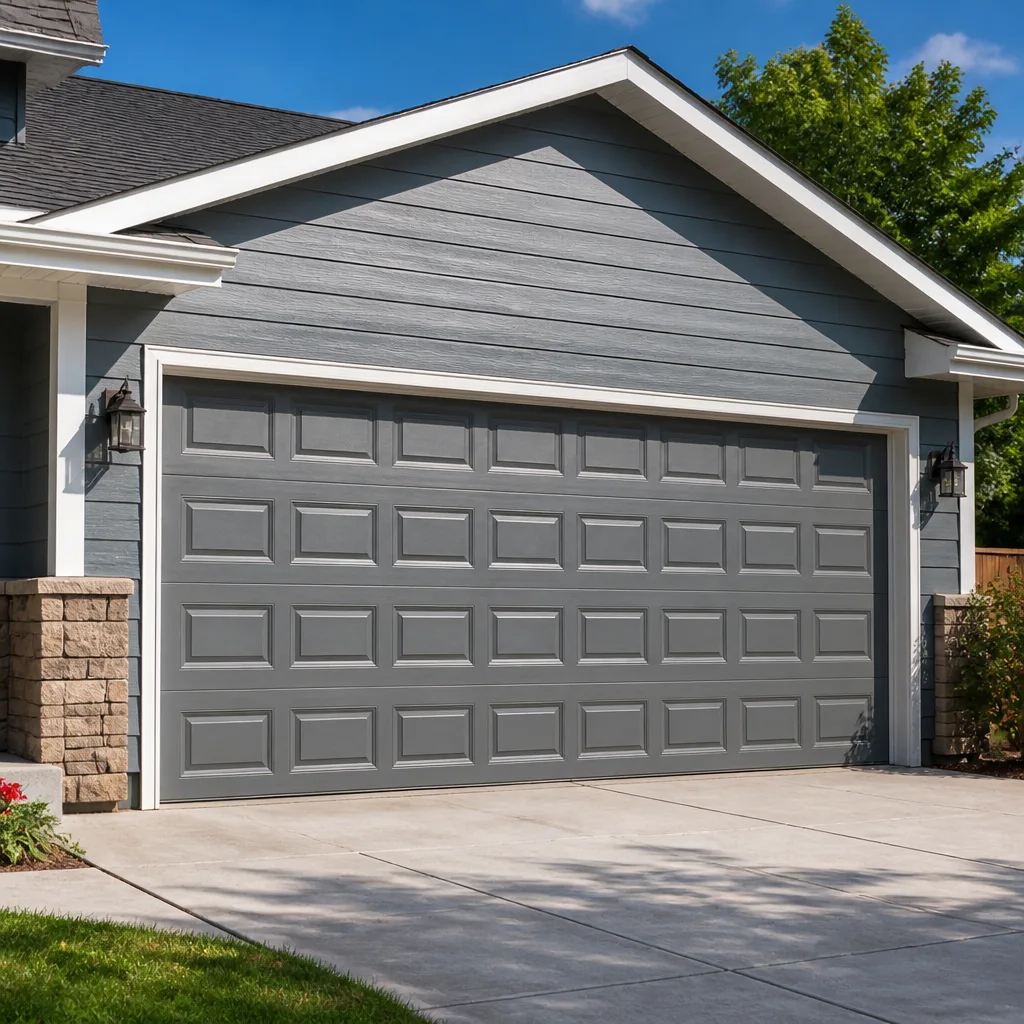 Raised-panel steel
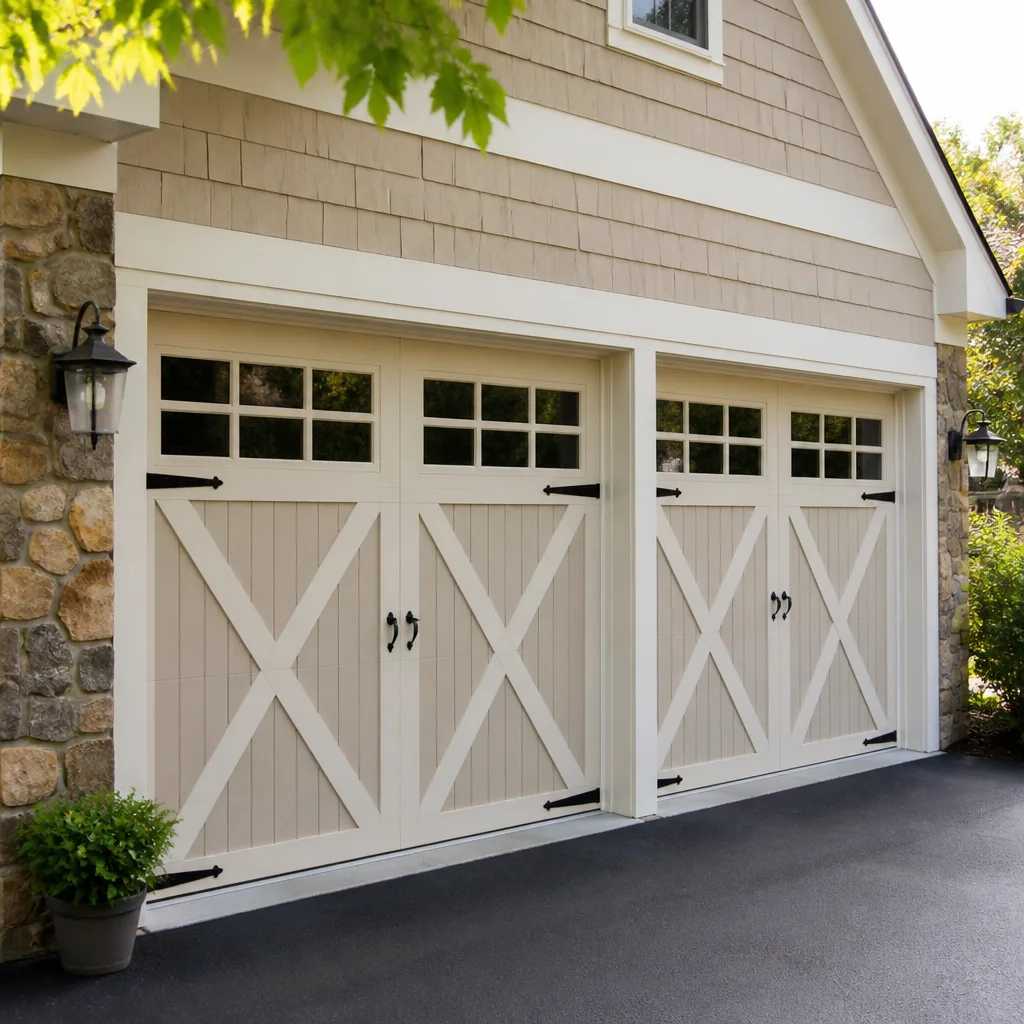 Carriage house
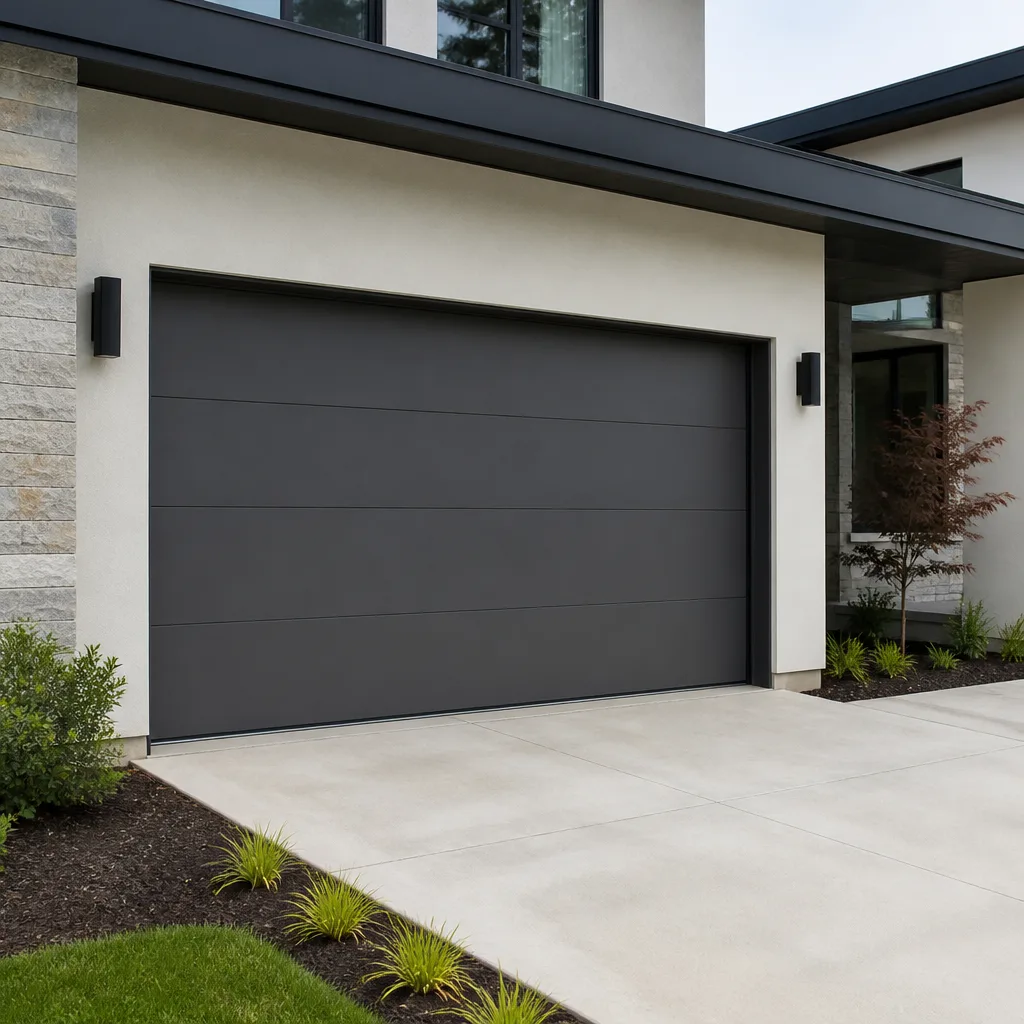 Modern flush
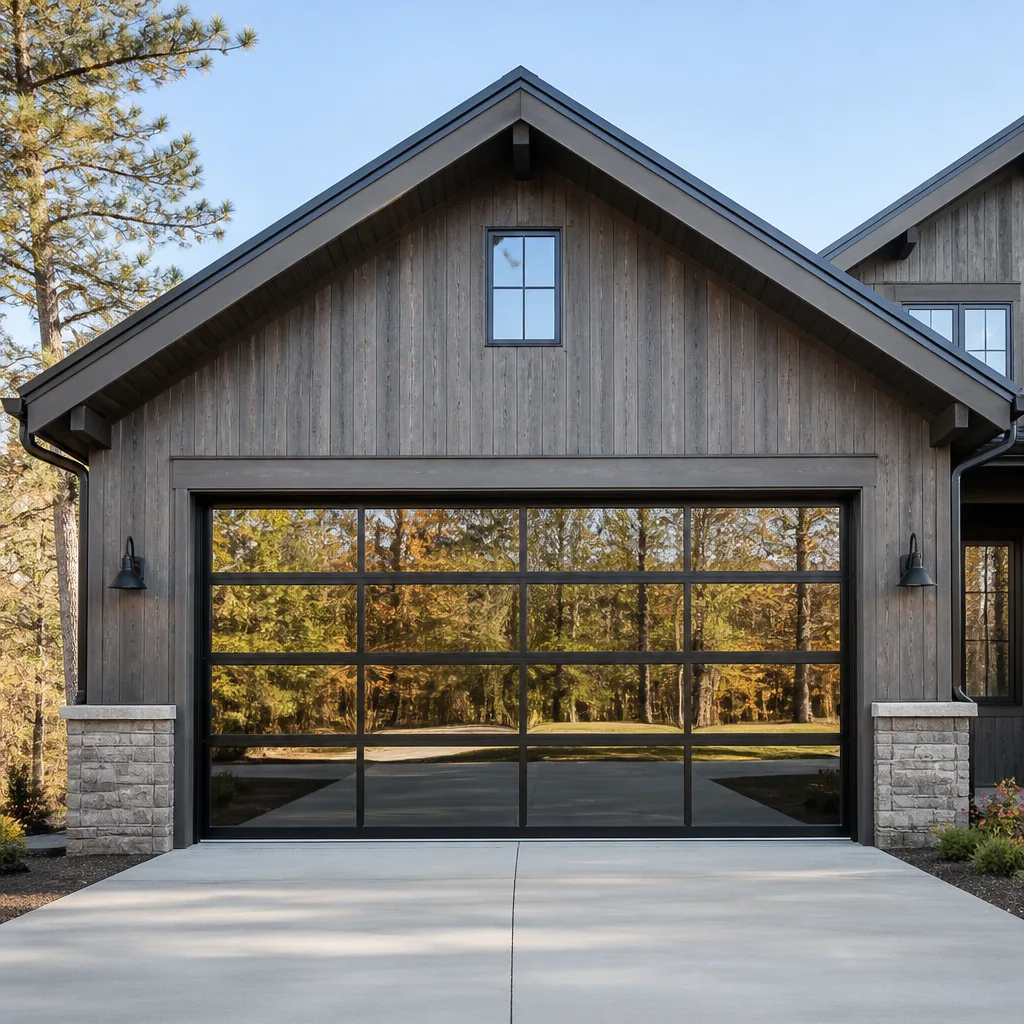 Full-view glass
 LiftMaster openers
 Chamberlain openers
Full 25-point door and opener safety check with every visit - springs, cables, rollers, tracks, and your LiftMaster or Chamberlain opener included
You get a price before we start. It does not change when the pro arrives.
Get your free estimateGarage Door Repair Troubleshooting in Naperville: Common Problems and How to Fix Them
Your garage door is telling you exactly what’s wrong. Most homeowners just don’t know which symptoms separate a fifteen-minute fix from a job that needs a technician standing in the driveway. The mistake almost everyone makes is reaching for the wall button again and again, hoping the door will suddenly cooperate, when the real information is in how it fails: where it stops, how it sounds, whether it moves at all. That pattern is the diagnosis. In this guide, we’ll walk through the six mechanical failure patterns we see most often in Naperville, show you which checks are safe to run yourself, and tell you plainly when a problem is above the DIY line.
Quick Answer
Garage door troubleshooting starts with reading the symptom before touching anything: it tells you which of six failure patterns you’re dealing with. Sensor, remote battery, and manual release checks are safe for a homeowner. Spring, cable, and drum problems are not, and they need a trained technician on-site. In Naperville, the freeze-thaw swings along the DuPage River valley make bottom seal and track problems especially common, and those often imitate electrical faults when they’re purely mechanical.
Styles & brands we work with
- Raised-panel steel
- Carriage house
- Modern flush
- Full-view glass
- LiftMaster openers
- Chamberlain openers
Table of Contents
- The Symptom-to-Cause Matrix
- Limit Switch vs. Spring Failure: Telling Them Apart
- How Naperville’s Freeze-Thaw Cycles Break Doors
- The Safety Hierarchy: What You Can Check and What You Can’t
- Opener and Remote Troubleshooting
- When a “Fixed” Problem Comes Back
- Off-Track Doors and Panel Damage
- When to Call a Professional
The Symptom-to-Cause Matrix
Before you climb anything or loosen a screw, watch how the door behaves. Each behavior narrows the possibilities fast, and that saves you from starting down a repair path you don’t need. We’ve built this matrix from what our technicians have learned across their years working on doors throughout Naperville, and it holds up whether you have a LiftMaster opener or an older chain-drive unit.
- Door won’t open at all, opener motor doesn’t hum: dead power, tripped breaker, blown logic board, or a remote that needs a new battery. Check the wall button first. If the wall button works but the remote doesn’t, it’s a remote problem, not a door problem.
- Motor hums but the door doesn’t move: stripped drive gear, snapped spring, or a disconnected trolley. If the spring looks intact, the trolley release may have been pulled. If it looks broken, stop and call.
- Door opens partway and stops: a limit-switch setting, an obstruction in the safety sensor path, or a torsion spring that has lost tension. One is an adjustment, one is a professional repair. More on how to tell below.
- Door goes up a foot and reverses: almost always a safety sensor alignment issue or a bind in the track. Check for debris or a knocked sensor bracket first.
- Grinding, scraping, or popping: worn rollers, dry hinges, or a torsion cable that’s come loose. A spring pop is the loudest single sound most homeowners ever hear, and it means the door should not be operated.
- Door looks crooked or hangs low on one side: a snapped cable or a track that’s come out of alignment. Do not run the opener.
The pattern here is simple: sound tells you where, motion tells you what. A silent opener that doesn’t move the door doesn’t have a spring problem; it has an electrical or drive problem. A door that reverses partway doesn’t have a broken spring; it has a sensor or bind issue. Read both before you act.
Limit Switch vs. Spring Failure: Telling Them Apart
These two failures produce the same basic complaint: “the door goes up part way and stops.” One is a five-minute adjustment on the opener, and the other is the most dangerous repair in the garage. Here’s how to separate them without touching anything.
Limit switch or travel setting. The motor runs smoothly, the door moves evenly, and it stops at the same place every time. The opener itself sounds healthy. This is an issue with where the opener thinks the door should stop, either the up or down limit adjustment on the opener housing or a travel setting that has drifted on a newer logic board. On LiftMaster and Chamberlain units with a purple or yellow learn button, travel settings live in the head unit and can be reprogrammed. A technician handles this quickly, and it’s not a safety risk to run the door in the meantime as long as the door stays balanced.
Torsion spring failure. The door is heavy when you lift it by hand, hangs lower than usual on one side, or won’t stay up at any height. A torsion spring that has failed usually shows a visible gap in the coil above the door, and the sound was a loud bang. Sometimes the door moves a foot and then stops because the opener is struggling against the door’s weight rather than against a setting. Do not run the opener. Do not pull the manual release. The door could drop.
We treat garage door repair for springs as a dedicated service because the failure pattern above needs a trained hand. If you’re unsure which pattern you have, describe the sound and the stopping point over the phone. That’s usually enough for us to tell you whether it’s a travel adjustment or a spring call.
How Naperville’s Freeze-Thaw Cycles Break Doors
Naperville winters bring a lot of freeze-thaw cycling, and the ground shifts under a garage slab in ways that show up in the door system. Our technicians have seen three specific patterns from this local climate, and all three mimic electrical problems when they’re actually mechanical.
- Bottom seal compression. The rubber seal at the bottom of the door freezes to the slab, then tears away from the retainer when the door comes up. The next morning, the seal is hanging loosely, the door looks like it’s closing crooked, and the opener might reverse on the way down because the seal is dragging. If your door reverses on closing during a cold stretch, check whether the seal is torn or frozen before you start diagnosing sensors.
- Track misalignment. Frost heave lifts and shifts the slab, and the vertical tracks mounted to the floor shift with it. The rollers bind, the door scrapes, and the opener struggles. Rolling the door by hand is a fast way to feel whether it’s binding on one side.
- Roller wear accelerated by grit. Road salt and sand get tracked into the garage and lodge in the roller bearings, then harden in spring. Doors that were smooth in October start grinding by March. New rollers and a hinge lube handle most of this.
One habit that pays off: in late fall, before the first hard freeze, run the door by hand to feel for bind and inspect the bottom seal for cracking. In spring, walk the perimeter of the track and look for gaps at the floor anchor points. Catching either of these early avoids the mid-winter call where the door won’t budge and the car is trapped inside.
The Safety Hierarchy: What You Can Check and What You Can’t
Some problems are troubleshooting jobs. Others are injury jobs. Knowing the line between them is the single most useful thing you can learn from this guide, and it’s the part we most wish we could pin to every garage wall in Naperville.
Safe for a homeowner to check
These are low-risk and don’t involve stored mechanical energy:
- Safety sensor alignment. Look at the two sensors at the bottom of the door’s opening. Both should have a solid LED. If one is blinking or off, the path is blocked or the sensor is out of alignment. Straighten the bracket, clear obstructions, and recheck.
- Remote battery. Try the wall button first. If it opens the door and the remote doesn’t, swap the remote battery before anything else.
- Manual release (with the door DOWN). Pull the red handle and slide the trolley forward and back a few inches to free it. Do not use the manual release if the door is up or if you suspect a spring has failed. A heavy door with the opener disconnected can drop hard.
- Obstruction test. Place a piece of wood flat on the ground and let the door close. If the door doesn’t reverse on contact, the sensor or force setting needs attention.
- Visual inspection of the torsion bar. Look for a visible gap in the spring coil above the door. Don’t touch. Just look.
Never DIY
Two components carry enough stored mechanical energy to seriously hurt a person who isn’t trained: the torsion spring system and the torsion cables with their drums. A torsion spring on a standard double door holds several hundred pounds of tension, and the cables are under the same load. Loosening the wrong set screw or the wrong winding bolt can send cable flying or drop the door. No homeowner should touch the spring, the winding cone, the cable, or the drum. That is a professional-only repair, and Google’s own search quality guidelines reflect the same distinction for a reason. If the diagnosis is a spring, the answer is a technician on-site, not a tool run.
We’ve made garage door opener repair a named service for the same reason. The opener is safer to work on than the spring, but a logic board swap or a limit adjustment still needs someone who knows the brand’s specific procedure.
Opener and Remote Troubleshooting
Opener problems are the most frequently misdiagnosed because they often mimic door problems. The motor is fine; the signal is not. Or the door is fine; the travel setting is not. Three checks separate the two camps before you call anyone.
Wall button vs. remote. If the wall button opens the door and the remote doesn’t, the problem is in the remote or the receiver, not the opener’s motor. Try a new battery, then try re-pairing the remote. On LiftMaster and Chamberlain units, re-pairing happens at the learn button (color varies by generation). On Genie and Craftsman units, the procedure differs, so check the manual for the model. This is where brand familiarity pays off: our technicians know the pairing sequence for each of these systems by memory.
Power at the opener vs. power at the outlet. If the wall button doesn’t respond either, check the breaker for the garage circuit and see whether the opener’s light is on. Newer units have a diagnostic LED that blinks in a count pattern. That count tells a trained technician exactly which subsystem is failing without opening the housing.
Force sensing drift. A door that reverses on closing when there’s nothing in the way usually isn’t a sensor issue, it’s a force-sensing complaint. The door thinks it’s hitting something because the door has started to bind somewhere, and the opener is only reporting the bind. Fixing the bind (track, roller, seal) is often the actual repair.
We service smart and Wi-Fi openers, DC belt-drive units, and older chain-drive models across the generations, including the LiftMaster and Chamberlain units that have become the standard on newer Naperville homes. If you’re midway through a pairing procedure and nothing is working, describing the LED blinking pattern over the phone usually saves a step. Then garage door installation enters the picture only if the opener has failed outright and the door itself is at the end of its life.
When a “Fixed” Problem Comes Back
A door that fails again within a month is telling you the original diagnosis was wrong. That happens for four predictable reasons, and knowing them will help you ask the right questions the next time.
- The symptom was treated, not the cause. A noisy roller gets replaced when the real issue is a track that’s out of alignment and grinding the roller. New roller goes in, sounds better for two weeks, noise returns. The track was the cause.
- Worn parts weren’t replaced together. Springs are usually replaced as a matched pair. Replacing one spring on a two-spring door leaves the older one with stress it wasn’t carrying before. A door that’s had one spring snapped will typically pop the other within a season.
- Force settings were raised to hide a bind. Rather than freeing a binding track, someone turns up the force adjustment on the opener so the motor pushes through. The door works for a while, then the force setting quits covering it, and the door stops again.
- Structural movement wasn’t addressed. On doors where one of the vertical tracks has pulled loose from the frame, a reset without re-anchoring it will fail within weeks. The track needs to be re-secured, not just re-aligned.
When you call any garage door company, ask what they found and why the fix addresses the cause, not just the symptom. If the answer is “we replaced the roller,” ask about the track. If the answer is “we raised the force setting,” ask about the bind. That question separates a real diagnosis from a patch, and it’s the one thing no homeowner should skip. If the last tech couldn’t tell you, we can take a second look. The written estimate lists the cause and the fix before any work starts.
Off-Track Doors and Panel Damage
A door that’s left its track is a genuinely urgent situation, especially if the door is up and the car is inside. The safest move is to stop running the opener, leave the door where it is if it’s down, and call for service. There are two main patterns of off-track failure.
Jumped track at the roller. One or more rollers have popped out of the curved section of the track, usually at the top corners. The door sits crooked and the top section leans. The fix is usually re-seating the rollers and trying the track, unless the track itself has bent, in which case that section is replaced.
Panel damage. When a door is hit by a vehicle or a heavy object, the bottom panel often bends. On steel doors (especially Clopay, Amarr, and Wayne Dalton sectional doors), one panel is replaceable without swapping the entire door. The match to the original finish matters, and so does whether the panel is still in production. If it isn’t, a matching replacement from a different line or a full door replacement becomes the practical answer, and a Naperville Garage Door Repair Co technician can lay out both options before any order is placed.
For a door that’s off-track and stuck open with the car trapped or the house exposed, call. We treat emergency garage door service as a core offering because a door that won’t close leaves the home open, and that’s a security situation, not an inconvenience. We answer 24/7. Fast dispatch from 7am to 7pm, Sunday through Friday, and a call outside dispatch hours is booked into the next opening.
See the difference
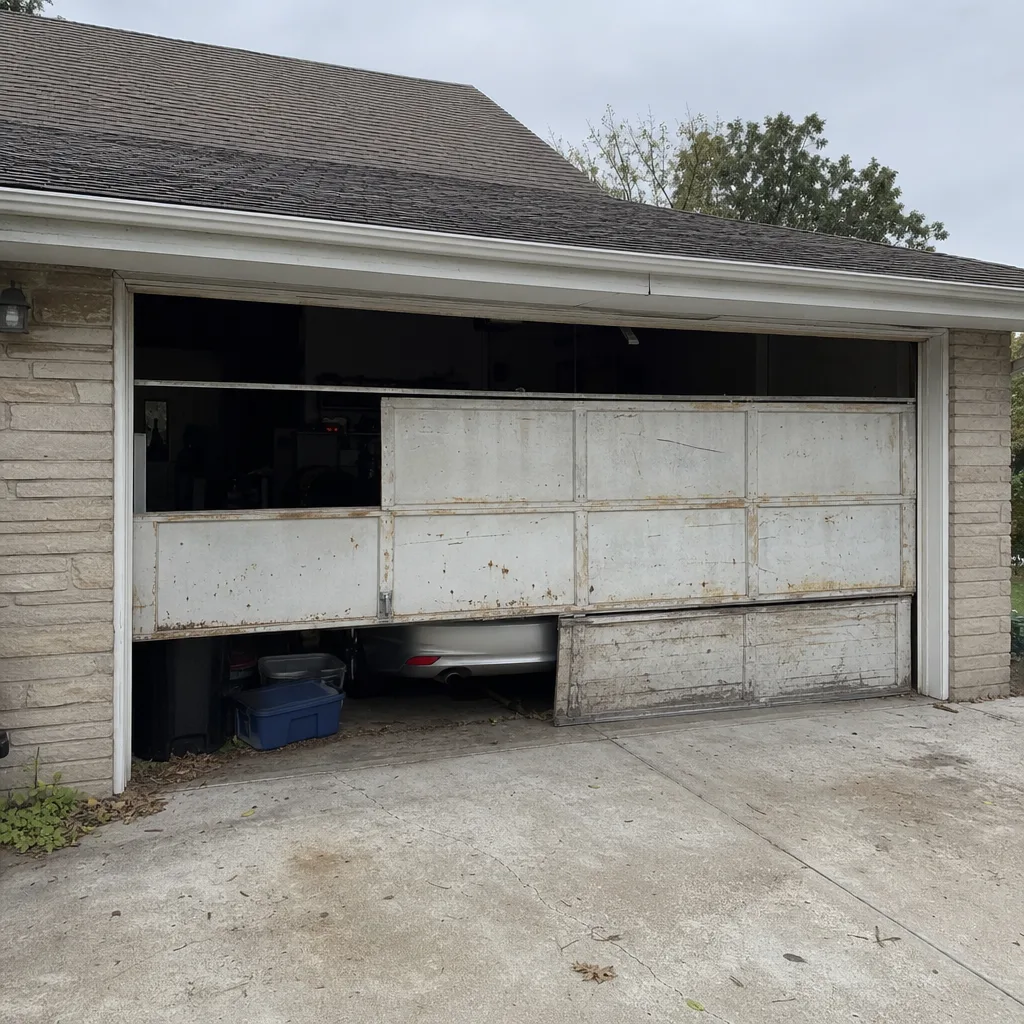 Before
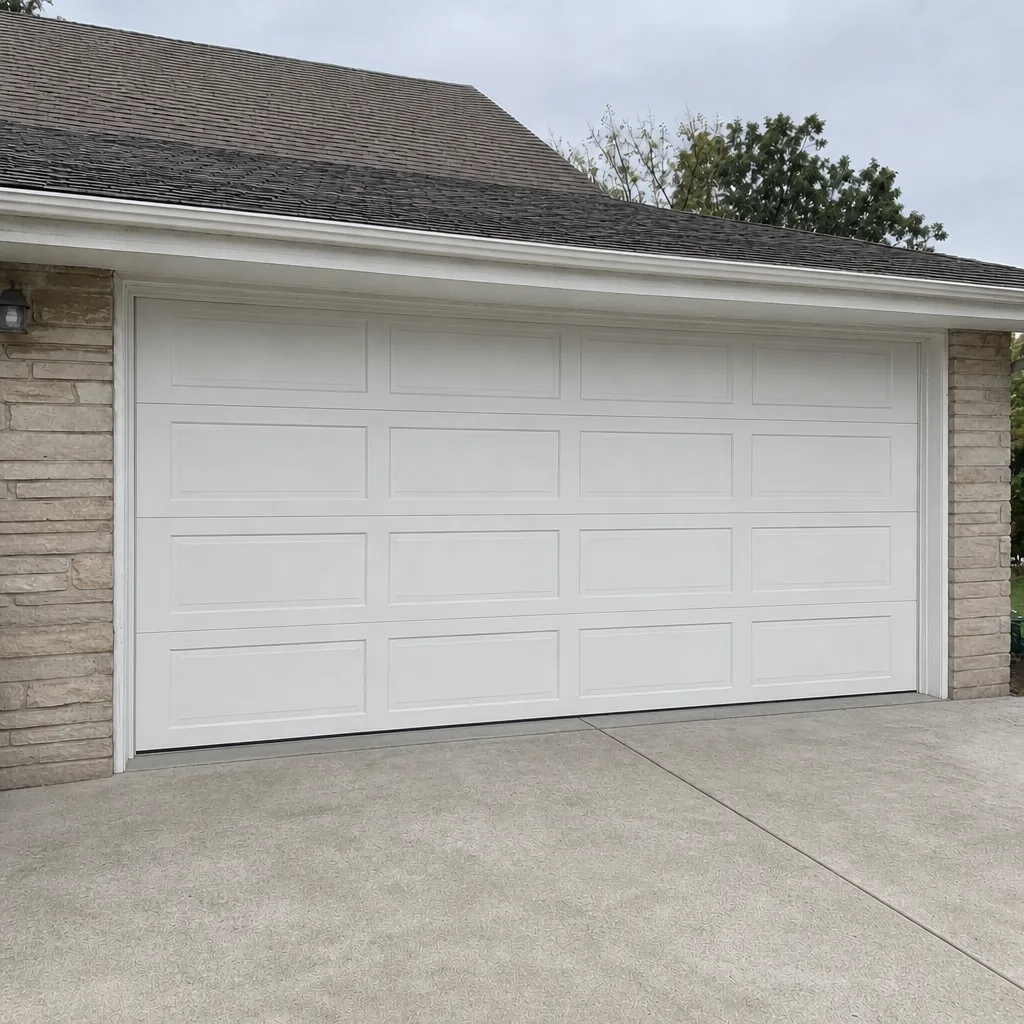 After
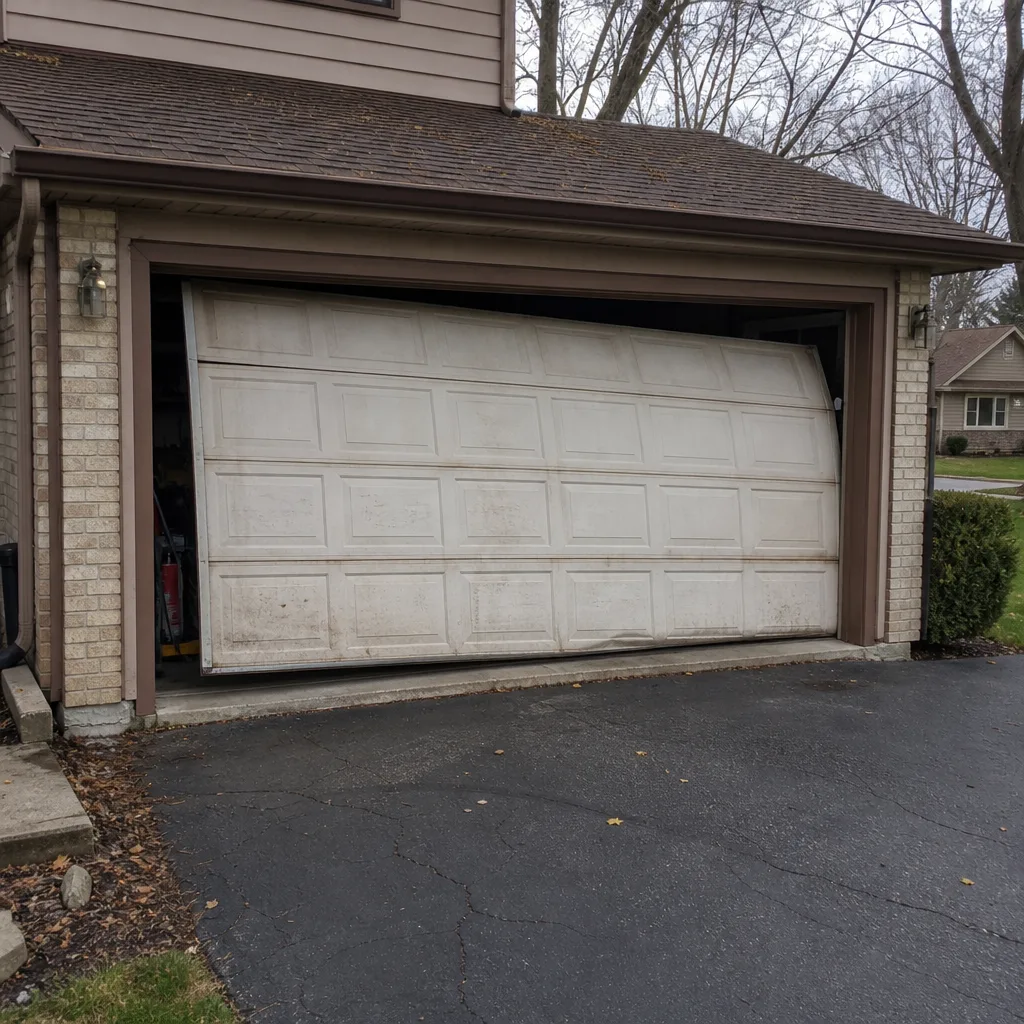 Before
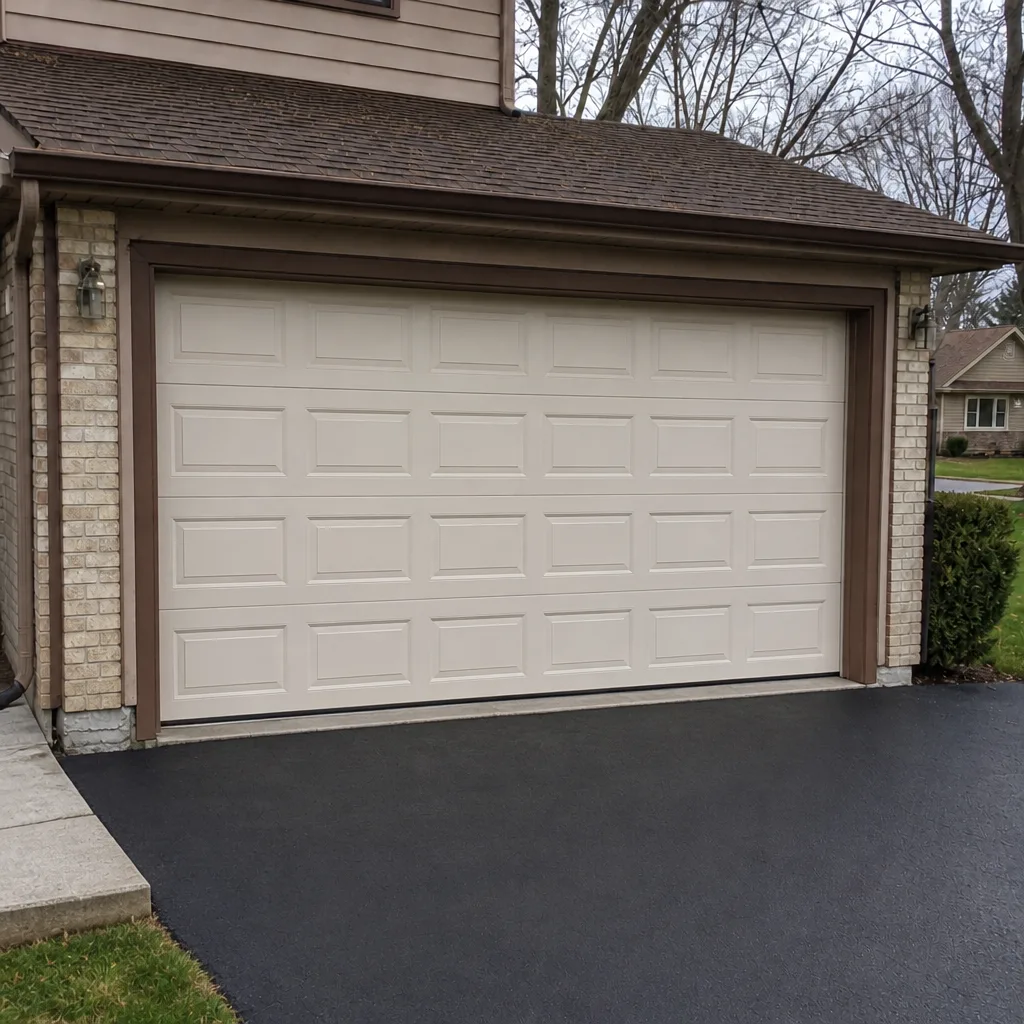 After
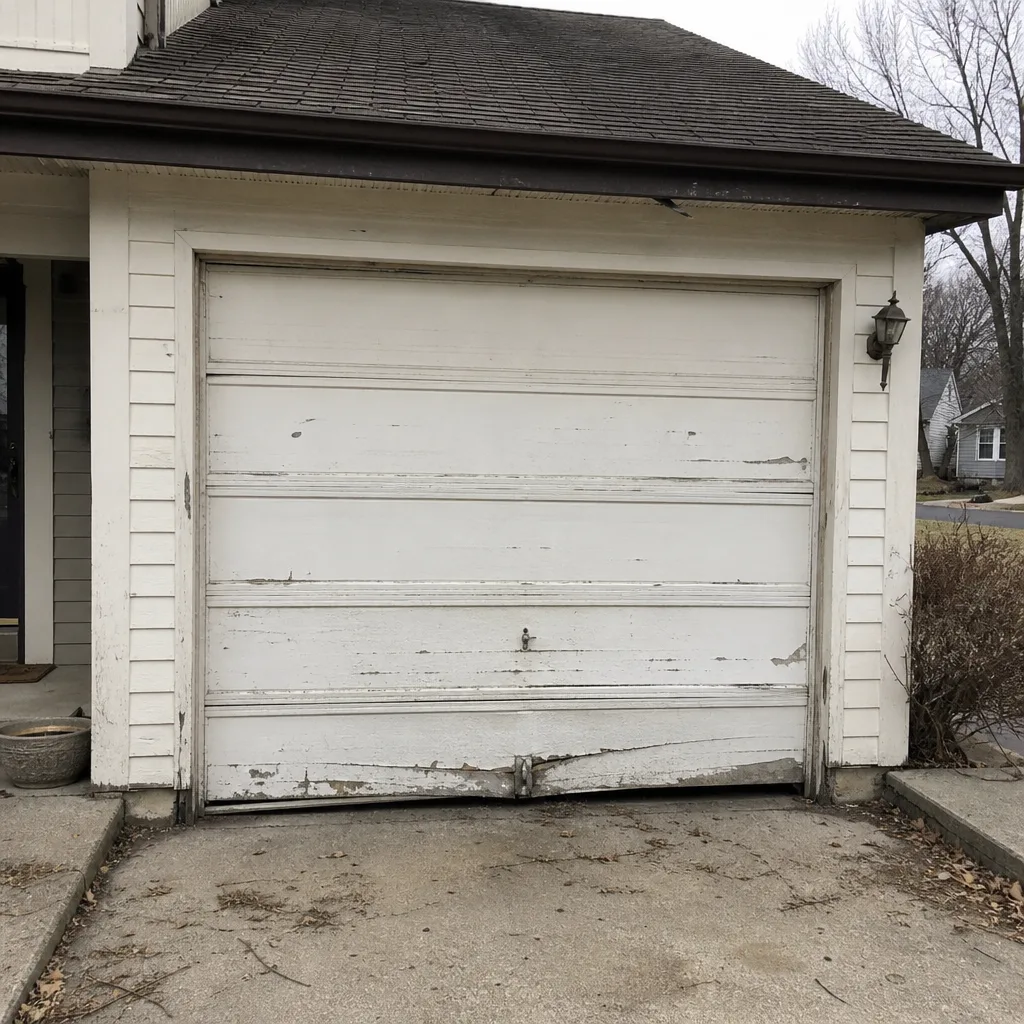 Before
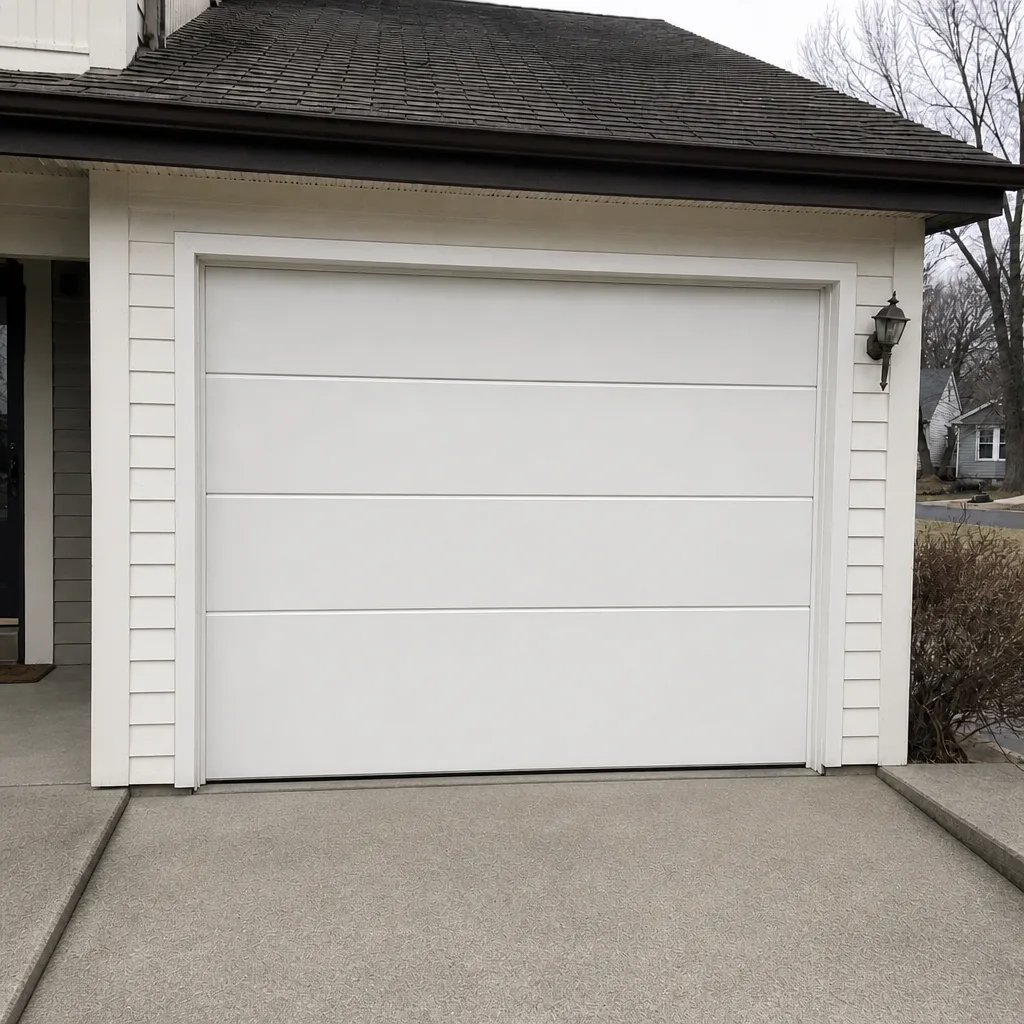 After
Common Mistakes to Avoid
- Running the opener against a broken spring. This strips the drive gear and can burn out the motor within a few cycles. If the spring has visibly failed, stop pressing the wall button.
- Pulling the manual release with the door up. A door held up by a working spring is holding real weight. Pull the release with the door down, not up. Naperville homeowners often make this mistake during a power outage.
- Assuming a cold-weather reversal is always a sensor issue. In a Naperville February, a frozen or torn bottom seal is the far more common cause. Check the seal before you realign sensors.
- Raising the opener’s force setting to hide a bind. This masks the real problem and shortens the life of the opener’s gear and the door’s rollers. Fix the bind.
- Replacing one spring on a two-spring door. The other spring has been carrying more load than before. Replace the matched pair.
- Lubricating spring coils with WD-40 or similar thin oils. A torsion spring needs a proper garage door lubricant, not a light penetrating oil. The wrong product attracts grit that acts like sandpaper.
- Believing a quiet door means a healthy door. Some of the worst failures (a partially fatigued spring, a stretched cable) give no warning until they go. A visual inspection once a year is worth more than the sound.
When to Call a Professional
Some garage door problems resolve with a battery, a sensor bracket and ten minutes. Others don’t. The line is clear. Call a professional when the spring has visibly failed or the door is heavy to lift by hand; when a cable has come off its drum; when the door is off-track or crooked; when the opener’s motor hums but the door doesn’t move; and when a repair you’ve already made comes back within thirty days. These are the jobs where a trained eye and the right tools make the difference between a fix and a callback. Our technicians have up to 13 years of experience on LiftMaster, Chamberlain, Genie, Clopay, Amarr, Wayne Dalton, Craftsman and Raynor systems, so they’re familiar with whatever door is already on your home.
Naperville Garage Door Repair Co offers free estimates in Naperville. Call (833) 513-8805. We answer 24/7. Fast dispatch from 7am to 7pm, Sunday through Friday, and the price is quoted and agreed before any work starts.
Frequently Asked Questions
Common garage door repairs in Naperville range from about $95 for a sensor or remote fix to $300 or more for a spring replacement or opener repair. A matched pair of torsion springs typically runs higher than a single spring, roughly double, because both springs are usually replaced together. The written estimate sets the final price before any work begins. Call (833) 513-8805 for an exact quote. Estimates are free.
Yes, same-day service is available for most repair calls in Naperville. We answer 24/7, and fast dispatch runs from 7am to 7pm, Sunday through Friday. A call outside dispatch hours is booked into the next opening. Call (833) 513-8805 to get on the schedule.
The written estimate you get before any work starts is the price for that job. If something unexpected turns up during the repair, the technician stops and explains the new option before proceeding. No work goes ahead without your approval. Call (833) 513-8805 to schedule the free estimate.
The local pro we connect you with is licensed and insured as the state of Illinois requires for this work. Any documentation you need can be provided at the time of the estimate. Call (833) 513-8805 to ask about qualifications before booking.
A spring failure makes the door heavy to lift by hand and usually involves a loud bang with a visible gap in the coil above the door. A sensor problem leaves the door’s weight normal but stops or reverses it on closing. If you lift the door a few inches by hand and it feels very heavy, that’s a spring. If it moves freely but reverses when the door closes, that’s the sensor. Call (833) 513-8805 if you’re unsure, and describe what you see.
A repeat failure within thirty days usually means the root cause wasn’t addressed the first time, either the wrong part was replaced or a bind or misalignment was masked. A second opinion is worth the call. We’ll explain what we find and why the previous repair didn’t hold. Call (833) 513-8805 to book an estimate.
The Bottom Line
Read the symptom before touching anything. A door that reverses on closing has a different problem than a door that won’t move at all, and that difference tells you whether you’re looking at a sensor, a travel setting, a spring, or a cable. In Naperville, the freeze-thaw cycles add a specific local twist, so bottom seal and track issues often masquerade as something more serious. Some checks are safe for a homeowner (sensors, battery, manual release with the door down). Others are not, and those are the spring, cable and drum jobs that need a technician on-site. If a repair comes back within a month, ask the technician what they found and why the fix addresses the cause. No guesswork, no callbacks.
Call (833) 513-8805 for a free estimate. We answer 24/7. Fast dispatch from 7am to 7pm, Sunday through Friday, and the price is quoted and agreed before any work starts.
Written by the team at Naperville Garage Door Repair Co.