
Last updated November 23, 2026
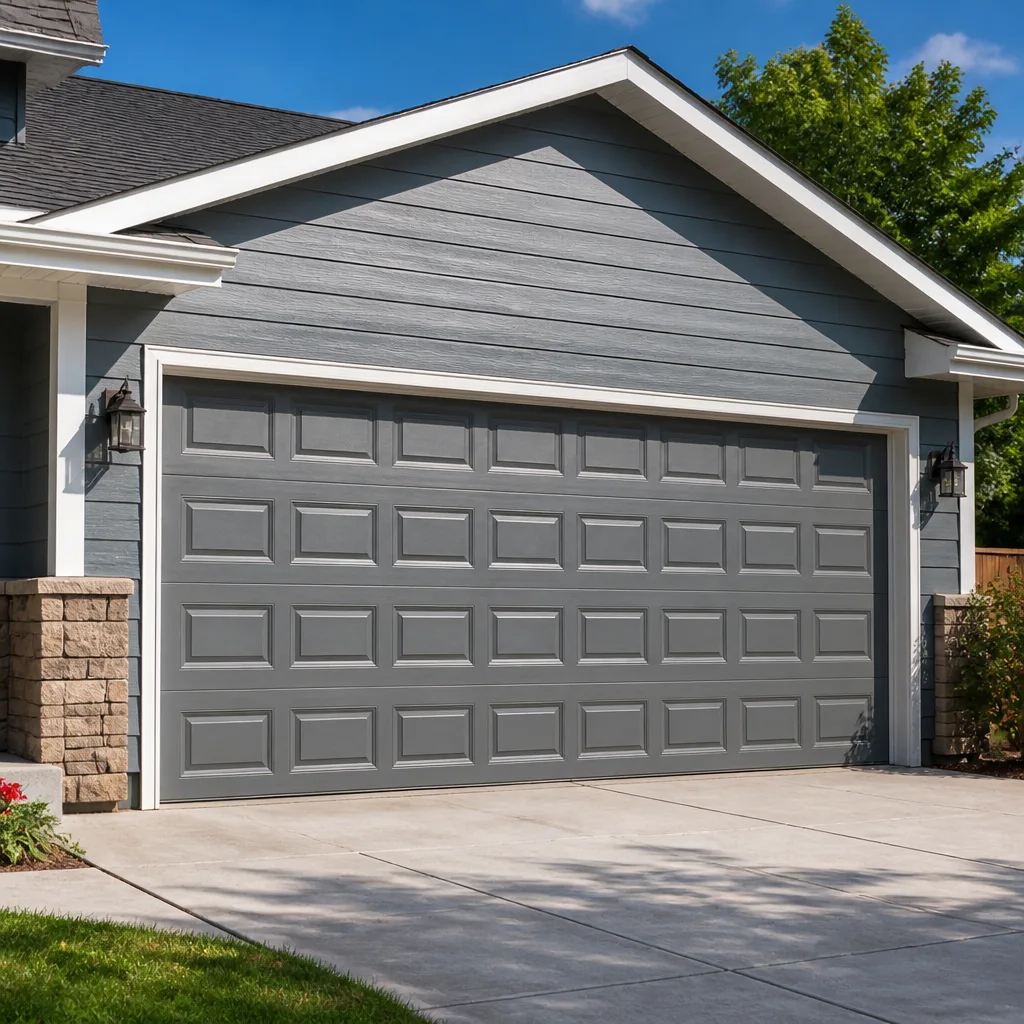 Raised-panel steel
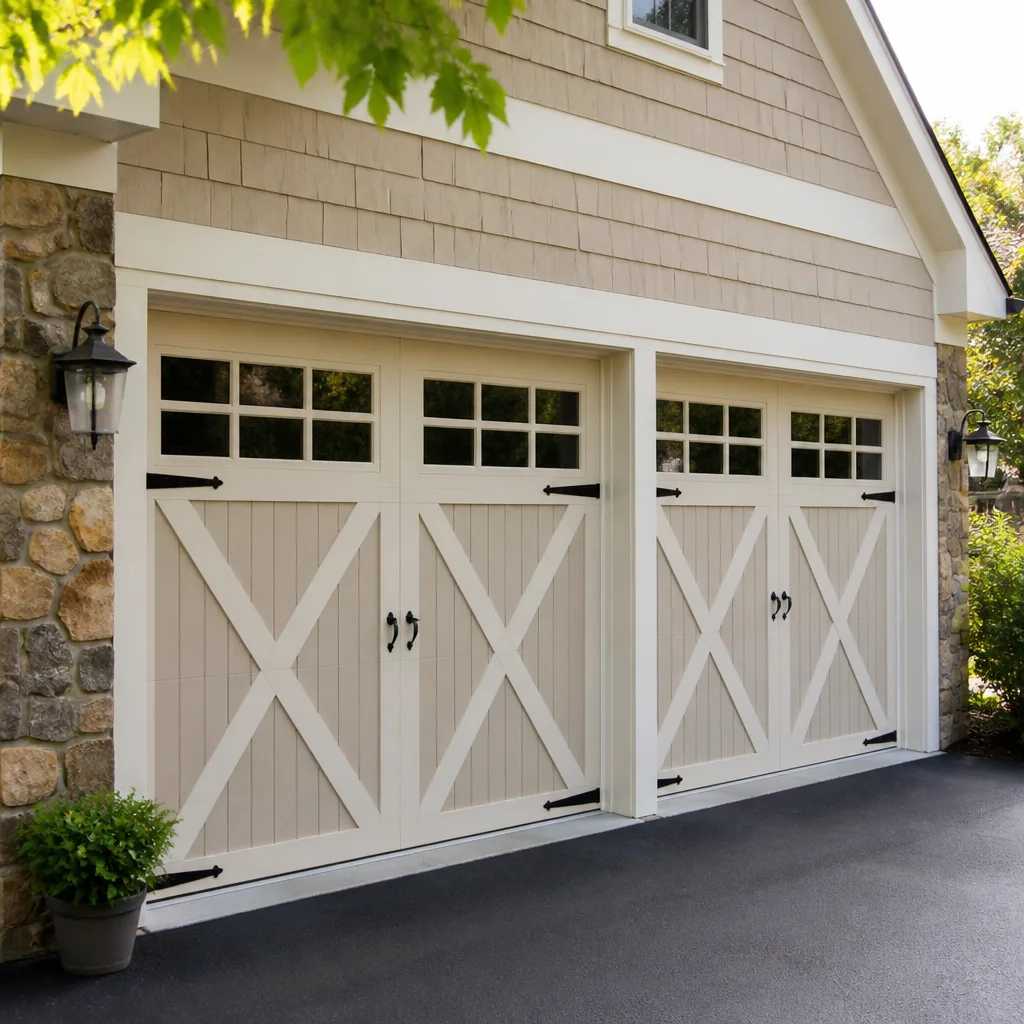 Carriage house
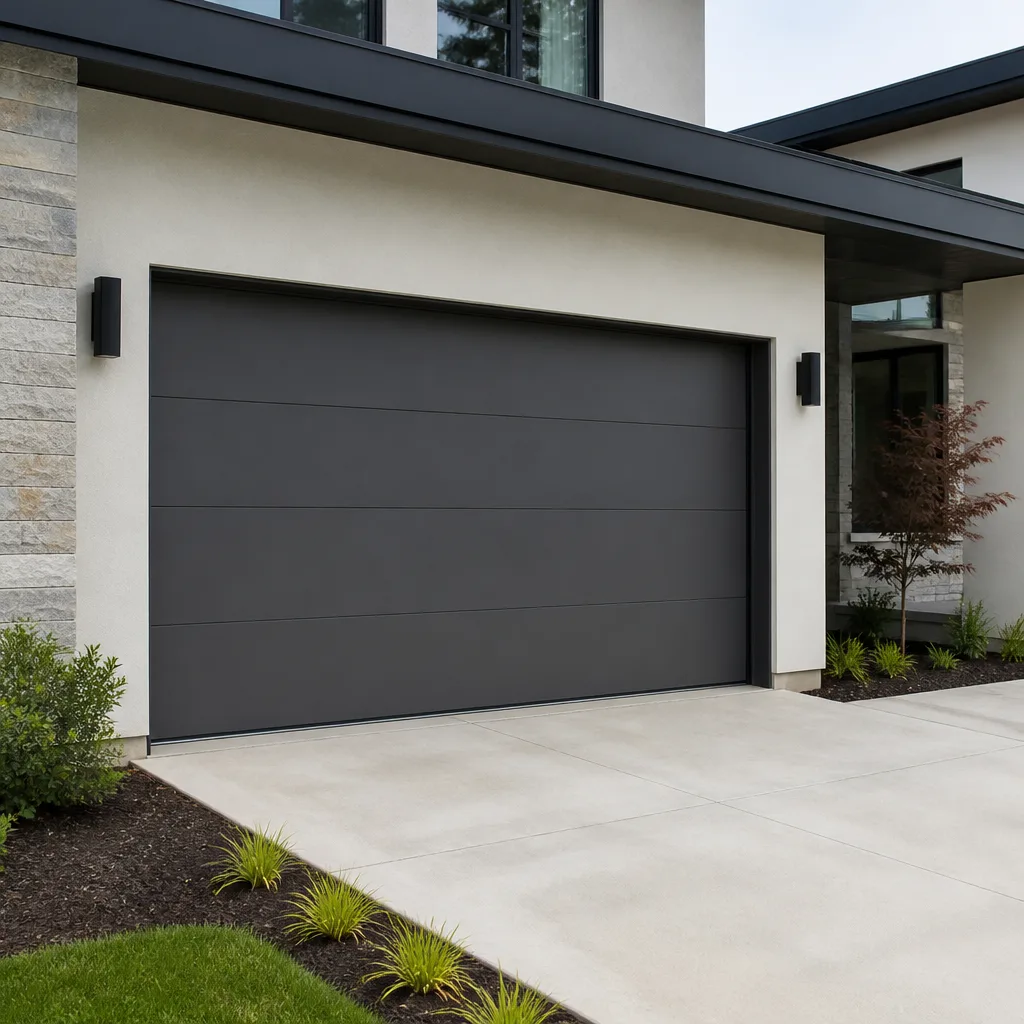 Modern flush
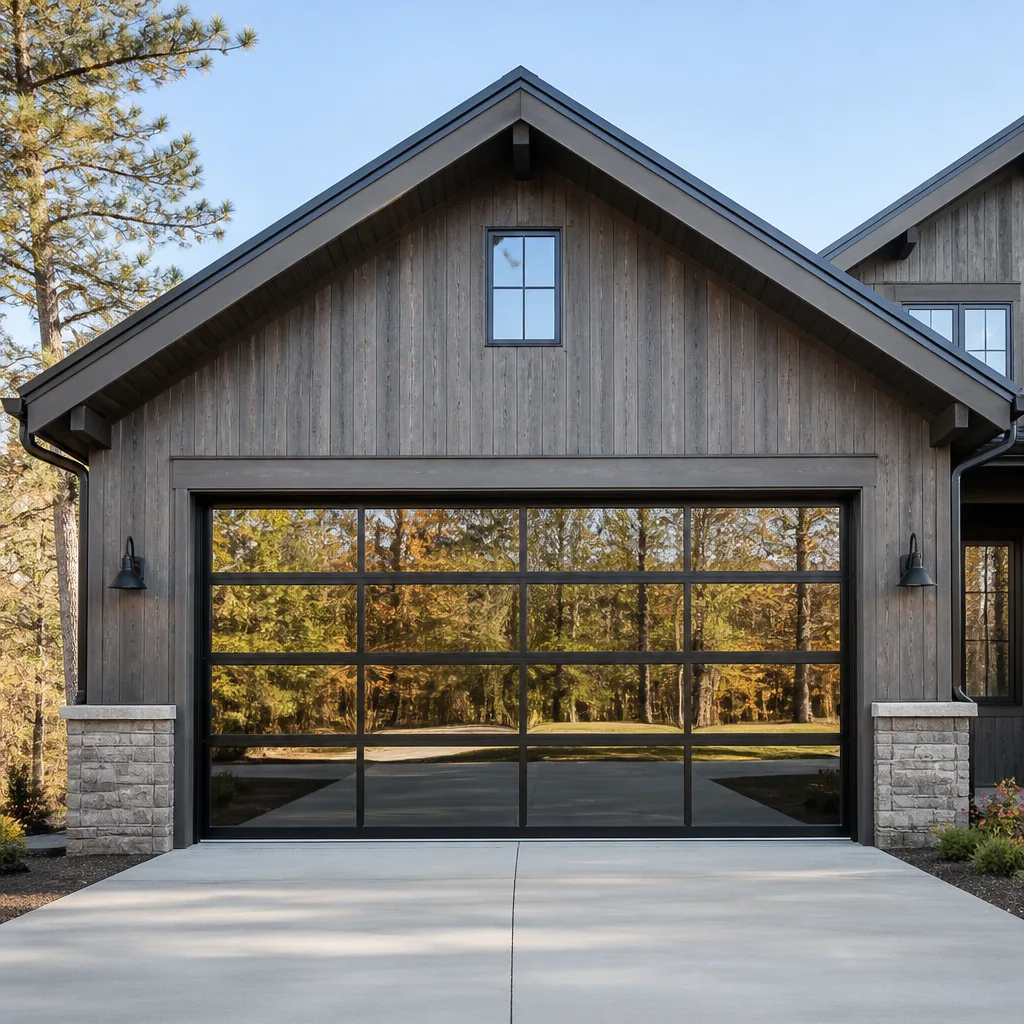 Full-view glass
 LiftMaster openers
 Chamberlain openers
Full 25-point door and opener safety check with every visit - springs, cables, rollers, tracks, and your LiftMaster or Chamberlain opener included
You get a price before we start. It does not change when the pro arrives.
Get your free estimateGarage Door Permits, Codes & Inspections in Naperville, IL: What You Need to Know
Most Naperville homeowners assume garage door work is a permit-free zone. Many contractors tell them exactly that. The truth is narrower and more useful: the City of Naperville doesn’t require a permit for every repair, but it does require one for certain installations, and the difference between those categories matters most at the moment you sell your home. A door swapped out on an altered opening without the right paperwork can turn into a retroactive inspection that holds up a closing. This guide walks through exactly where the line sits in Naperville, what the building department actually inspects, how HOA covenants in subdivisions like Ranchview and Brookdale layer on top of city code, and how to keep your garage door project clean from permit to disclosure.
Quick Answer
In Naperville, a like-for-like garage door replacement on an unaltered opening typically doesn’t require a building permit, but a new door installation that changes the opening size, adds or moves structural framing, or alters the header usually does. Opener replacements generally don’t need a permit unless associated electrical work requires one. Spring replacements never require a permit. For anything beyond a straight swap, ask the City of Naperville Building & Code Enforcement Division directly before work begins; HOA covenants may add restrictions city code doesn’t cover.
Styles & brands we work with
- Raised-panel steel
- Carriage house
- Modern flush
- Full-view glass
- LiftMaster openers
- Chamberlain openers
Table of Contents
- What Garage Door Work Requires a Naperville Permit (and What Doesn’t)
- The IBC and IRC Sections Naperville Enforces Locally
- What a Naperville Garage Door Inspection Actually Covers
- HOA Covenants: How Subdivisions Add Rules City Code Doesn’t
- Permits for New Installations: Wind Load, Anchorage, and Panel Selection
- Spring Repair and Opener Swaps: Where the Permit Line Falls
- Unpermitted Work and Home Sale Disclosures
- Frequently Asked Questions
What Garage Door Work Requires a Naperville Permit (and What Doesn’t)
The cleanest way to think about Naperville’s permit thresholds is by category of work, not by whether the door looks different when it’s done. Three buckets cover almost every residential case.
No permit typically required:
- Spring replacement, whether torsion or extension
- Cable, roller, hinge, and bracket replacement
- Opener repair on existing wiring
- Opener replacement when the existing outlet and wiring are reused (a LiftMaster or Chamberlain swap onto an existing circuit is normally treated as a fixture change)
- Like-for-like door panel replacement on an unmodified opening
- General repair of a door that has come off its track or developed a gap
Permit usually required:
- New door installation where the opening width, height, or headroom has changed
- Replacement of the door, track, and header where structural framing is touched
- Adding a garage door to a wall that didn’t previously have one
- Any opener installation that requires new electrical circuits, which falls under electrical permitting
Ask the city directly:
- A replacement that’s identical in size but on a door built into a wall with modifications to the original framing
- Conversions where the garage is being upgraded to a different door weight class or spring system tying into new anchorage
For Naperville residents, the honest answer is that the Building & Code Enforcement Division is the authority on your specific address. Their staff will tell you within a phone call whether your project sits inside or outside the permit line. That phone call costs nothing and prevents a much more expensive problem at closing.
If your project falls into the “no permit” bucket and you need repair work done, our garage door repair page explains what a typical service visit looks like.
The IBC and IRC Sections Naperville Enforces Locally
Naperville adopts the International Building Code (IBC) for commercial and multi-family work and the International Residential Code (IRC) for one- and two-family dwellings. Those model codes aren’t Naperville-specific, but the way the city adopts and enforces them is, and garage doors sit at the intersection of several code sections that affect panel and track selection.
The sections that most often come up in garage door work:
- IRC R703 and R609 – Exterior wall and wind load provisions. Naperville’s design criteria require doors to resist the local design wind speed for the region. For Midwest residential installations, that generally means selecting door panels and tracks rated for the local design wind speed, not just any door that fits the opening. This matters most on new installs where the door is being sized fresh.
- IRC R611 – Anchorage. Track brackets, jack shafts, and header attachments must be anchored to framing rated for the load the door places on it. New installs on older openings sometimes need header reinforcement.
- IRC R310 – Emergency escape and rescue openings. If a garage door is being replaced on a wall that includes a required egress path, the door’s operation and hardware must not interfere with escape.
- IRC E3402 – Electrical provisions. Opener installations that require new branch circuits or receptacles route through electrical permitting even when the door doesn’t.
In practice, most like-for-like replacements never touch these provisions. But new installs sometimes do, especially in older Naperville neighborhoods where a door is being sized into an opening that was built before current design wind speeds were adopted. If you’re changing the door’s size or its anchoring, the city’s building department is the authority on what they’ll require – and they will tell you.
For full new installations, our garage door installation page covers how we approach the measure-and-quote process on jobs that touch these thresholds.
What a Naperville Garage Door Inspection Actually Covers
A Naperville building inspection for garage door work is a shorter visit than most homeowners expect. It’s not a full home inspection, and it’s not a service call. It’s a code-compliance check on the specific scope of the permit. A typical inspection covers these items:
- Anchorage verification. The inspector confirms track brackets, header attachments, and spring anchors are secured to framing as required by the permit drawings. This is usually the longest part of the visit.
- Wind load compliance. Door panel rating and track system are checked against the design criteria for the project.
- Clearances and headroom. The door’s operation is observed through its full cycle to confirm nothing intrudes on required clearances.
- Safety devices. The photo-eye system and auto-reverse function are tested. Openers installed as part of the permitted work must meet current safety requirements.
- Electrical associated with the permit. If a new circuit or receptacle was part of the scope, the electrical inspector’s portion is confirmed.
Most residential garage door inspections are completed in under an hour on-site, assuming the work meets the permit drawings. If something is off – a bracket not anchored to framing, a panel rating that doesn’t match the design criteria – the inspector issues a correction notice and the visit is scheduled again after the fix. That’s the scenario to avoid, because the second visit costs more time than the first.
Scheduling timing varies with the city’s inspection queue. The division staff can tell you the typical wait when you pull the permit. Build the buffer into your project schedule rather than the other way around.
HOA Covenants: How Subdivisions Add Rules City Code Doesn’t
Naperville’s permit requirements are the city’s rules. Your subdivision may have its own. Ranchview and Brookdale – two established neighborhoods with active homeowner associations – are examples of what that looks like in practice. City code governs the structural code; the HOA governs appearance.
What HOA covenants typically control for garage doors:
- Door style. Carriage-house style, raised-panel, or flush-panel may be restricted by subdivision.
- Color. Many associations specify an approved palette. Replacing an Amarr raised-panel door in a color matching the original is usually straightforward; changing it to something that fits your taste but not the palette often isn’t.
- Window panels and hardware. Decorative straps, window inserts, and pass-through doors may need approval.
- Material. Color-matched steel versus certain composite options may be restricted.
- Vendor requirements. Some covenants require proof the contractor is licensed and insured, which every Naperville garage door project should include regardless.
The piece most homeowners miss: the HOA approval process usually runs on its own timeline, separate from the city permit. Spring for the city permit and forget the HOA and you can end up with a door that has to be repainted or replaced after installation. In Naperville subdivisions with architectural review committees, that’s an avoidable cost.
Before you order anything – door, panels, finish – read your HOA declaration and submit the architectural request. The names of the relevant subdivisions vary; the mechanics don’t.
Permits for New Installations: Wind Load, Anchorage, and Panel Selection
New door installations are the project type most likely to require a permit in Naperville, and they’re also the project type where code compliance is easiest to miss during selection. Three variables interact when you pick a door: wind load rating, anchorage, and panel construction.
Wind load. The door manufacturer publishes a design pressure rating for each door model. Naperville’s design wind speed for residential structures means selecting a door rated for that pressure, not just for the opening size. When a homeowner picks a door by photo from a catalog, the rating can get lost. When a licensed installer handles the measure, that rating is part of the specification. If you’re working through a brand like Clopay or Wayne Dalton, the manufacturer’s design pressure data should be part of the proposal you receive.
Anchorage. Older Naperville homes sometimes have openings where the original header framing was designed for a lighter door. A door in a different weight class requires confirming the header and jamb can carry the load. That confirmation is what the city inspector is examining during the visit.
Panel and track selection. Wind load and weight class often dictate the track gauge and the panel thickness. That’s a technical selection, not a cosmetic one.
For a free measure and a written estimate on a new door for your home, call (833) 513-8805. Installations are scheduled work – the quote is measured, the door is ordered, and the price is agreed in writing before anything is ordered. Our technicians have up to 13 years of experience with the major residential brands including Clopay, Amarr, and Wayne Dalton, so you’re not guessing about what your door was designed to handle.
Spring Repair and Opener Swaps: Where the Permit Line Falls
If there’s one category of garage door work where homeowners most often wonder about permits, it’s springs and openers. The answer here is short and useful.
Spring repair – no permit required. A torsion or extension spring replacement is a mechanical repair to an existing installed door. It doesn’t alter the opening, the framing, or the electrical system. Naperville doesn’t require a permit for it, and no inspection is triggered. It’s also the most safety-critical repair a garage door needs, and the one we handle as a dedicated service rather than a side job. If your spring has failed, call before touching the door.
Opener replacement – usually no permit, with one exception. A straight swap of a LiftMaster, Chamberlain, Genie, or Craftsman opener onto existing wiring and an existing outlet is a fixture replacement. No door permit. The exception: any opener installation that requires a new electrical circuit or a new outlet routes through electrical permitting. If the existing circuit is being reused, ask your installer to confirm that before work begins. Our garage door opener repair page covers what’s involved on a like-for-like opener swap.
Spring replacement on a door being re-rated – ask the city. In the unusual case where a spring is being upgraded to change the door’s weight class, ask the Building & Code Enforcement Division whether the change meets the threshold for a permit as an alteration to a rated system. It’s a narrow scenario; the answer from the city is immediate and definitive.
Unpermitted Work and Home Sale Disclosures
Illinois residential disclosure forms ask sellers to identify any work done on the property that required a permit but didn’t receive one. Garage door installations go in that category more often than most homeowners realize – not because the work is unsafe, but because the permit wasn’t pulled at the time.
What typically happens when unpermitted garage door work is flagged during a home sale in Naperville:
- The buyer’s inspector notes it. Wind load ratings, anchorage, and door panel markings are all visible. An inspector who knows garage door code can spot a new install quickly.
- Remediation becomes a condition of closing. The buyer’s lender may require confirmation the work meets code, which usually means a retroactive permit and inspection.
- The city inspects. The Building & Code Enforcement Division reviews the existing installation against current code requirements and issues a correction notice if anything doesn’t align.
- Corrections are made. Sometimes that’s as small as adding an anchor bracket. Sometimes the door panel wasn’t rated for local design wind speed and has to be replaced.
- The sale closes on the corrected timeline. With the permit and inspection in hand, the disclosure issue resolves. Without this step, buyers and lenders can walk.
The remediated version is not the end of the world. It’s just expensive compared to pulling the permit at the start, because you’re paying for the work twice plus the delay. The lesson for Naperville homeowners: any new door install should come with a straight answer from the installer on whether they pulled a permit. If the answer is no and the work touches the framing, that’s the moment to ask the city directly.
Common Mistakes to Avoid
- Assuming a like-for-like replacement never needs a permit. For a truly identical replacement on an unaltered opening, it usually doesn’t. But if the original opening has been modified at any point in the home’s history – and older Naperville homes often have – the city will treat the install differently. Get the answer in writing from the Building & Code Enforcement Division.
- Ordering a door before the HOA approves it. Naperville subdivisions with active covenants (Ranchview and Brookdale are examples) can require a specific style, color, or panel configuration. Order first, and you’ll own a door that doesn’t fit the subdivision’s rules.
- Skipping the wind load rating. A door that fits the opening isn’t the same as a door rated for Naperville’s design criteria. Ask for the manufacturer’s design pressure rating – it’s on the spec sheet for every Clopay, Amarr, Wayne Dalton, and Genie door.
- Letting an installer tell you what the city requires. Installers are experienced, but the city is the authority. Permits are pulled from the Building & Code Enforcement Division, and their requirements govern whether you need one.
- Not asking about the electrical circuit on an opener swap. A straight fixture replacement generally doesn’t need a permit. New wiring does. Confirm before the technician starts.
- Believing the disclosure issue won’t come up. Buyers and their inspectors know what to look for during a Naperville home sale. Unpermitted work that should have been permitted is one of the most common closing delays.
- Trying to save a few dollars on a permit. Permit fees for residential garage door work are modest compared to the cost of a retroactive inspection, correction work, and a delayed closing.
See the difference
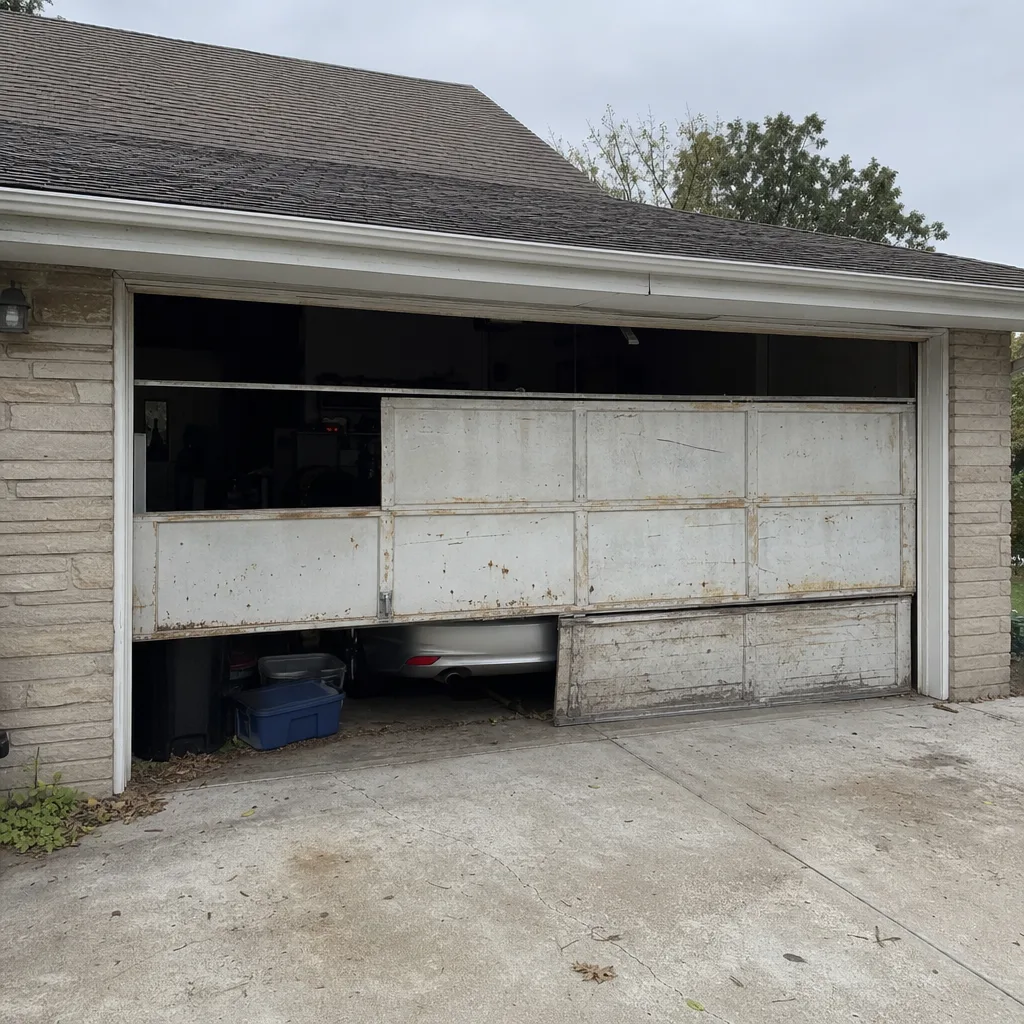 Before
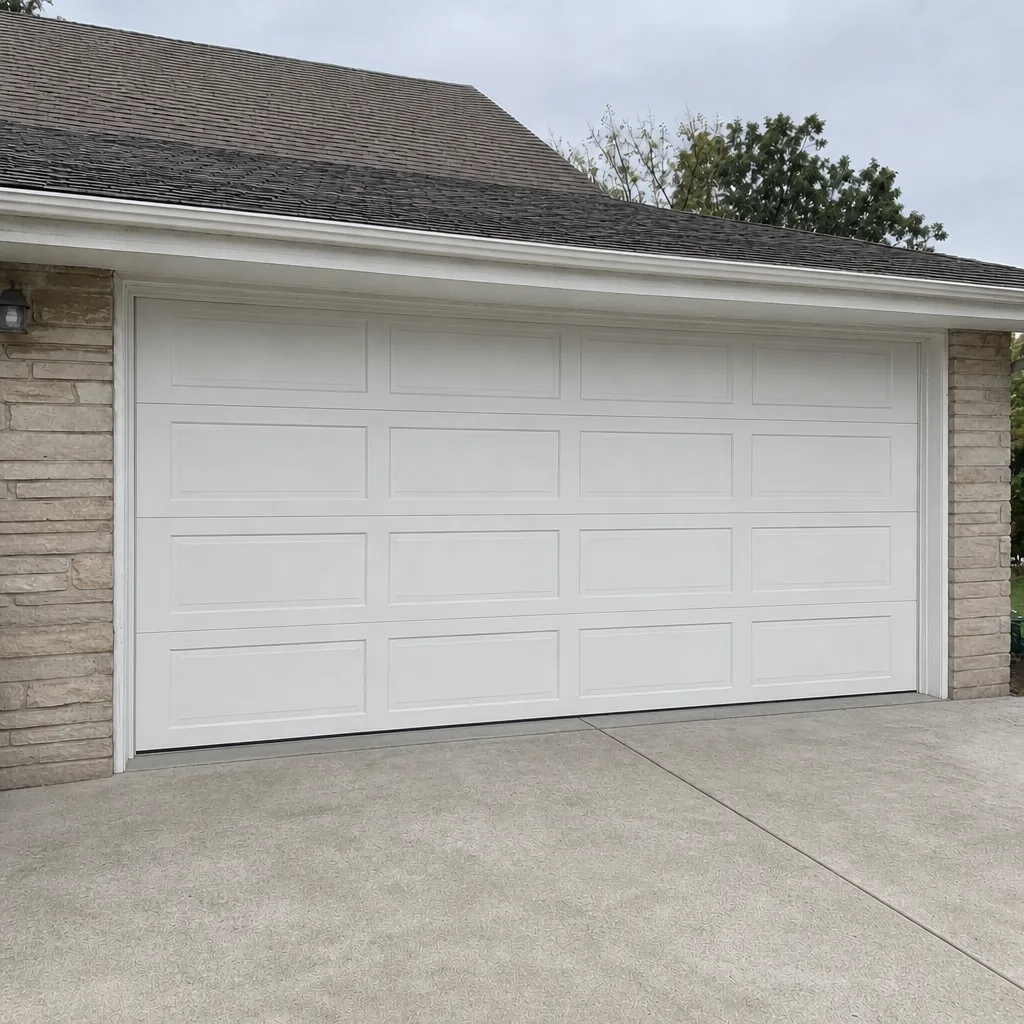 After
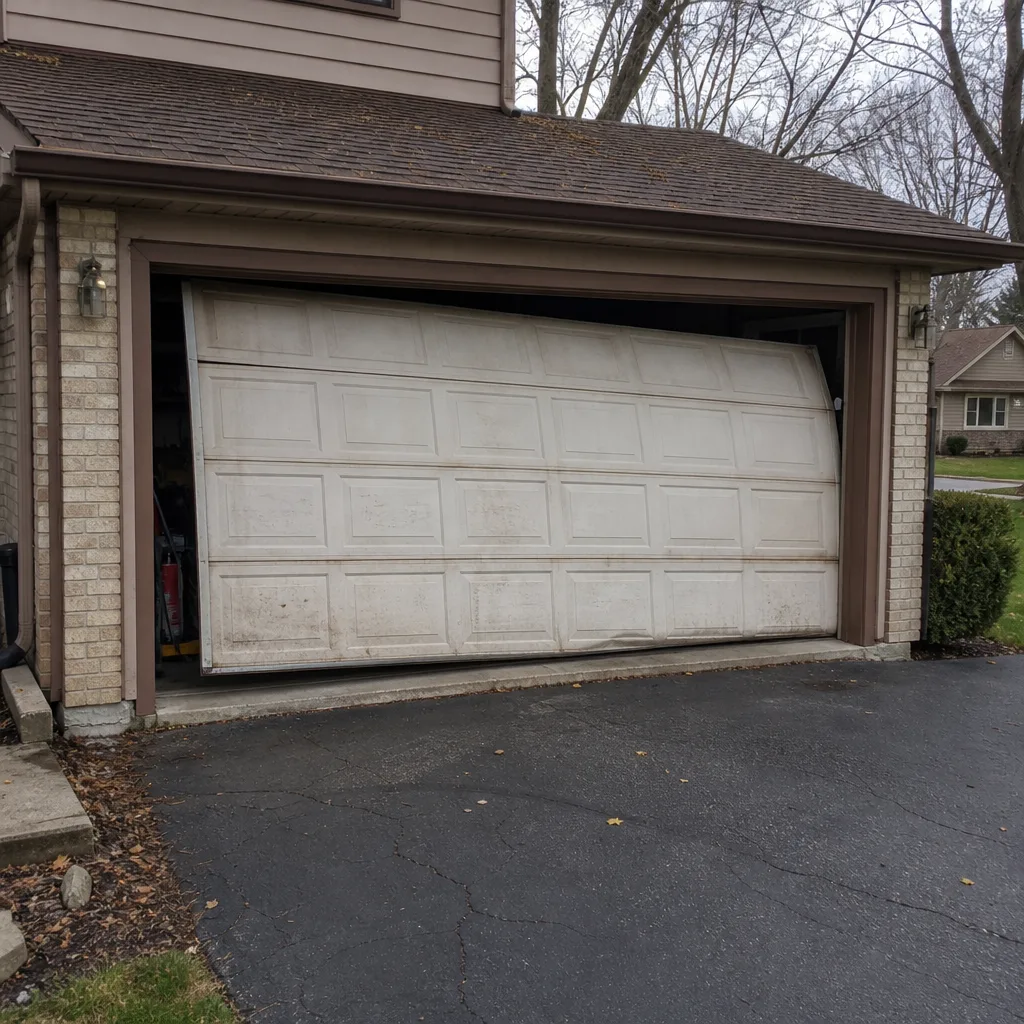 Before
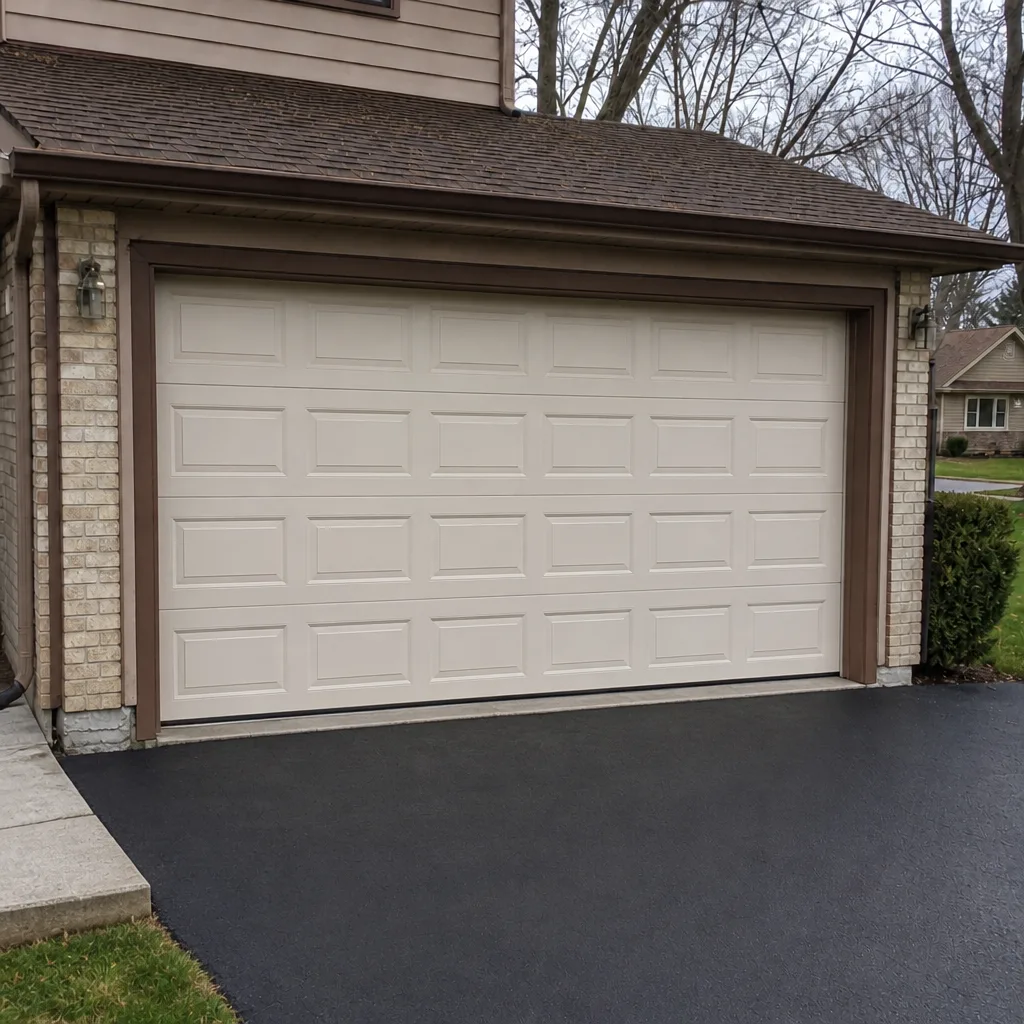 After
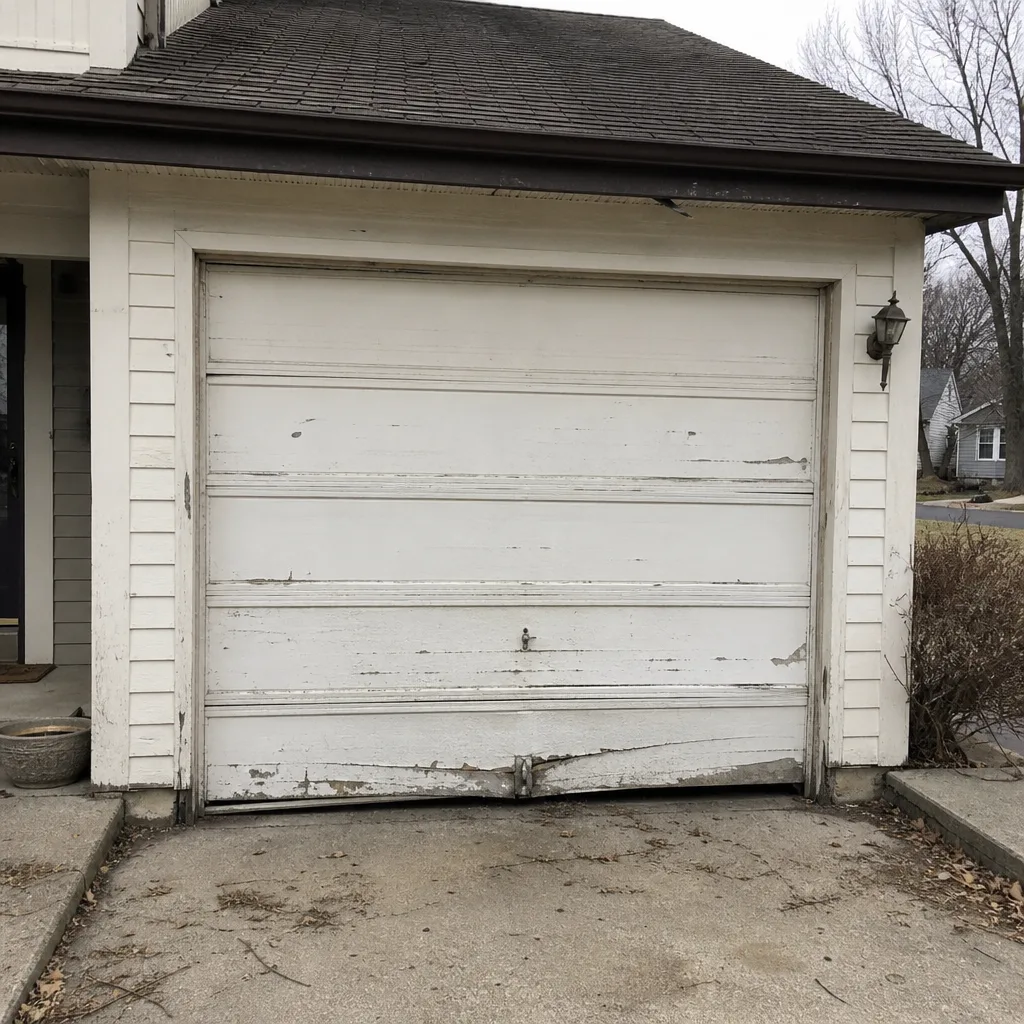 Before
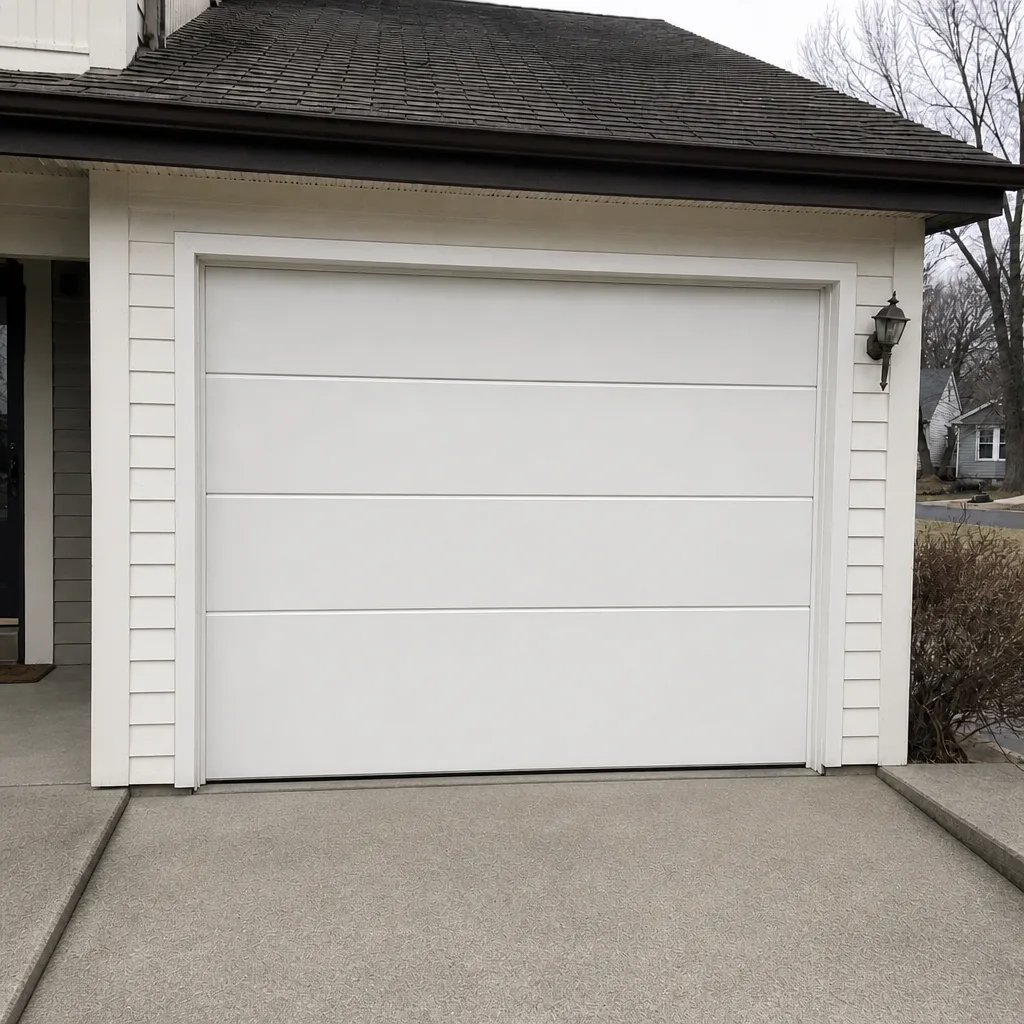 After
When to Call a Professional
Some garage door work is safe to plan and schedule. Some isn’t. Call a trained technician for anything that involves high-tension springs or cables, because those components store enough energy to cause serious injury in an instant and the work requires the right tools, winding bars, and training. Call for opener installations or repairs that involve electrical work on new circuits. Call for any new door installation where the opening size, framing, or wind load rating is a variable – the measure, the specification, and the permit conversation are part of the job. And call for emergency situations where the door has failed, is off its track, or has left the home or a vehicle exposed. Naperville Garage Door Repair Co offers free estimates in Naperville for repair, spring replacement, opener work, and new installations – call (833) 513-8805. We answer 24/7. Fast dispatch from 7am to 7pm, Sunday through Friday. The price is quoted and agreed before any work starts, and the written estimate sets the final price.
Frequently Asked Questions
For a like-for-like replacement on an unaltered opening, typically no. For a new installation that changes the opening size, touches framing, or alters anchorage, a City of Naperville permit is generally required. Ask the Building & Code Enforcement Division before work begins. Call (833) 513-8805 for a free measure and a written estimate – estimates are free.
No. Spring replacement is a mechanical repair to an existing door and doesn’t trigger a permit or inspection in Naperville. It is, however, the most safety-critical repair a garage door needs. Call before touching anything. We answer 24/7, and fast dispatch is available from 7am to 7pm, Sunday through Friday.
Usually not, when the replacement reuses existing wiring and outlets. New electrical circuits or new outlets route through electrical permitting. Confirm with your installer and with the city’s Building & Code Enforcement Division if the work touches wiring. Call (833) 513-8805 for a free estimate on opener repair or replacement.
A Naperville building inspection for permitted garage door work checks anchorage, wind load compliance, clearances, and safety devices like the auto-reverse function. Most residential inspections run under an hour on-site. It’s a code-compliance check on your specific permit scope, not a full home inspection.
Yes. Subdivisions like Ranchview and Brookdale have covenants that layer appearance rules on top of city code – style, color, panel configuration, and sometimes vendor insurance requirements. City code and HOA covenants are separate approvals, and the HOA process usually runs on its own schedule. Get HOA approval before ordering a door.
Unpermitted work typically surfaces at the disclosure stage during a home sale. The buyer’s inspector notes it, the lender may require retroactive permitting and inspection, and correction work follows if the installation doesn’t meet current code. The realistic fix is a permit and an inspection through the Building & Code Enforcement Division. Remediation is doable – it’s just expensive compared to pulling the permit originally.
The Bottom Line
Garage door permits in Naperville sit in a narrower band than most homeowners fear and a more consequential place than most contractors admit. Spring repairs and like-for-like door swaps on unaltered openings don’t need a permit. New installations that touch framing, opening dimensions, or anchorage generally do. HOA covenants in subdivisions like Ranchview and Brookdale add their own rules for style and color, and they run on a separate timeline from the city. Get the answer from the Building & Code Enforcement Division before work starts, get HOA approval before ordering a door, and get the wind load rating and permit status in writing. That’s the difference between a smooth garage door project in Naperville and a closing-day surprise.
Contact Us
For repair, spring replacement, opener work, or new installation in Naperville, call (833) 513-8805 for a free estimate. Our technicians have up to 13 years of experience with LiftMaster, Chamberlain, Genie, Clopay, Amarr, Wayne Dalton, Craftsman, and Raynor products, and we work on your brand – no favoritism, no guesswork. We answer 24/7. Fast dispatch from 7am to 7pm, Sunday through Friday. The price is quoted and agreed before any work starts, and the written estimate sets the final price. When you’re ready to move forward, our Naperville Garage Door Repair Co team is here to help.
Written by the team at Naperville Garage Door Repair Co.