
Last updated November 23, 2026
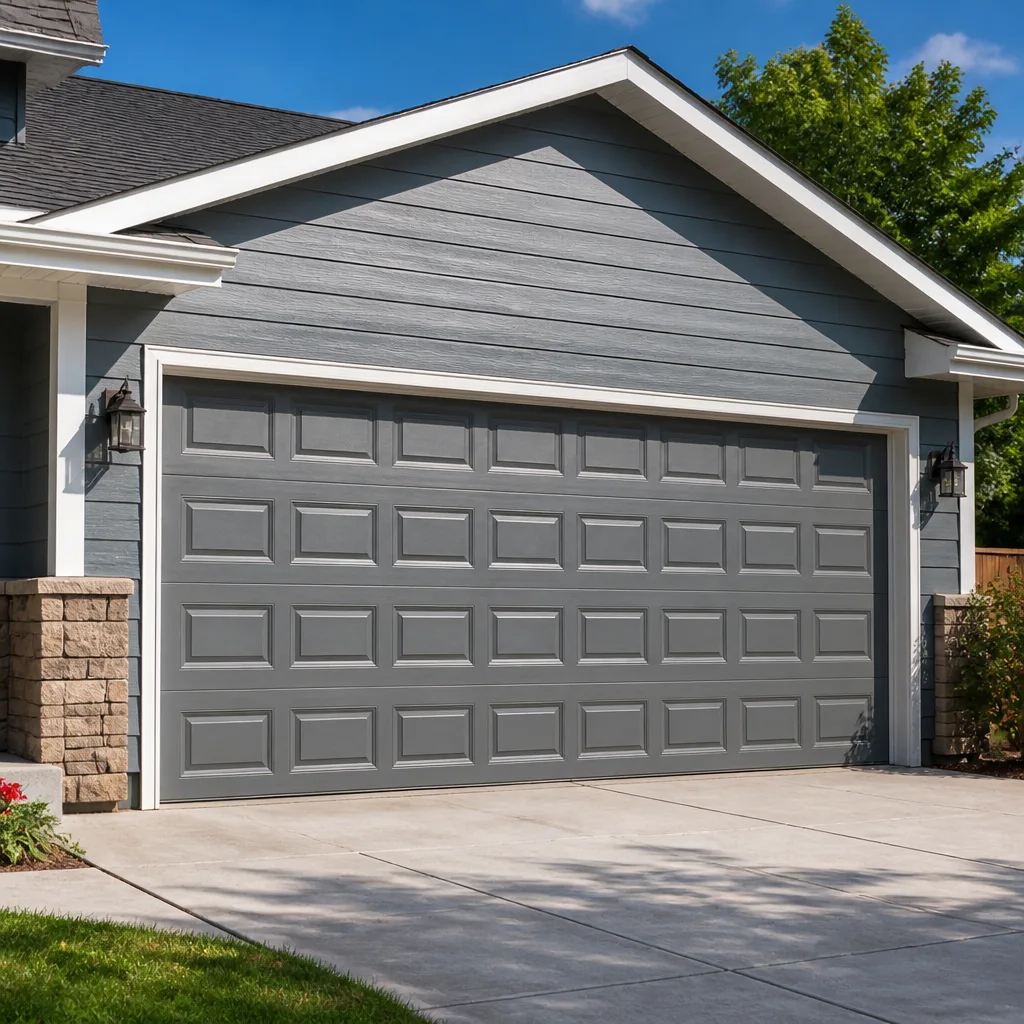 Raised-panel steel
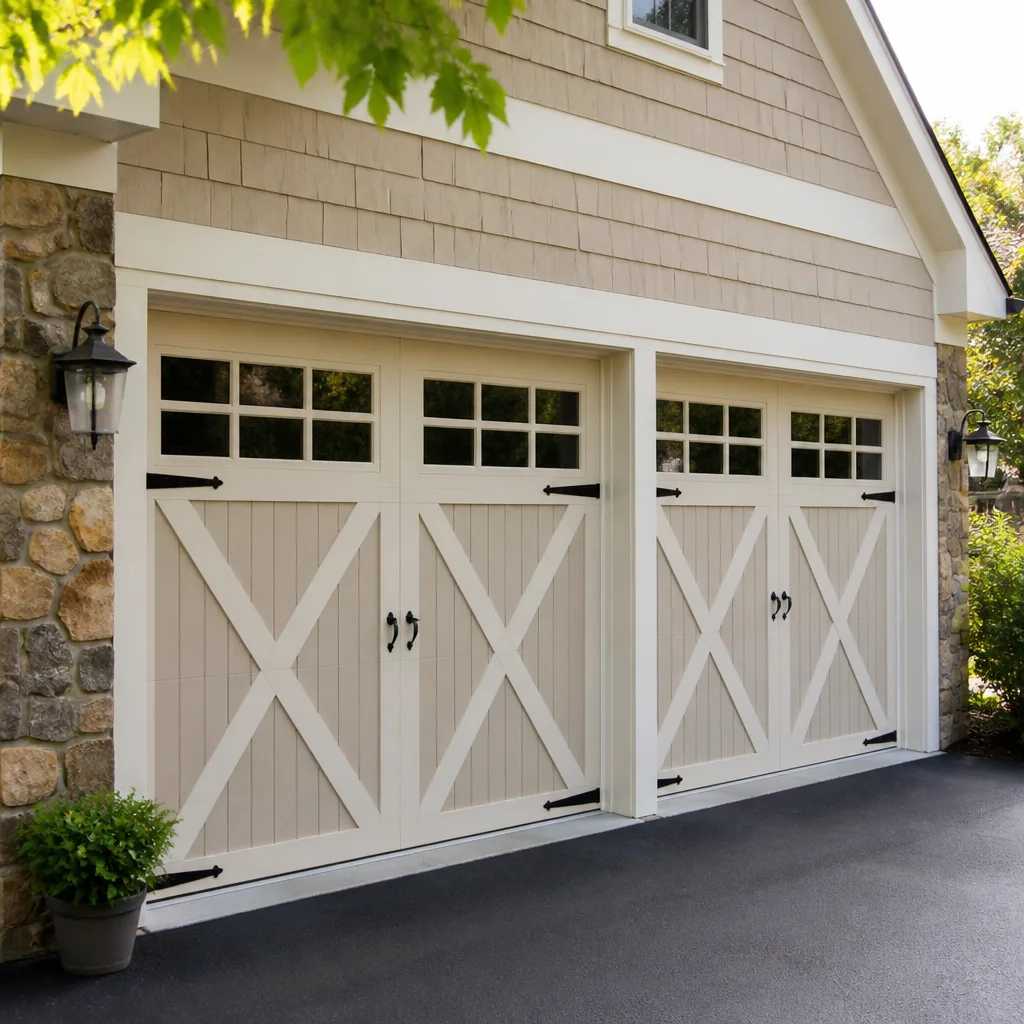 Carriage house
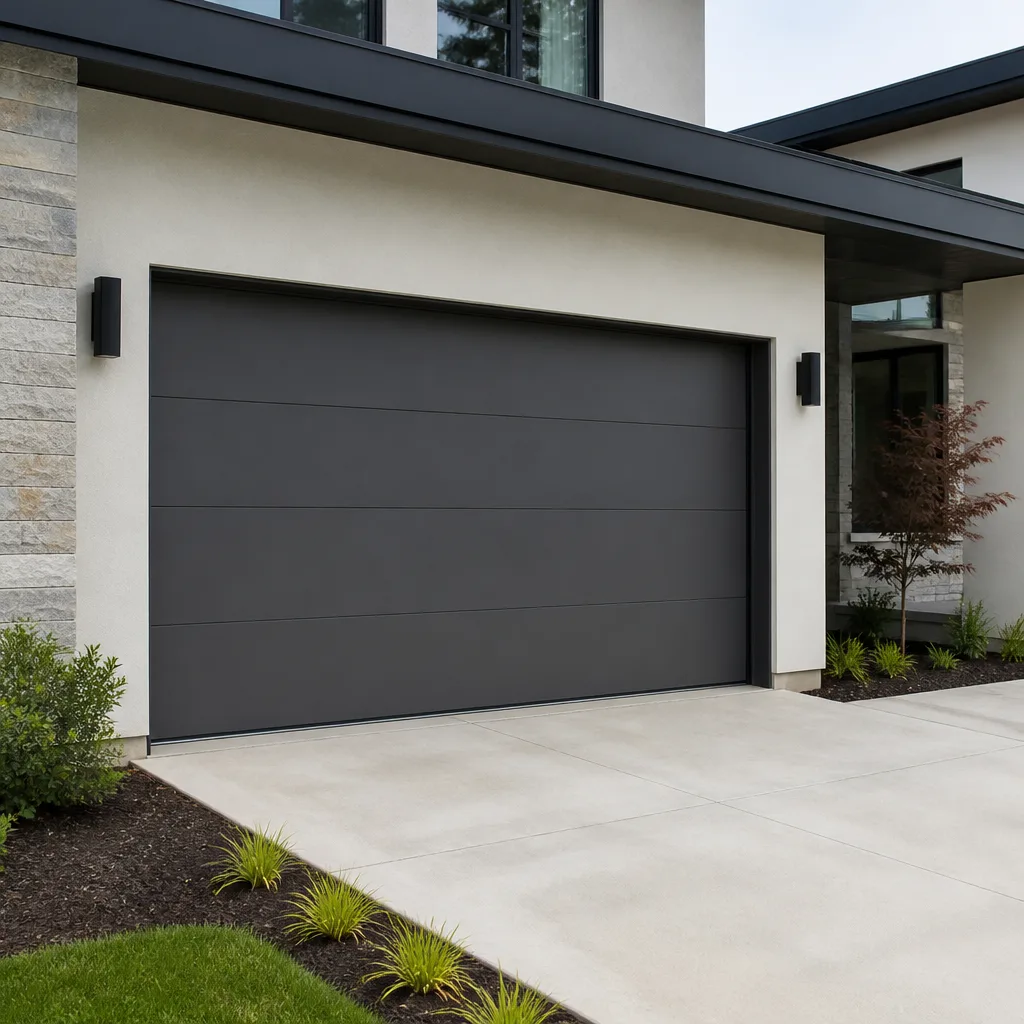 Modern flush
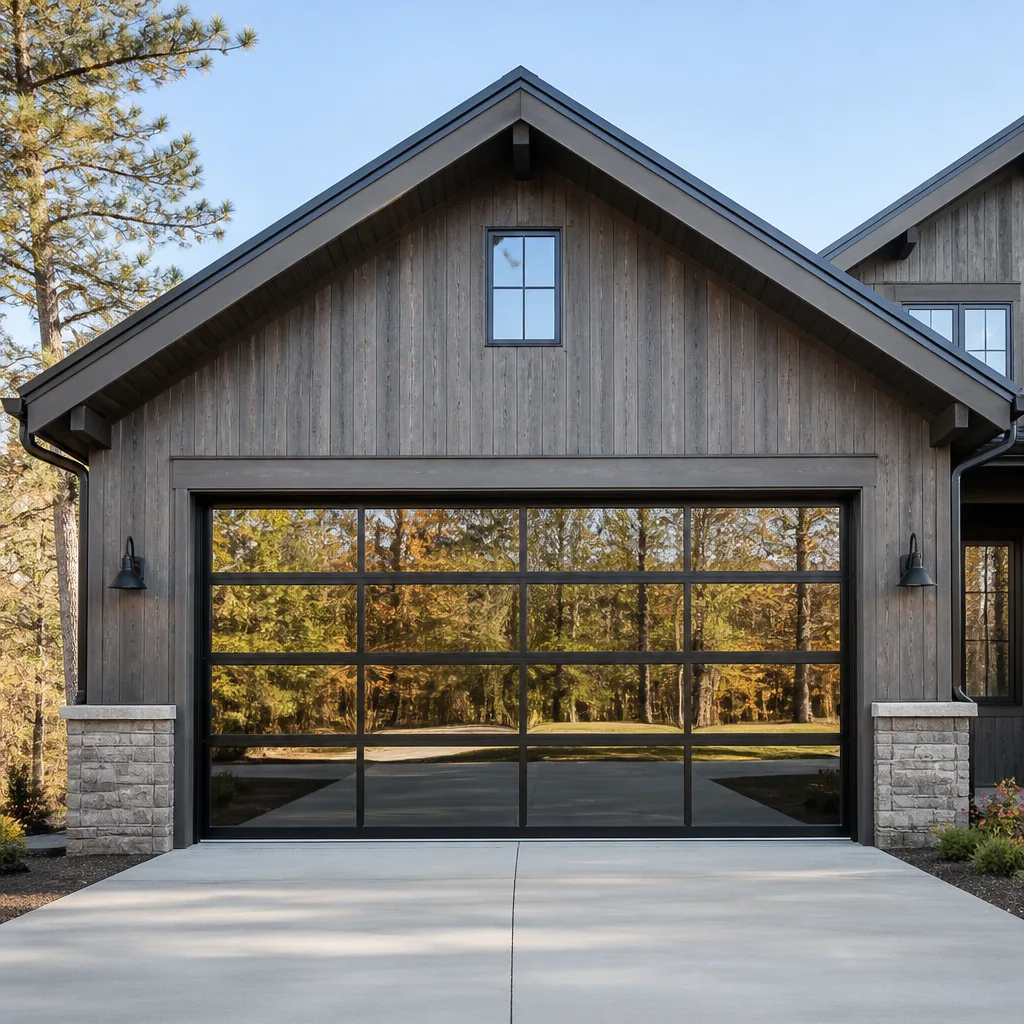 Full-view glass
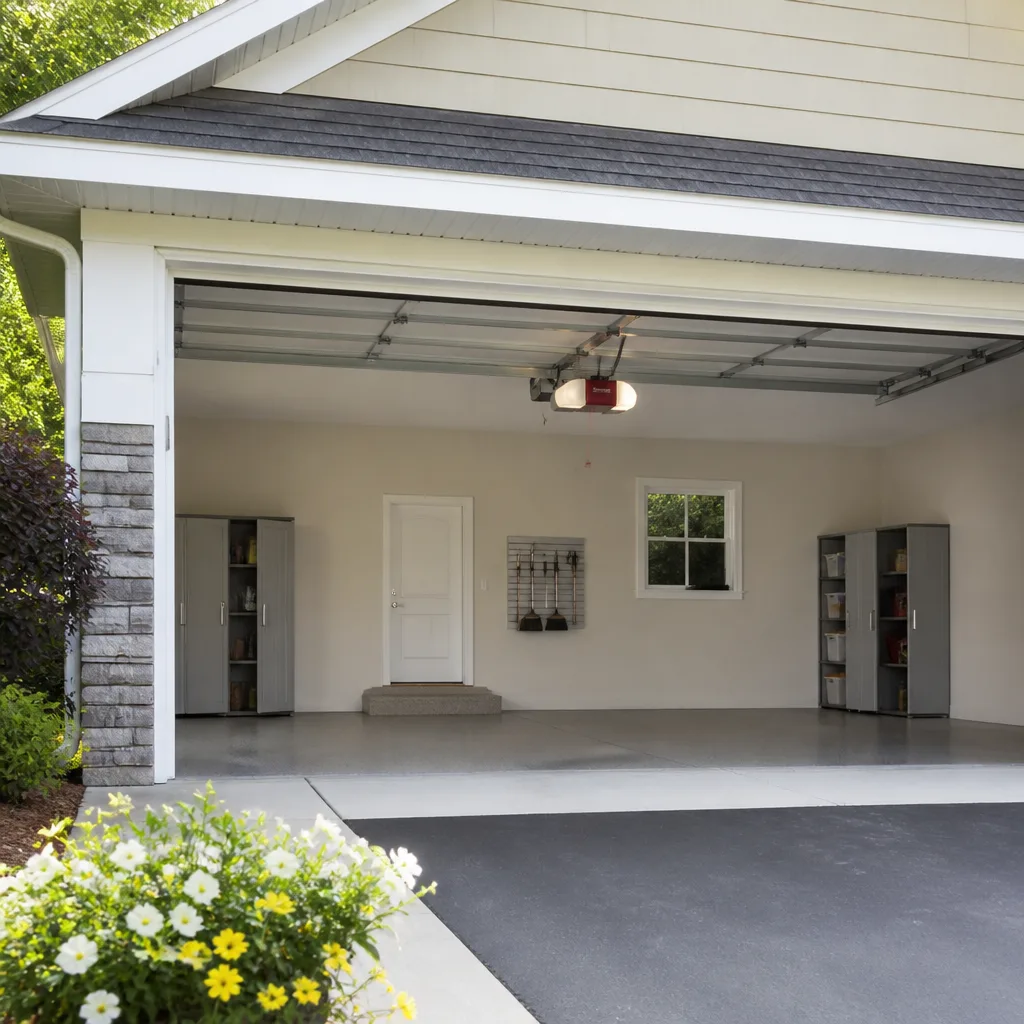 LiftMaster openers
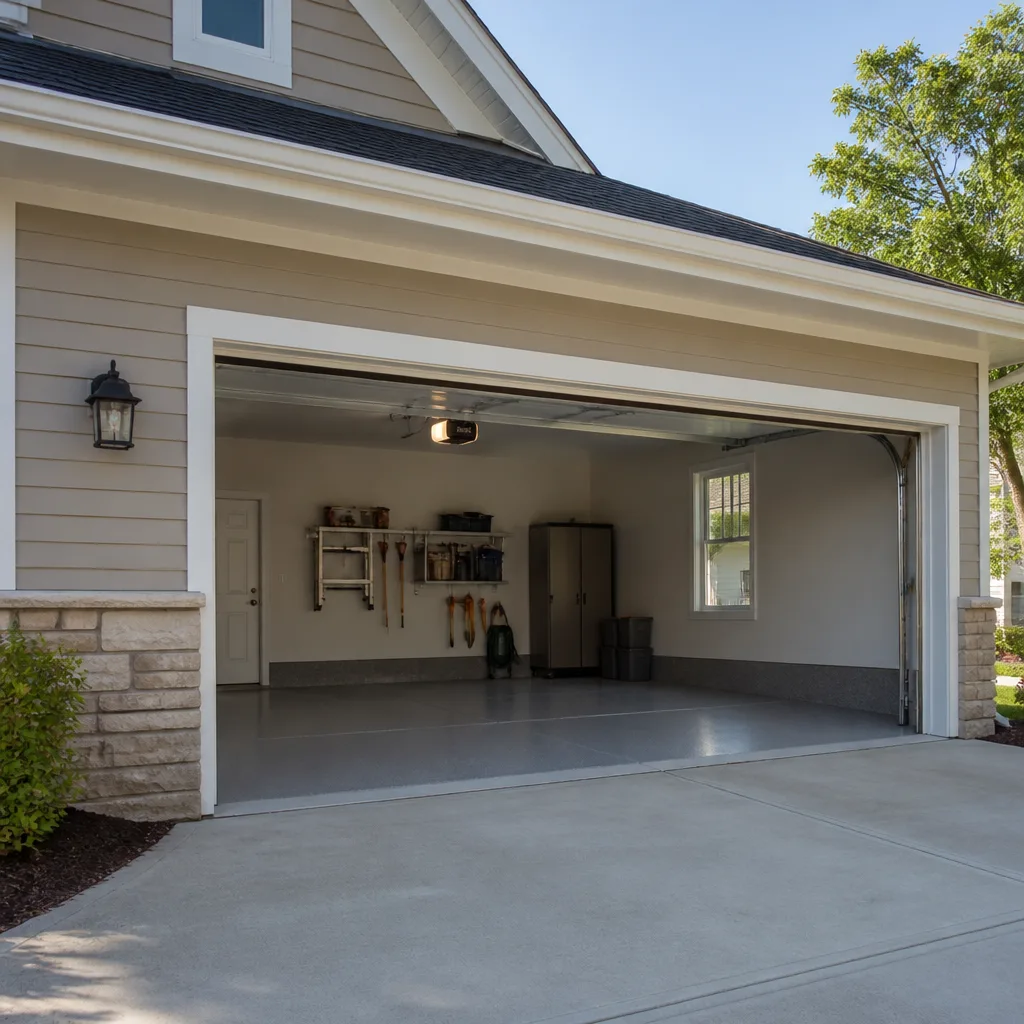 Chamberlain openers
Full 25-point door and opener safety check with every visit - springs, cables, rollers, tracks, and your LiftMaster or Chamberlain opener included
You get a price before we start. It does not change when the pro arrives.
Get your free estimateChoosing the Right Garage Door Brand: A Buyer’s Guide for Naperville
A garage door brand that performs well in Phoenix or Atlanta may be a poor choice in Naperville. The material specs that matter most in a climate that swings from 90°F summers to -10°F winters are rarely the ones featured in manufacturer brochures. Most buying guides compare colors, window options and remote features. Those are the easy parts. The hard part is figuring out which door will still open smoothly after a decade of freeze-thaw cycles, and which brand you can actually get a replacement panel for when a storm takes one out.
This guide covers what to look for in a Naperville garage door: how thermal break technology performs across Illinois’ temperature range, which brands have real parts availability in DuPage County, and how to tell whether your installer is recommending a brand because it fits your situation or because it’s the cheapest thing in their catalog. You’ll finish knowing exactly which questions to ask before you sign anything.
Quick Answer
The right garage door brand for Naperville depends on three things: how well its thermal break handles a 100-degree annual temperature swing, whether replacement parts are stocked locally in DuPage County or require a special order, and whether your installer actually works with that brand regularly. For most Naperville homes, Clopay, Amarr, Wayne Dalton and Haas are the realistic contenders, each with different strengths in insulation, dent resistance and parts availability. The brand matters less than the door’s specs matched to your specific situation.
Styles & brands we work with
- Raised-panel steel
- Carriage house
- Modern flush
- Full-view glass
- LiftMaster openers
- Chamberlain openers
Table of Contents
- Why Naperville’s Climate Changes Everything About Brand Selection
- Clopay vs. Amarr vs. Wayne Dalton vs. Haas: A Naperville Head-to-Head
- Parts Availability in DuPage County: The Reality Check
- Steel Gauge Explained: Why 25-Gauge vs. 27-Gauge Matters Here
- Polyurethane vs. Polystyrene: Which Insulation Holds Up Better
- How to Tell if Your Installer Has a Brand Bias
- How to Build Your Shortlist in Four Steps
- Common Mistakes to Avoid
- When to Call a Professional
- Frequently Asked Questions
- The Bottom Line
Why Naperville’s Climate Changes Everything About Brand Selection
Naperville sits in a climate zone that regularly delivers single-digit winter mornings and mid-90s summer afternoons. That’s a temperature swing of around 100°F over the course of a year, and every steel panel on your garage door expands and contracts through that entire range. This is not a marketing concern. It’s a mechanical one. Steel expands roughly twice as fast as the insulation core inside it, which means your door’s panels are constantly working against their own interior. Over years of freeze-thaw cycles, a door built with weak thermal breaks will start to show it: warped panels, popped seams, and a door that doesn’t sit flush when closed.
Naperville’s location in the Fox Valley also means summer humidity that runs high for months. Humid air pushes its way into every gap it can find, and garage doors that face west or south take direct sun on top of it. The same door that looks immaculate in a brochure will start to show surface rust on its hinges and bottom brackets if the brand doesn’t specify proper galvanizing on hardware.
What this means for brand selection:
- Thermal break quality matters more than R-value claims. A high R-value with a weak thermal break performs poorly after a few winters. Look for a brand that specifies its break construction.
- Galvanized hardware is not optional here. Look at the hinge and bracket finish in the spec sheet before you look at the paint color.
- Wind rating matters more than most guides admit. Naperville sees serious thunderstorm wind events in spring and summer. A door rated for wind load at the local code level beats a prettier door that isn’t.
When we evaluate a brand for Naperville customers, we start with these three specs before we talk about anything else. Our technicians have up to 13 years of experience with doors that have held up here and doors that haven’t, and the pattern is consistent: the doors that fail early almost always failed on thermal engineering, not on style.
Clopay vs. Amarr vs. Wayne Dalton vs. Haas: A Naperville Head-to-Head
The four most common brands that come up for Naperville homeowners looking at mid-range to premium steel doors are Clopay, Amarr, Wayne Dalton and Haas. Each has real strengths, and each has situations where it’s the wrong call. Here’s how they compare on the criteria that actually matter in this climate.
Clopay
Clopay is the largest residential garage door manufacturer in the country, and its biggest advantage is depth of catalog. It covers entry-level steel doors all the way up to insulated carriage-house styles, and it has strong dealer infrastructure throughout the Chicago suburbs. On thermal performance, Clopay’s premium lines use polyurethane insulation with a well-documented thermal break, which handles Naperville’s winter cold better than its basic lines. Where Clopay can fall short is at the entry level: the least expensive Clopay models are often thinner-gauge steel with polystyrene cores, and those are the ones that show denting and insulation degradation fastest in our weather. Warranty coverage varies by line, so read it per model, not per brand.
Amarr
Amarr is a strong contender for homeowners who want more insulation per dollar. It uses polyurethane cores across more of its lineup than many competitors, and its thermal break construction is solid for the local climate. Amarr’s weakness in Naperville specifically is parts availability: while it has distributor reach into the Chicago area, replacement panels sometimes take longer to source than Clopay or Wayne Dalton equivalents. If your priority is long-term insulation performance and you can accept a special order timeline for a rare part, Amarr is a reasonable choice.
Wayne Dalton
Wayne Dalton is often the easiest brand to recommend for two reasons: local parts flow and price-to-spec ratio. Its Classic Steel and Thermowayne lines are well-suited to Naperville, and distributors throughout DuPage County tend to carry Wayne Dalton stock, which matters when you need a panel after storm damage. The 9100 and 9600 series use polyurethane insulation and hold up well through temperature swings. Wayne Dalton’s downside is that its entry-level doors use polystyrene, so the lineup is inconsistent: some doors in the catalog are excellent for our climate, and some are not.
Haas
Haas is the smallest of the four, and that shows up in two ways. On the positive side, Haas builds a solid door with good engineering and often uses better steel gauge at mid-range price points than the bigger brands. On the negative side, parts availability is the weak spot. A Haas replacement panel in Naperville often means a special order of two to three days at best, sometimes longer. If you have a simple rectangular door with no windows or complex sections, Haas is a good value. If you have a custom layout or want the fastest possible replacement timeline, know what you’re getting into.
The takeaway isn’t that one brand wins. It’s that within each brand there’s a door that fits Naperville and a door that doesn’t, and you have to look at the specific model number before you decide.
Parts Availability in DuPage County: The Reality Check
Nobody thinks about parts availability when they’re buying a door. Everyone thinks about it the day a panel gets dented and they need a replacement. In Naperville, parts availability is a real differentiator, and it varies more than the brochures suggest.
Here’s the practical breakdown:
- Fast availability (typically stocked or readily sourced in DuPage County): Clopay and Wayne Dalton. Distributors in the area carry common sizes and panel styles, which means most repairs can proceed without weeks of waiting.
- Reasonable availability but not always immediate: Amarr. Common parts are generally accessible, but unusual panel styles or colors may need a special order.
- Special-order territory: Haas and certain specialty lines. You may wait two to three days minimum, sometimes longer, for non-stocking parts.
Why does this matter for a storm-damaged door in Naperville? Because a garage door that can’t close all the way is a security problem, and a door that can’t open is an access problem. If your car is in the garage and the door won’t lift, waiting three days for a special-order bracket is not a real option. The brands with local parts flow keep that wait short.
The flip side: don’t over-index on parts availability if you’re buying a door with unusual features. A custom-carved door from any brand will involve custom-order parts when something fails. Plan for it with any brand that has complex geometries, and remember that repair and installation need to be seen as one connected decision. Our garage door installation work always factors in what the parts situation looks like two years down the road, not just today.
If a damaged panel is already a problem you’re dealing with, our garage door repair team can tell you what’s available locally and how soon.
Steel Gauge Explained: Why 25-Gauge vs. 27-Gauge Matters Here
Steel gauge is the most under-explained spec in the entire garage door market. Lower numbers mean thicker steel. A 25-gauge door has noticeably thicker steel than a 27-gauge door, and in a climate that sees hail and wind-driven debris in the spring, that difference shows up in dent resistance. Two doors can sit side by side, both labeled “mid-range steel,” and one will use 25-gauge construction on the outer skin while the other uses 27-gauge.
Why does this matter in Naperville specifically? Because hail is uncommon in this part of Illinois, but it does happen, and wind-driven debris from storms is a genuine annoyance. A 27-gauge door that shrugs off a light hailstorm in a milder climate will show dents here after a decade of storms. A 25-gauge door with the same usage tends to hold its shape longer.
Here’s a quick reference for the next time you’re looking at a spec sheet:
- 24-gauge is the thicker end of the residential range, usually found on premium insulated doors.
- 25-gauge is a solid mid-range spec and worth asking for if you live anywhere with real weather.
- 26-gauge and 27-gauge are the thinner end of the market, common in entry-level doors and thinner premium doors.
- 28-gauge is the thinnest you’ll see on residential doors, usually entry-level only.
The important nuance: gauge alone doesn’t determine dent resistance. Panel construction, steel alloys and the presence of internal reinforcement all play a role. But if you’re comparing two doors at similar price points and one lists 25-gauge while the other lists 27-gauge, that spec is telling you something real about long-term durability in a Naperville climate.
Ask for the gauge in writing. If a brand’s spec sheet doesn’t list it, that’s worth noting.
Polyurethane vs. Polystyrene: Which Insulation Holds Up Better
Garage door insulation is the difference between a door that feels cold to the touch in January and one that feels like a wall. But the type of insulation matters more than the R-value sticker, especially in Naperville’s temperature swings.
There are two main types of insulation used in residential garage doors:
- Polyurethane: Denser, more stable, and it holds its R-value through temperature cycles. Polyurethane doors typically retain their insulating performance better after years of freeze-thaw.
- Polystyrene: Lighter, less expensive, and more prone to losing R-value over time as temperature cycles cause it to degrade. This is what you’ll find in most entry-level “insulated” doors.
Here’s the crux: manufacturers advertise R-values that are measured at a single temperature. Those numbers don’t tell you how the insulation performs at -10°F or at 95°F. Polyurethane typically holds up better at the extremes because its cellular structure is more stable across temperature ranges. Polystyrene degrades faster and often loses meaningful performance after a few winters of real Naperville weather.
The nuance most buyers miss: polyurethane’s advantage matters more in a garage door than in a wall because a garage door is only 1-3/8 to 2 inches thick. Every bit of insulation stability counts. If you’re heating or cooling your garage, or if you use it as a workspace or an extra room in the summer, polyurethane is the smarter choice. If your garage is strictly storage and you’re not conditioned, polystyrene can be acceptable, but expect faster degradation and look for a warranty that covers it.
The R-value conversation also intersects with opener choice. An insulated door is heavier than an uninsulated one, and a garage door opener repair call often turns up an undersized opener that was matched to a lighter door. If your current opener is a Craftsman or a Chamberlain from years ago, upgrading to an appropriately rated LiftMaster or Genie model is often part of a new-door decision, not a separate one.
How to Tell if Your Installer Has a Brand Bias
Every installer has brands they prefer. That’s not inherently a problem, because installers who work with a brand every week know its quirks and can install it faster and better. The problem is when “I prefer this brand” becomes “this is the only brand I’ll show you,” especially when the reasons are commercial rather than technical. Here’s how to tell the difference.
The Installer Is Being Straight With You If:
- They walk you through at least two or three brands at your price point and explain the tradeoffs.
- When you ask “why this brand,” they answer with specifics about the door’s construction, not the brand’s marketing.
- They tell you which parts are stocked locally and which require special order, without prompting.
- They mention what they don’t like about the door they’re recommending, not just what they do like.
- They ask about your garage’s specific layout, sun exposure and insulation needs before naming a brand.
Watch for These Signals:
- Only one brand is presented, at every price point.
- The recommendation is heavy on “best seller” or “most popular” and light on technical detail.
- They can’t tell you the steel gauge or the insulation type without checking the catalog.
- Price quotes vary wildly for similar-spec doors, suggesting margin differences rather than quality differences.
- They discourage questions about warranty terms.
An honest installer might have a preferred brand for your situation, and that’s a fine starting point. The question is whether they can justify it beyond “we like working with them.” A brand relationship is real leverage: the installer knows the distributor, the field rep and the warranty process. That’s worth something. But it shouldn’t override the door’s suitability for your Naperville home.
How to Build Your Shortlist in Four Steps
Brand selection doesn’t have to be agonizing. Here’s a straightforward process that keeps the decision focused on what actually matters.
- Measure your garage opening and note sun exposure. Door size determines which models are available. West- and south-facing doors need better UV resistance in their finish. Note both before you look at catalogs.
- Set your insulation requirement first. Decide whether you need polyurethane (congested or conditioned garage, or a garage used as an extra room) or whether polystyrene is genuinely acceptable for your situation. This one decision eliminates half the market.
- Ask about parts availability for each of your finalists. For Clopay, Wayne Dalton and Amarr, ask the installer what common replacement parts look like in DuPage County. Ask specifically about the panel size you’re buying, not generic availability.
- Get two or three written quotes on comparable doors. Compare steel gauge, insulation type, thermal break construction and warranty terms line by line, not just the bottom-line price. A $300 difference rarely reflects a 300-dollar quality difference; it usually reflects a spec difference somewhere in the sheet.
Once you’ve narrowed it down, ask your installer to show you the specific door in a showroom or, if you can’t visit one, at least a comparable installed door. Our team works with Clopay, Amarr, Wayne Dalton, Craftsman, Raynor and other major brands, and our job in the consultation is to match the door to the home, not to sell you the brand with the best margin. That’s why we cover repair and replacement under one call, and why we won’t recommend a door we don’t think will hold up through a full Naperville year. When you’re ready to look at full replacement, our Naperville Garage Door Repair Co team can walk you through it in person.
Common Mistakes to Avoid
- Buying on R-value alone. A high R-value means little if the thermal break is weak and the insulation degrades after a few Naperville winters. Ask for thermal break construction details alongside the R-value.
- Skipping the parts availability question. Homeowners in Naperville who choose a specialty-brand door sometimes discover that a replacement panel takes two to three weeks. Ask before you buy, not after a storm.
- Ignoring steel gauge in mid-range doors. Two doors at similar prices can differ between 25-gauge and 27-gauge steel, and that difference shows up in dent resistance. Get the gauge in writing.
- Mixing insulation types across your door lineup. If you’re replacing multiple doors, choose the same insulation type across all of them so your garage’s thermal behavior stays consistent.
- Under-sizing the opener for a heavier door. Insulated doors weigh more, and an old opener sized for an uninsulated door will wear out faster or fail outright. Match the opener to the door’s weight rating, not the old door’s.
- Signing a quote without comparing comparable specs line by line. Price is the last thing to compare, not the first. Compare gauge, insulation, thermal break, warranty and local parts availability before you compare the total.
- Assuming national brand prominence equals better local performance. A brand that dominates sales nationally may still be the wrong choice for a west-facing door in Naperville, or for a garage that’s used as a workshop. Local fit beats national recognition.
When to Call a Professional
Some garage door decisions need a trained eye. If you’re replacing a door with a high insulation requirement, if your home has an unusual opening size or architectural constraint, or if you’re weighing options between two brands that look nearly identical on a spec sheet, an in-person consultation is worth the time. The same applies to any question about whether your current door’s failure is a repair or a replacement signal. We can also help if a storm has compromised a panel and you need to know which brands will get you a matching replacement fastest.
If your situation involves a broken spring, a door off its track, or an opener that won’t respond, those need professional attention. Springs are the most dangerous component on a garage door because they’re under extreme tension, and they need a trained technician every time. Naperville Garage Door Repair Co offers free estimates in Naperville. Call (833) 513-8805. We answer 24/7. Fast dispatch from 7am to 7pm, Sunday through Friday.
Frequently Asked Questions
There’s no single best brand, but for most Naperville homes the realistic top tier is Clopay, Amarr, Wayne Dalton or Haas, each selected within its lineup for polyurethane insulation and a properly specified thermal break. Wayne Dalton and Clopay have the best parts availability in DuPage County. Amarr and Haas have stronger insulation per dollar but slower special-order timelines for rare parts. Call (833) 513-8805 for an exact quote on any of them. Estimates are free.
Yes, because thicker steel (25-gauge vs. 27-gauge) resists denting better through years of storm debris and the occasional hailstorm. Hail is uncommon here but not unheard of, and wind-driven debris over a decade adds up. Two doors at similar prices can differ on gauge, so ask for the spec in writing before you decide. Call (833) 513-8805 to talk through your options; estimates are free.
In Naperville, usually yes, especially if your garage is conditioned, used as a workshop, or faces west or south. Polyurethane holds its R-value more consistently through the temperature swings here, while polystyrene degrades faster. If your garage is strictly storage and never conditioned, polystyrene is acceptable but plan for shorter insulation life. Call (833) 513-8805 for a quote on either option.
For Haas and some specialty brands, expect a two-to-three day minimum, sometimes longer for unusual colors or custom layouts. Clopay and Wayne Dalton common sizes are typically available faster through local distributors. The exact timeline depends on your door’s model and the part needed, so ask before you commit to a brand. Call (833) 513-8805 and we’ll tell you what’s realistic for your specific door.
Possibly. If you’re moving from an uninsulated door to an insulated one, the door is heavier and your current opener may be undersized. Most modern openers from LiftMaster, Chamberlain, Genie and Craftsman handle a range of door weights, but the opening force and travel limits need to be reset for the new door. Call (833) 513-8805 if you want us to check whether your current opener can handle the brand you’re considering.
Most cities require a permit for structural changes, but like-for-like garage door replacement is often a simpler process. The specifics depend on your home and whether the door size, location or structural connection changes. Check with Naperville’s building department on your specific project before work starts, and ask your installer what they include in the permit process. Call (833) 513-8805 if you want to talk through the installation side first.
The Bottom Line
Choosing a garage door brand for a Naperville home is a technical decision disguised as a style decision. The brands that perform well here are the ones that handle a 100-degree annual temperature swing, offer parts availability in DuPage County, and use polyurethane insulation and 25-gauge or thicker steel across the models you’re actually considering. Clopay, Amarr, Wayne Dalton and Haas each have doors that fit and doors that don’t, so the model number matters more than the brand name. Read the spec sheet, ask about parts, and pick an installer who can talk through the tradeoffs rather than naming one brand and stopping there.
When you’re ready to move from research to a real quote, our team can walk through the options in person. Our technicians have up to 13 years of experience with the brands in your garage today and the doors you might install next. We handle spring repair, opener service and full installation under one contact so you don’t need to find a second company. We work on the brand that’s already on your home, and we’ll recommend the one that fits what you’re trying to build. Call (833) 513-8805. We answer 24/7. Fast dispatch from 7am to 7pm, Sunday through Friday.
Written by the team at Naperville Garage Door Repair Co.
See the difference
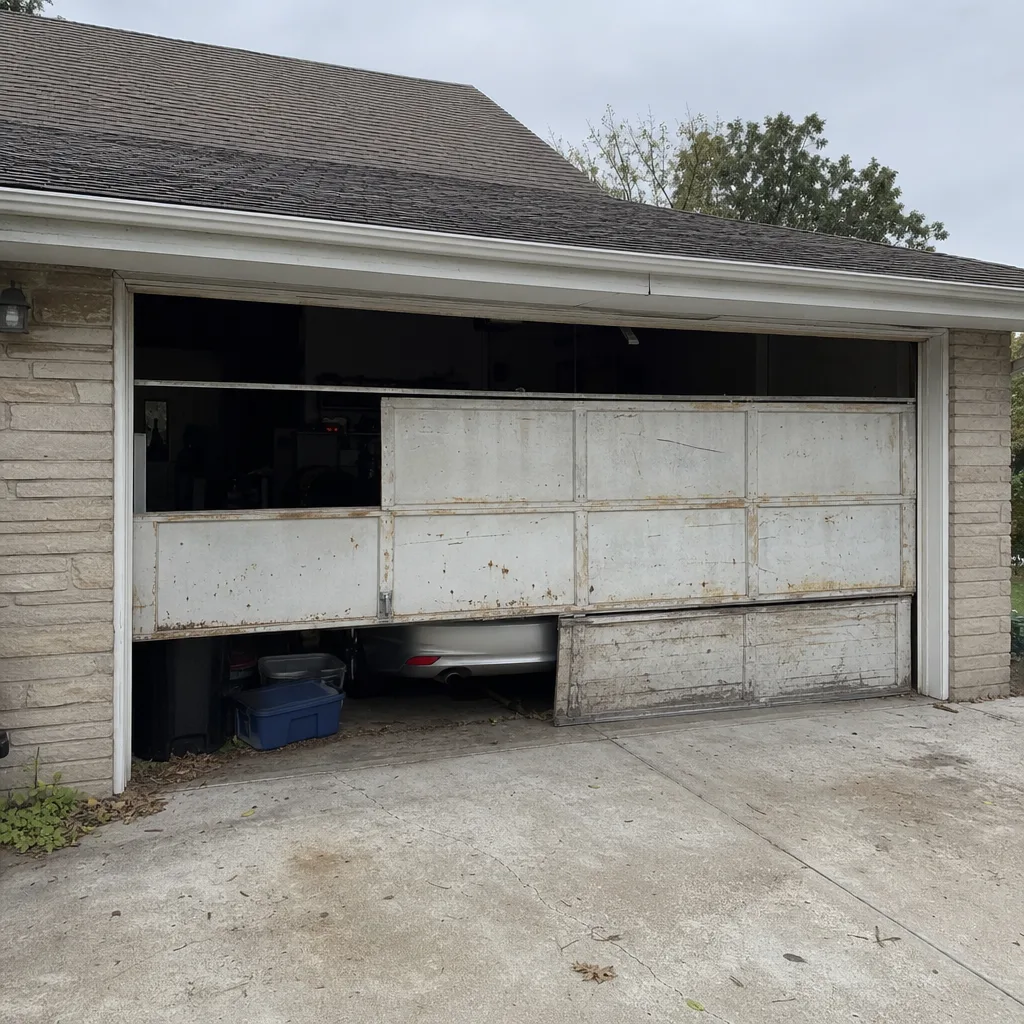 Before
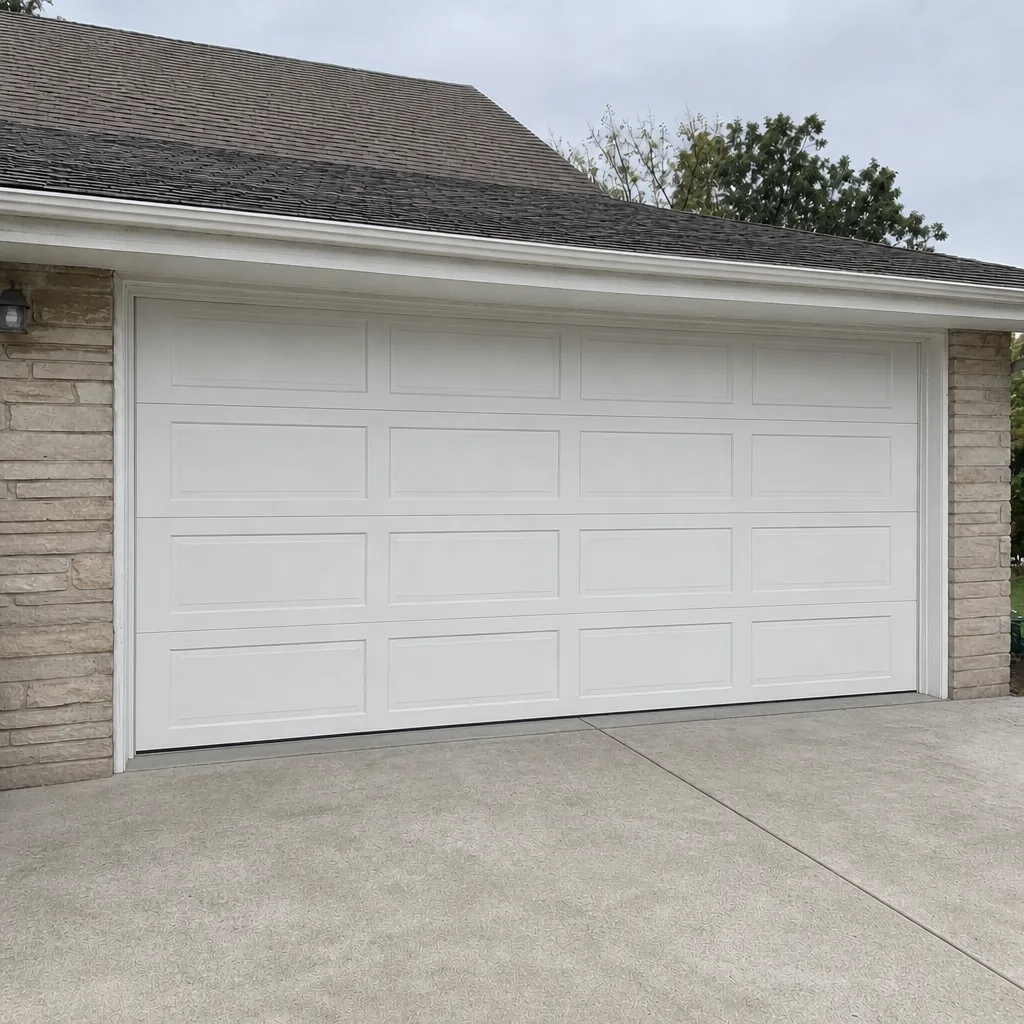 After
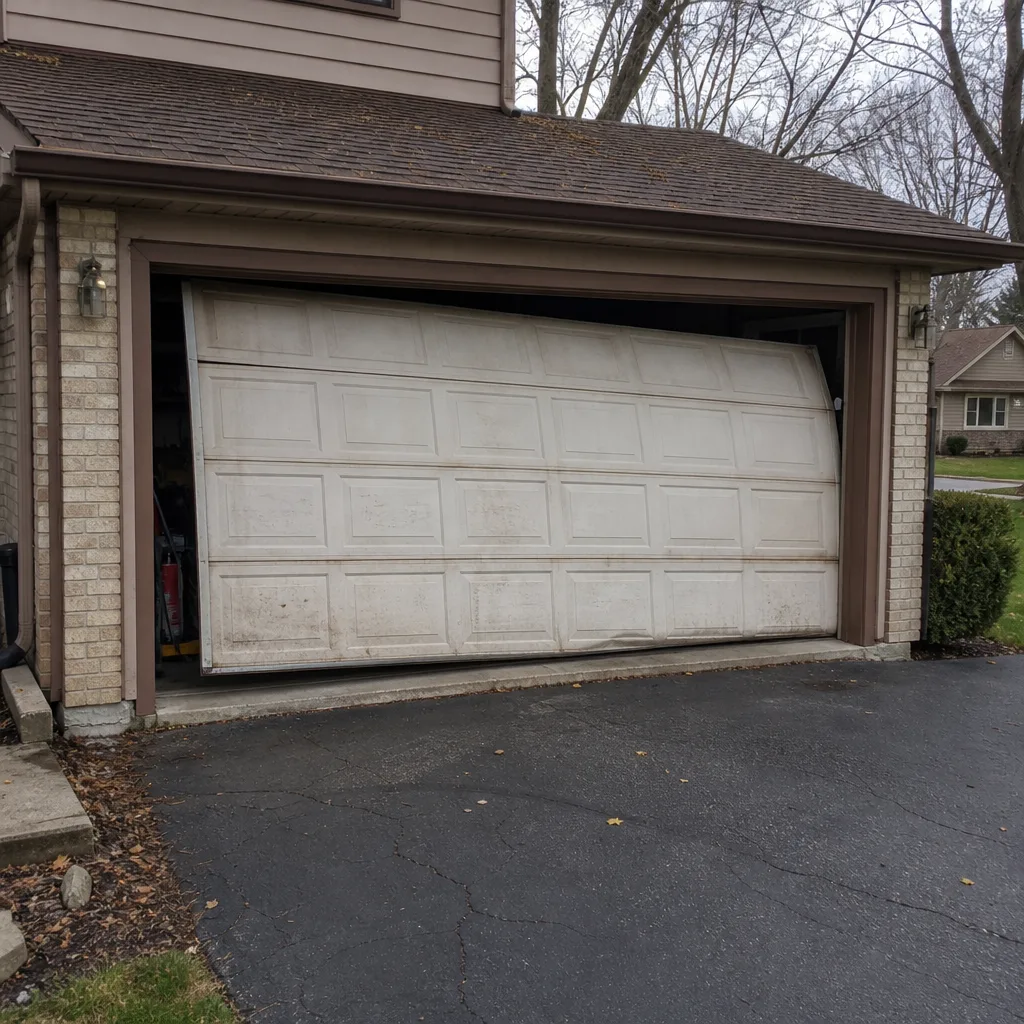 Before
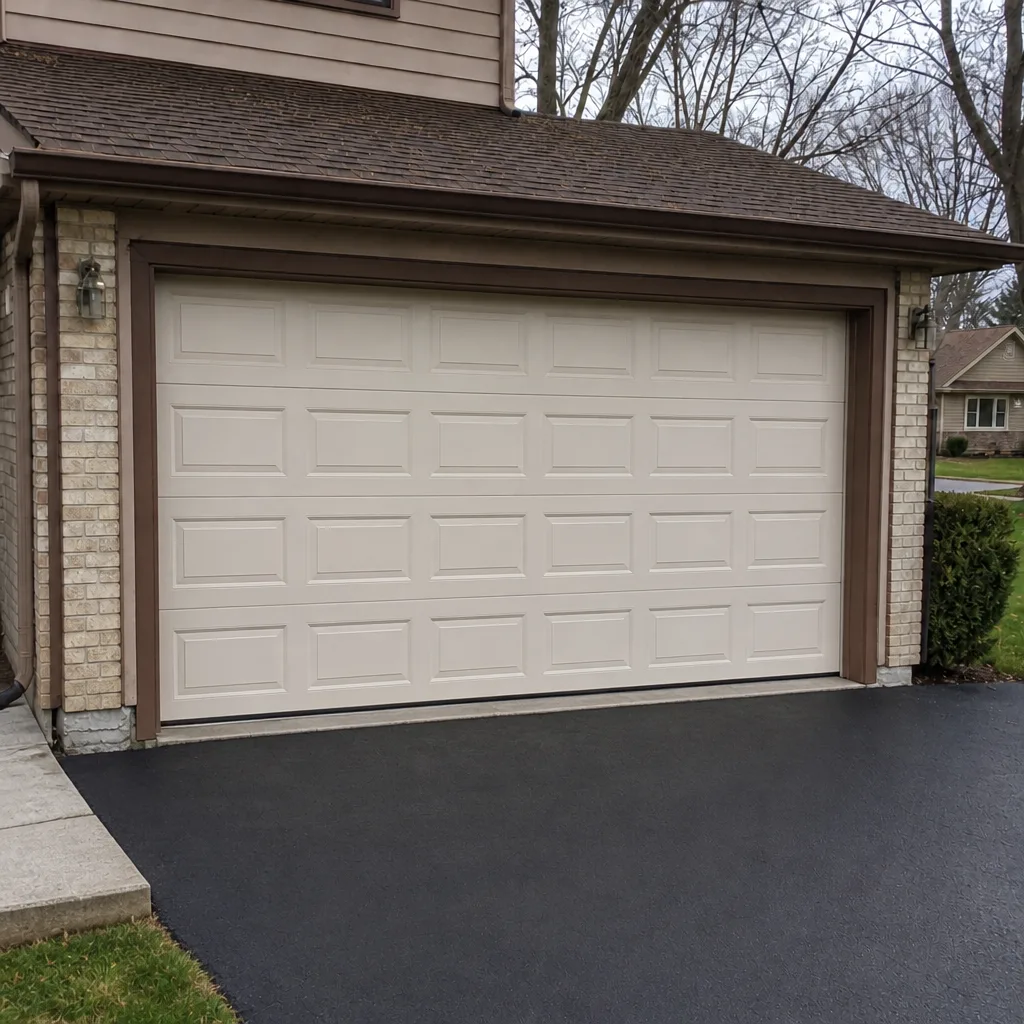 After
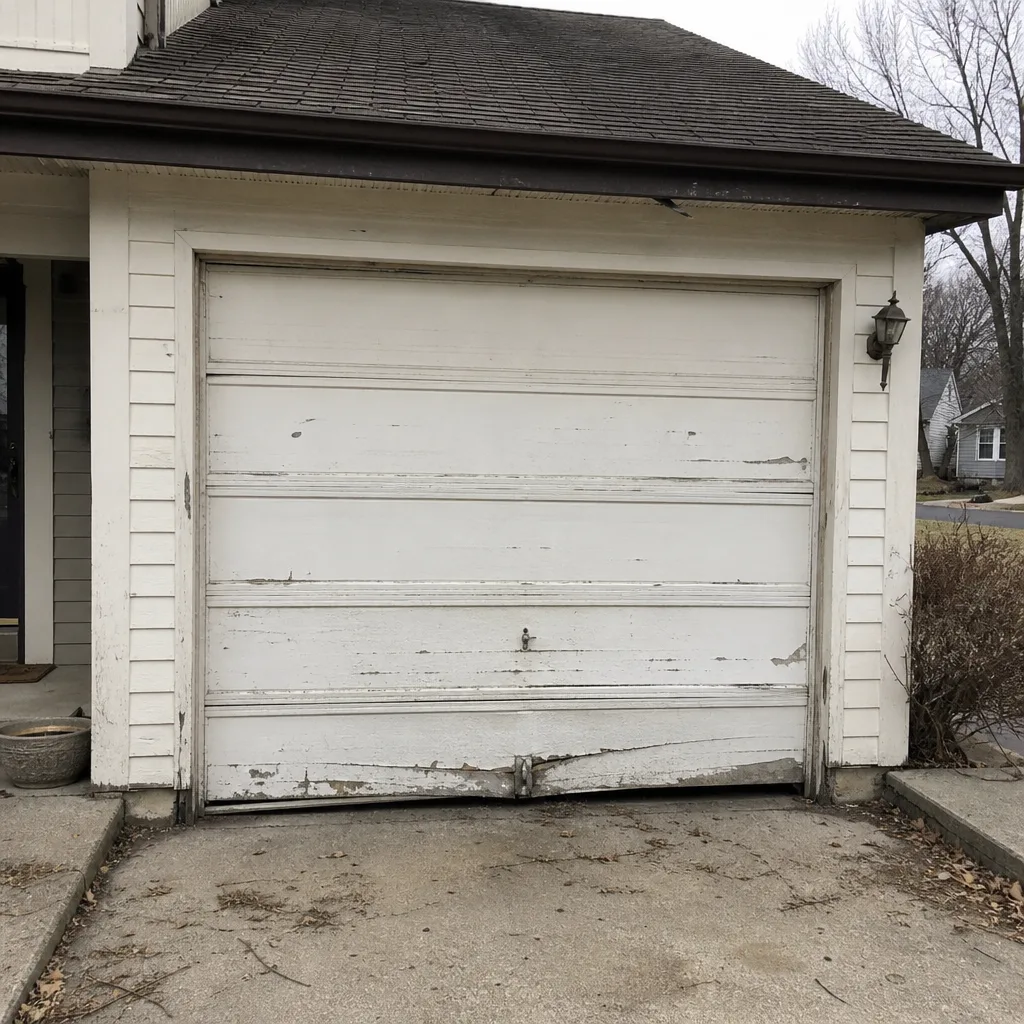 Before
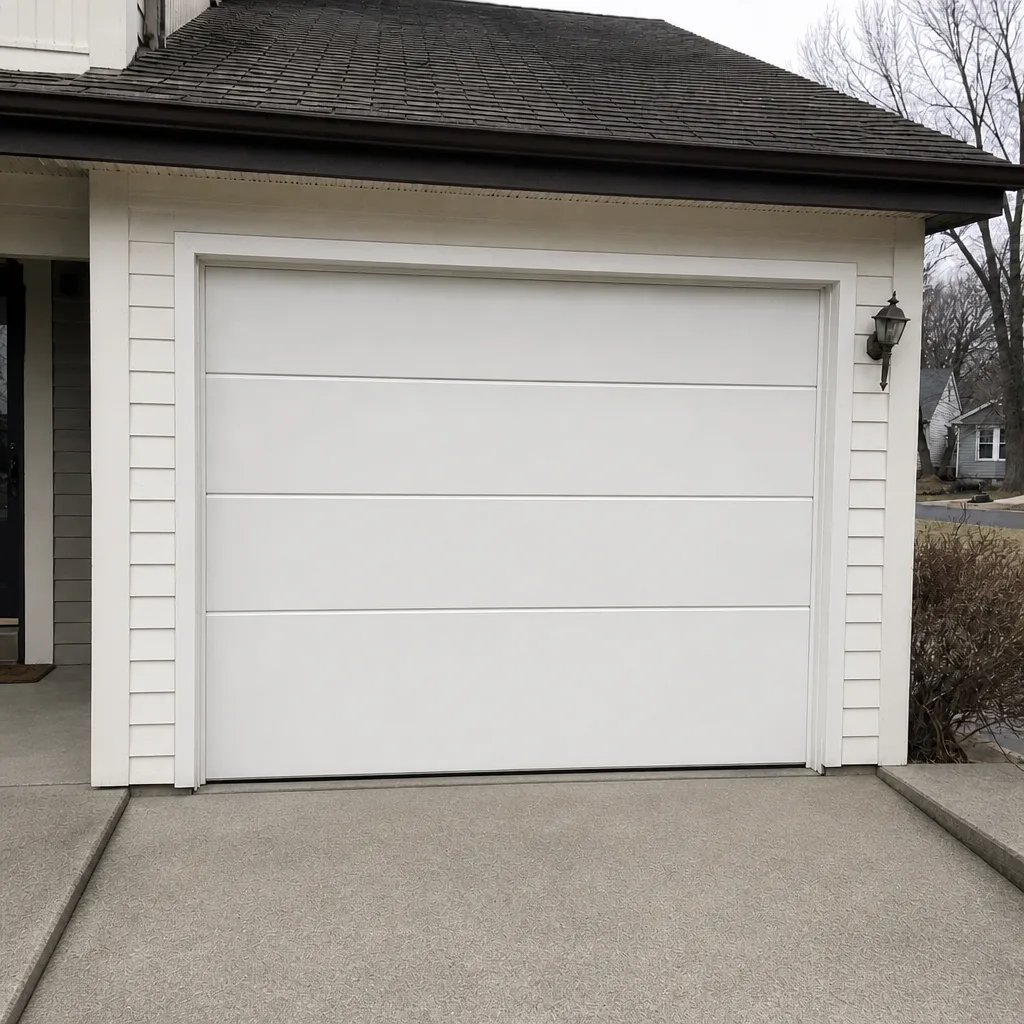 After