
Last updated November 23, 2026
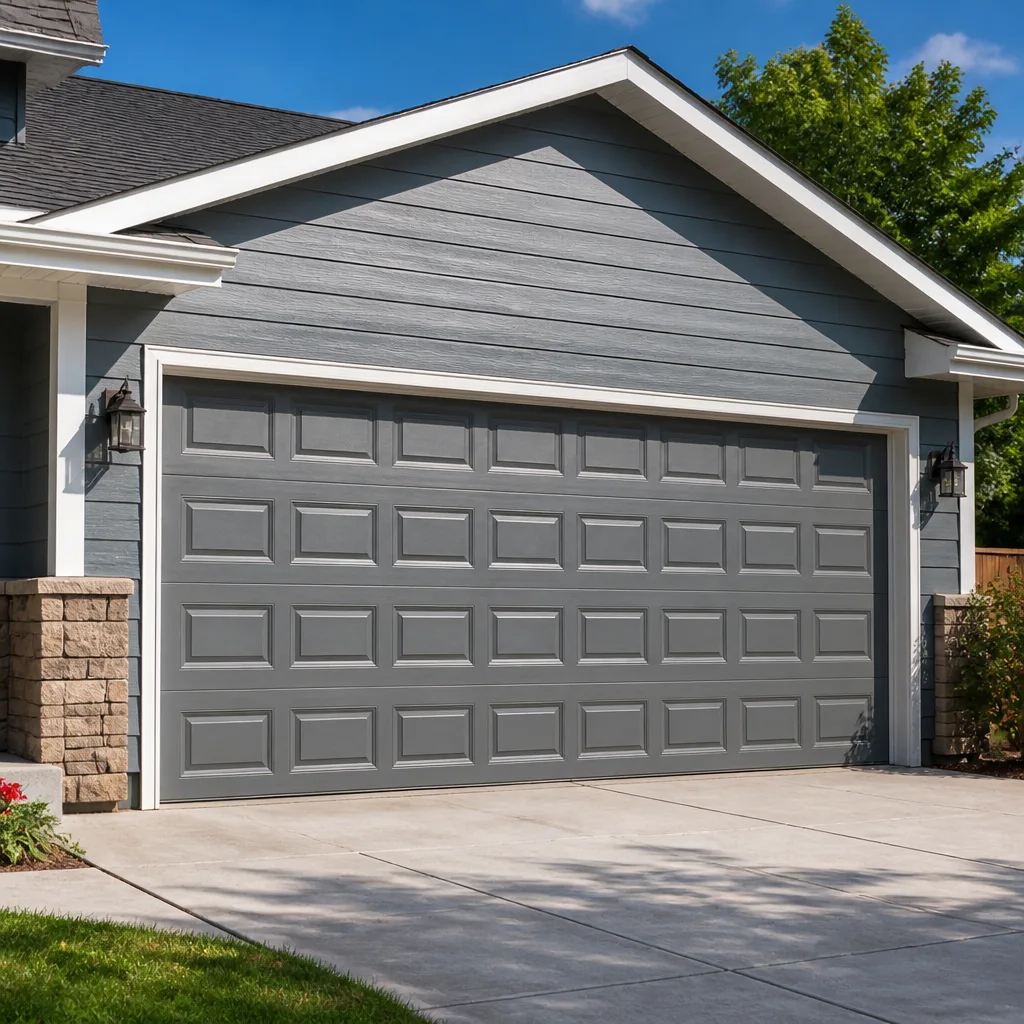 Raised-panel steel
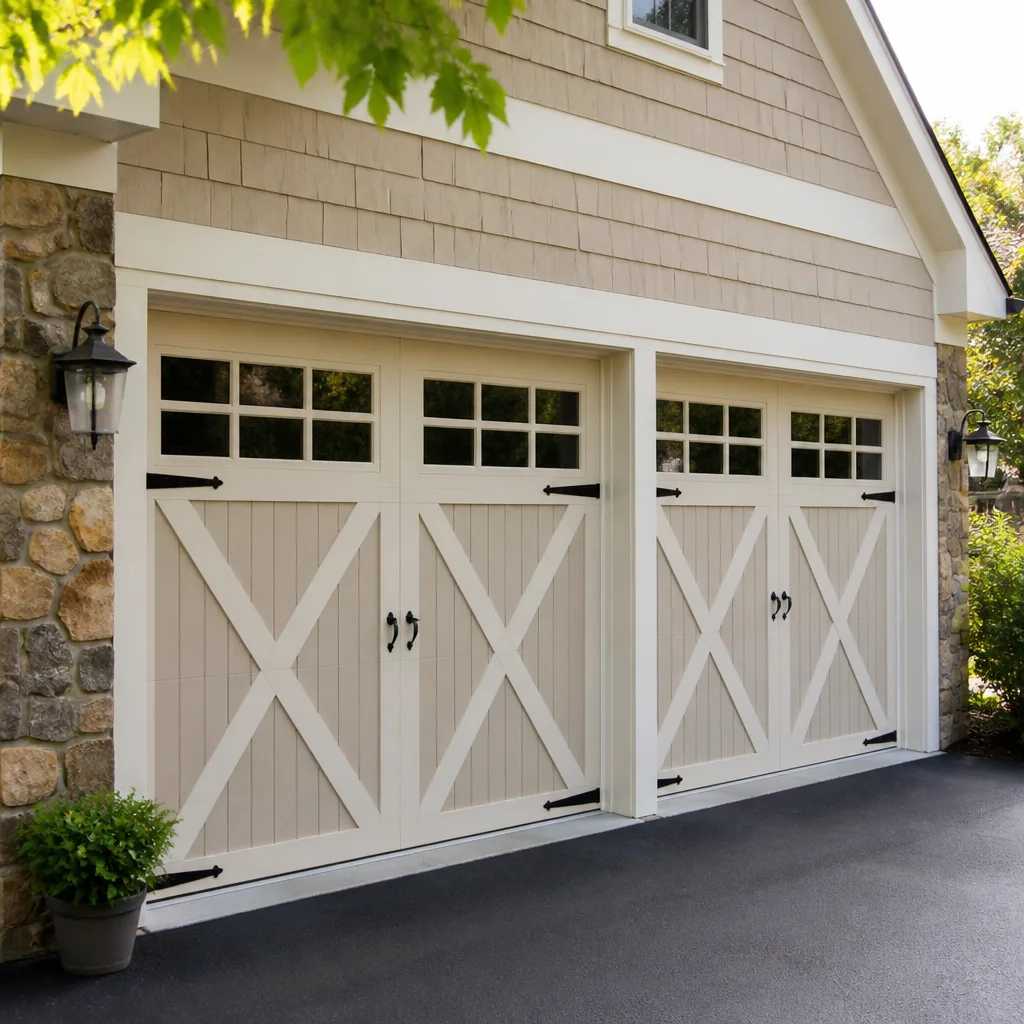 Carriage house
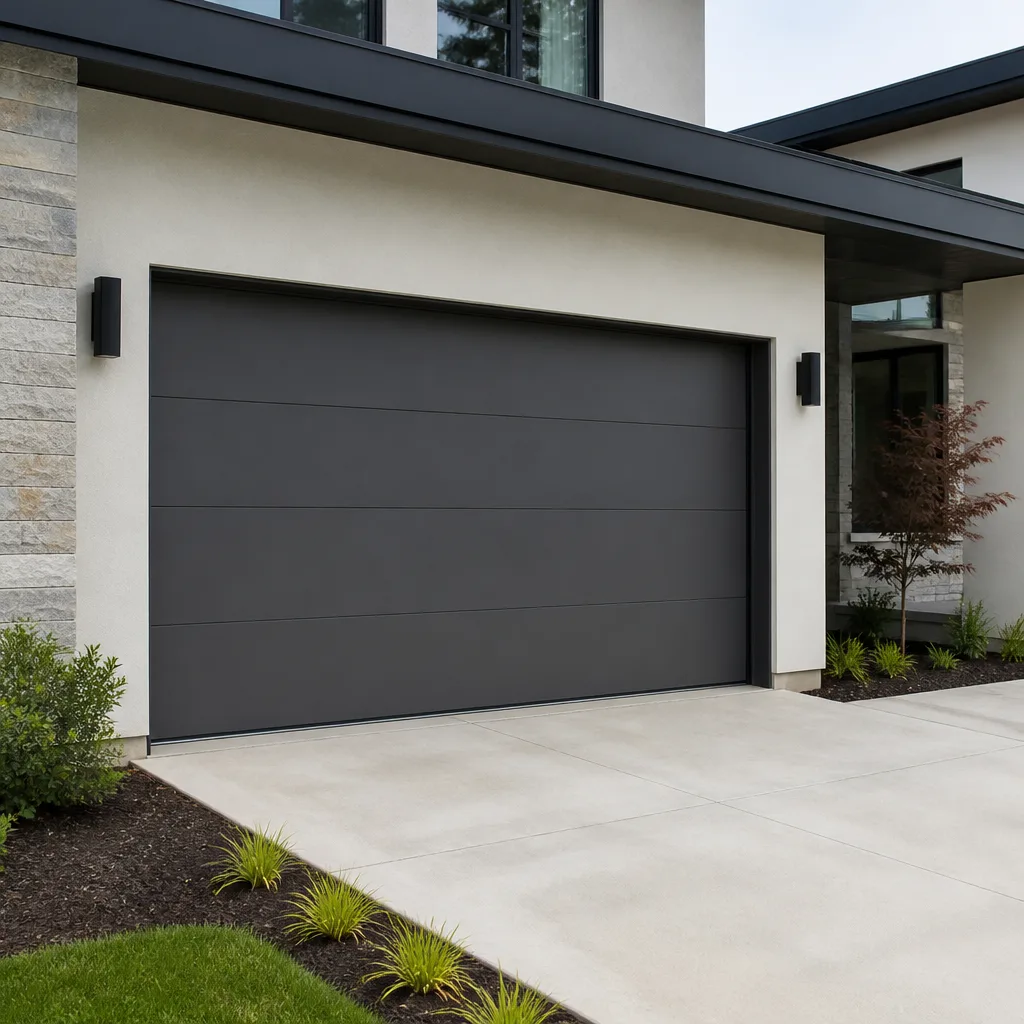 Modern flush
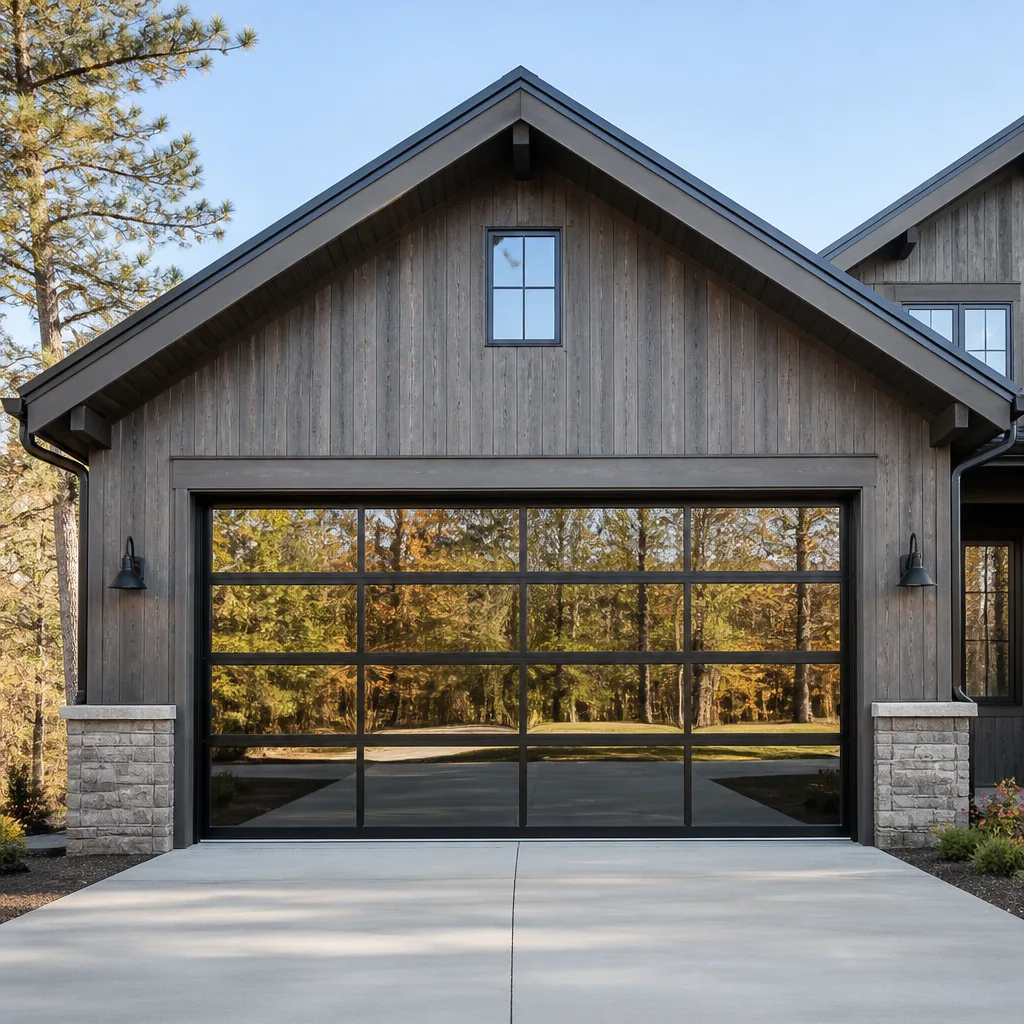 Full-view glass
 LiftMaster openers
 Chamberlain openers
Full 25-point door and opener safety check with every visit - springs, cables, rollers, tracks, and your LiftMaster or Chamberlain opener included
You get a price before we start. It does not change when the pro arrives.
Get your free estimateThe Complete Guide to Garage Doors in Naperville
Most Naperville homeowners have never read a single page about how their garage door works, yet it’s the largest moving mechanical object in the house. It lifts several hundred pounds several times a day, in a climate that swings from single digits in January to the nineties in July. That combination explains almost every breakdown we get called about. This guide walks through the full lifecycle of a Naperville garage door: how the parts depend on each other, how the local freeze-thaw cycle wears them down, which door brands dominate local subdivisions, and how to tell a repair that buys you years from one that just postpones a replacement.
Quick Answer
A Naperville garage door is a system, not a single product. Springs store the lifting force, cables transfer it, drums wind it, and the opener mostly just guides the door. When one part fails, the others take the load, which is why a snapped cable is rarely just a cable problem. Understanding where your door sits in its lifecycle – new, mid-life, or near replacement – tells you whether a repair makes sense or whether you’re sinking money into a system that’s already finished.
Styles & brands we work with
- Raised-panel steel
- Carriage house
- Modern flush
- Full-view glass
- LiftMaster openers
- Chamberlain openers
Table of Contents
- How a Garage Door Actually Works: Springs, Cables, Drums, and the Opener
- How Naperville’s Freeze-Thaw Cycle Wears Down Your Door
- What Brands Are on Naperville Doors, and Why It Matters for Parts
- Lifecycle Cost by Door Type Over 15 Years in This Climate
- Repair or Replace? The Age and Condition Thresholds That Decide It
- Spring Failure in Naperville: The Most Safety-Critical Repair
- Openers: Smart, Belt-Drive, and Chain-Drive Systems Explained
- What Routine Care Actually Prevents
How a Garage Door Actually Works: Springs, Cables, Drums, and the Opener
A sectional garage door weighs far more than the opener can lift alone. The springs do the heavy work. On a torsion system, one or two springs sit on a shaft above the door and store energy as they wind; the cables run down each side and connect to brackets at the bottom corners, and the drums at each end of the shaft wind the cables as the door travels. On an extension system, springs stretch along horizontal tracks above the door instead. Either way, the spring balances the door’s weight so a person could lift it by hand, and the opener only needs to overcome friction and inertia.
That relationship is why a “simple” cable snap is never simple. When a cable breaks, the door usually drops on one side, which can bend a track, bind a roller, and load the remaining spring unevenly. Trying to run the opener after a cable failure can strip the opener’s gear or burn out its motor. The parts are a chain, and the weakest link sets the load on everything else.
The two spring types have different failure signs:
- Torsion springs: a clean gap in the coil, a door that feels extremely heavy when lifted by hand, or a loud bang from the garage. Torsion springs are the most common setup on newer Naperville homes.
- Extension springs: stretched coils that no longer close up, a door that slams down instead of settling, or visible gaps between coils at rest.
We work on both systems on whatever brand is already on the door. Our technicians have up to 13 years of experience, and they’ve seen how a small misalignment left alone turns into a track replacement within a season.
How Naperville’s Freeze-Thaw Cycle Wears Down Your Door
Naperville winters average more than 35 days below 20°F, and that cold is only half the story. The bigger stress is the swing: a garage that hits the teens overnight and warms into the thirties by afternoon goes through dozens of freeze-thaw cycles each winter. Metal contracts in the cold and expands as it warms. Springs, cables, hinges, and the bottom seal all live through that motion every day, and the parts that fail first are usually the ones that can’t flex.
Here’s what that cycle does, part by part:
- Springs: steel becomes more brittle in cold, and a spring already near the end of its cycle count is more likely to snap on the coldest morning of the year than in July. Spring failure doesn’t wait for convenient weather.
- Cables: the cable drums and pulleys collect condensation that freezes and thaws, and a cable that’s slightly frayed at one strand will fail faster in this cycle than in a mild climate.
- Bottom seals: rubber and vinyl seals stiffen in the cold, crack at the corners, and stop sealing. A failed bottom seal lets in cold air, snowmelt, and pests, and it’s one of the cheapest fixes on the whole door.
- Tracks and rollers: frost heave under a concrete slab can shift a track slightly out of plumb. A track that’s a quarter inch off will wear rollers and strain the opener all year.
One practical consequence for Naperville: a door that sticks or sounds rough in January may work fine again in April, but that doesn’t mean the problem fixed itself. Cold makes an existing alignment or lubrication issue worse; it doesn’t create a new one. If your door struggles only in winter, that’s a signal to have the whole system checked, not a reason to wait for spring.
What Brands Are on Naperville Doors, and Why It Matters for Parts
Walk through Naperville’s subdivisions and you’ll see a fairly consistent set of door brands, largely because builders buy in volume. The door brand and the opener brand are two different things, and both matter when a technician shows up.
Door manufacturers you’ll see on local homes include Clopay, Amarr, Wayne Dalton, and Raynor. In subdivisions like Ashbury and White Eagle, many homes were built with steel raised-panel doors from one of these manufacturers, and because those models were installed in volume across the metro, replacement panels and hardware are generally easier to source than they would be for a one-off custom door. That availability matters when you’d rather replace a damaged section than the whole door.
On the opener side, LiftMaster, Chamberlain, Genie, and Craftsman dominate. LiftMaster and Chamberlain share a lot of internal design, which helps when a gear, logic board, or remote needs replacing. Older Genie and Craftsman units from earlier model generations use different parts than current models, and a technician who knows the difference can tell you in a few minutes whether a repair is worth doing or whether you’re better off with a new opener.
We’re factory-familiar with eight leading brands – LiftMaster, Chamberlain, Genie, Clopay, Amarr, Wayne Dalton, Craftsman, and Raynor – which means the technician who arrives works on what’s already on your home. No brand bias, no pressure to replace a working door because the brand is unfamiliar. If your property has a builder-grade Raynor door paired with an older Chamberlain opener, that combination is exactly what we expect to see in Naperville.
Lifecycle Cost by Door Type Over 15 Years in This Climate
Comparing door types on purchase price alone misses most of what you’ll actually spend. Over 15 years in a climate with real freeze-thaw cycles, the cost of ownership looks different for steel, wood, and fiberglass. These are typical estimate ranges for the Naperville market, not quotes – the written estimate sets the final price.
| Door Type | Typical Install Range | 15-Year Ownership Picture |
|---|---|---|
| Steel (raised panel) | $900-$2,200 | Lowest total cost. Painted steel needs occasional touch-up; dents from impacts are the main risk. Most common choice on Naperville homes. |
| Wood (painted or stained) | $1,800-$4,000 | Higher maintenance. Needs recoating roughly every 2-4 years in this climate to keep moisture out; neglect leads to swelling at the bottom section and rot near the seal. |
| Fiberglass | $1,400-$3,200 | Resists moisture and won’t rust, but can crack under impact and fade in strong sun. Moderate maintenance, good in humid or wet conditions. |
Typical repair costs to keep in mind alongside those numbers:
- One torsion spring: $180-$340. A matched pair is usually replaced together, so a pair runs about twice that.
- Opener repair: $120-$350 depending on the part.
- Cable replacement: $150-$300, often more if a track or drum was damaged when the cable let go.
- Bottom seal replacement: $90-$200, one of the best-value fixes on the door.
The number that surprises homeowners is the total, not the line item. Steel usually wins on 15-year cost in Naperville because it needs the least upkeep. Wood looks best and costs the most to keep looking that way. Fiberglass sits in the middle and holds up well against moisture but is less forgiving of impact. Whichever you choose, the installed price is quoted and agreed before any work starts, so there are no surprises on the invoice.
Repair or Replace? The Age and Condition Thresholds That Decide It
The decision comes down to age, condition, and how many systems are failing at once. A door with one worn part is a repair. A door where several major components are near the end of their life is usually a replacement, because repairing one part just moves the next failure closer.
Work through these questions in order:
- How old is the door? Most steel doors last 15-20 years with normal care. Past that window, panel delamination, rust at the bottom section, and worn hardware start piling up.
- How many parts have failed in the last two years? One spring or one opener part is normal. Springs, cables, rollers, and an opener all failing within a couple of years points to a door at the end of its life.
- Is the door structurally sound? Bent sections, a sagging top panel, or a track that won’t stay aligned after adjustment are signs the door itself is done, not just its hardware.
- Does the repair cost approach a meaningful fraction of a new door? When a repair estimate gets close to replacement territory, a new door with a fresh warranty usually makes more sense.
- Do you want a different door anyway? If you’re planning to change style, add insulation, or upgrade, spending heavily to repair the old door is money you won’t get back.
In our experience, the honest answer is usually clear once we’ve looked at the whole system. A 6-year-old door that needs a spring is a straightforward repair. A 19-year-old door with a snapped spring, a frayed cable on the other side, and a noisy opener is a conversation about replacement. Getting garage door repair right means fixing the actual failure, not the loudest symptom.
Spring Failure in Naperville: The Most Safety-Critical Repair
Springs are the one part of a garage door that can seriously hurt someone. They store enough energy to move several hundred pounds, and when a torsion spring lets go, the shaft can spin hard and fast. This is not a repair to attempt with hand tools and a ladder. A trained technician uses winding bars and specific procedures for a reason, and we recommend leaving spring work to a professional even when the door looks manageable.
Spring failure usually announces itself in one of a few ways:
- A loud bang from the garage, sometimes loud enough to be heard through the house.
- A door that won’t lift, or lifts a few inches and stops.
- A visible gap in the torsion spring coil.
- The opener running but the door not moving, or the door feeling extremely heavy when disengaged and lifted by hand.
If a spring has failed, stop running the opener. Continuing to run it puts the full load on the opener’s gear and rail, and what started as a spring replacement can turn into a spring plus an opener. Spring repair is a dedicated service for us, not a sideline, because it’s the highest-risk repair on the door and the one where shortcuts show up later.
Typical cost in Naperville: $180-$340 for one torsion spring, with a matched pair usually replaced together at roughly twice that. The price is quoted and agreed before work starts. If you’re unsure whether the spring or the opener is the problem, garage door opener repair covers the diagnostic side.
Openers: Smart, Belt-Drive, and Chain-Drive Systems Explained
Most opener problems are simple to diagnose once you know what type of unit you have. Chain-drive openers are loud but durable and common on older homes. Belt-drive openers run quieter, which matters if a bedroom sits above the garage. DC belt units and smart/Wi-Fi openers add app control and quieter operation but have logic boards and sensors that can fail in ways older units didn’t. We work on all of these across the major residential brands, including LiftMaster, Chamberlain, Genie, and Craftsman, spanning both current models and older generations.
Common opener symptoms and what they usually mean:
- Door reverses immediately: often a safety sensor issue, a misaligned track, or a binding roller rather than the opener itself.
- Opener hums but doesn’t move the door: frequently a stripped gear or a broken spring taking the load off the opener.
- Remote works only up close: usually a battery, antenna, or logic board issue depending on the model.
- Wall button works but remotes don’t: typically a receiver or programming issue.
If the opener is more than 15 years old and the repair is a logic board or motor, replacement is often the better value. A new opener also gets you current safety reversing features. If you’re pairing a new opener with a new door, that’s the moment to think about garage door installation as a single coordinated project.
What Routine Care Actually Prevents
Maintenance doesn’t make a door last forever, but it prevents the failures that cost the most. Most of what goes wrong in a Naperville garage traces back to a handful of small things left alone.
A yearly check covers most of it:
- Look at the springs and cables. A gap in a torsion coil or a frayed cable means stop and call.
- Test the balance. Disengage the opener and lift the door halfway. A balanced door stays put; one that slams down or drifts up has a spring or tension problem.
- Check the safety reverse. Put a solid object in the door’s path and confirm it reverses on contact.
- Lubricate the moving parts. Rollers, hinges, and the spring (with the right lubricant) run quieter and last longer.
- Inspect the bottom seal. Cracks and gaps let in cold air and moisture; replace the seal before it damages the bottom section.
- Look at the tracks. Any bend or out-of-plumb section strains the whole system.
Doing this once a year, ideally before the first hard freeze, catches the problems that are cheap to fix now and expensive after a failure. What we see most in Naperville is a bottom seal that’s been ignored for several winters, followed by moisture damage to the bottom panel.
Common Mistakes to Avoid
- Running the opener after a spring or cable fails. This is the single most common way a $200-ish repair turns into a spring, cable, and opener job. Stop using the door until it’s checked.
- Replacing one spring of a matched pair. When two springs were installed together, they’ve cycled the same number of times. Replacing one leaves the older one to fail soon after.
- Ignoring a door that only struggles in winter. Cold exposes existing problems. Waiting until spring means another season of strain on springs and cables.
- Letting the bottom seal go. A cracked seal is cheap to replace and lets in cold air, snowmelt, and moisture that damages the bottom section from the inside.
- Assuming a noisy door is normal. Grinding, squealing, and banging usually mean worn rollers, dry hinges, or a tension problem, and they get worse.
- Trying to adjust springs yourself. The stored energy in a wound spring can cause serious injury. This is professional work.
- Buying an opener before checking the door. A door that binds or has a weak spring will wear out a brand-new opener. Fix the door first, then the opener.
See the difference
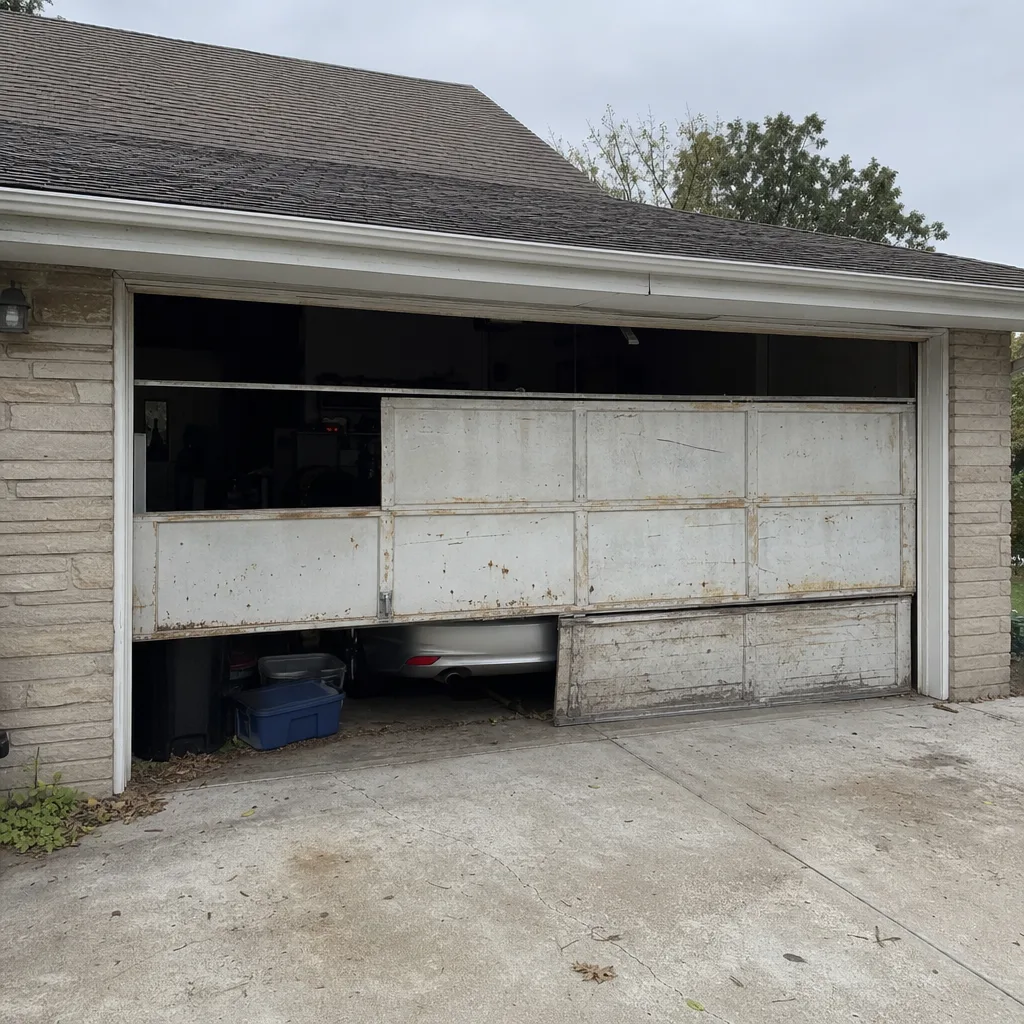 Before
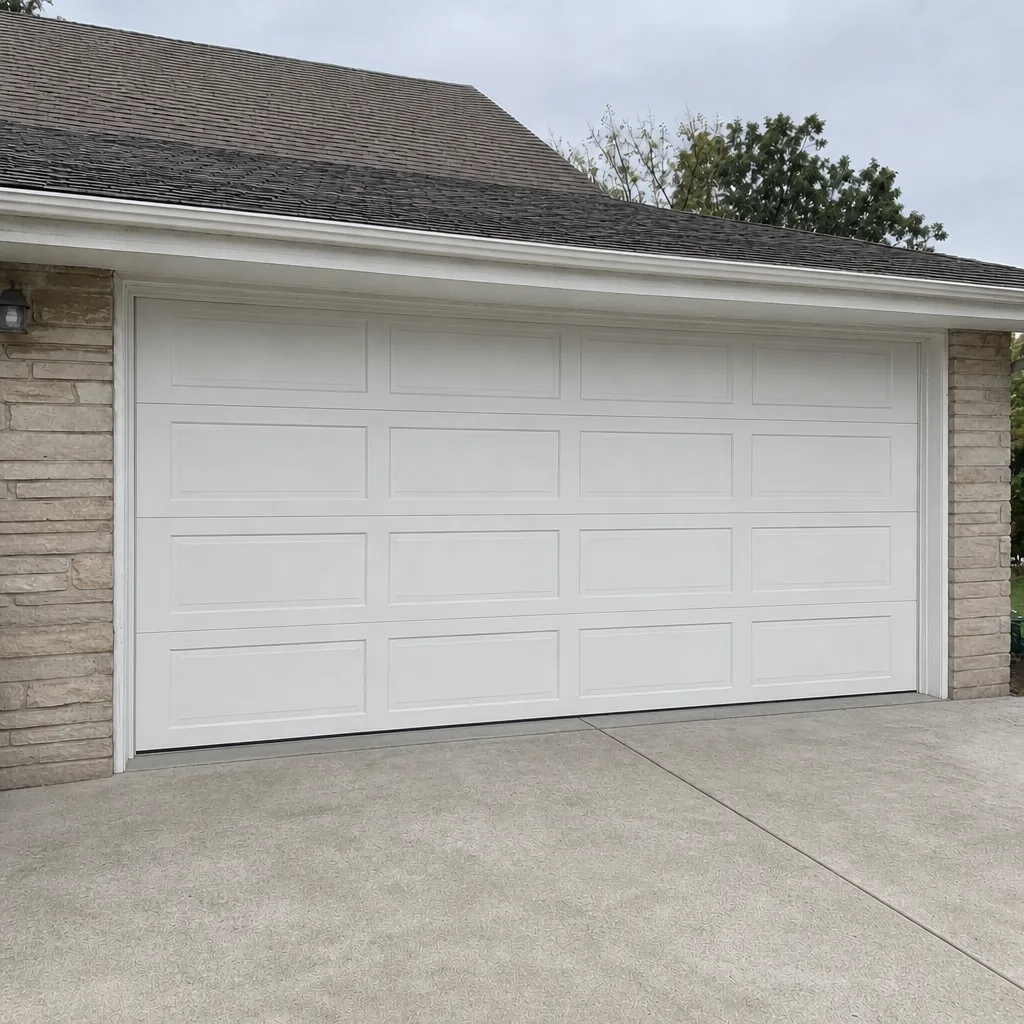 After
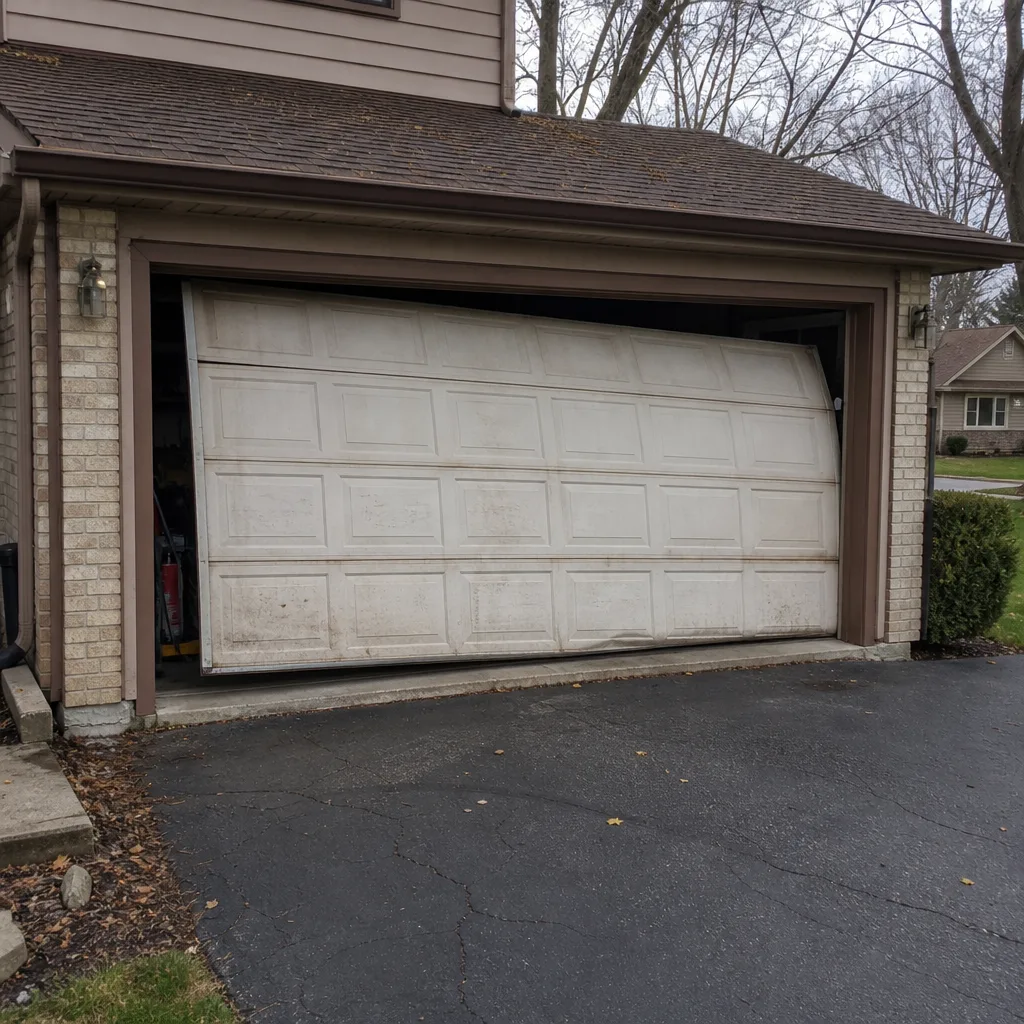 Before
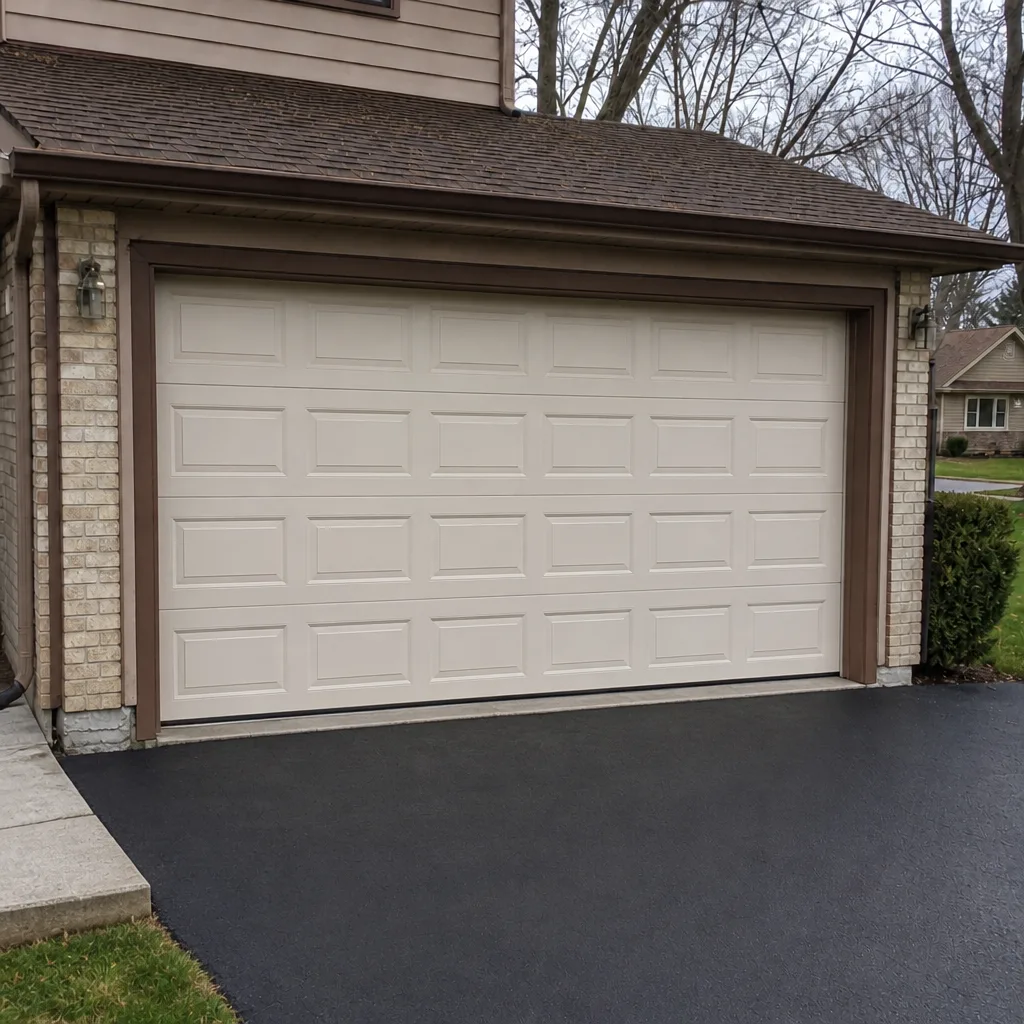 After
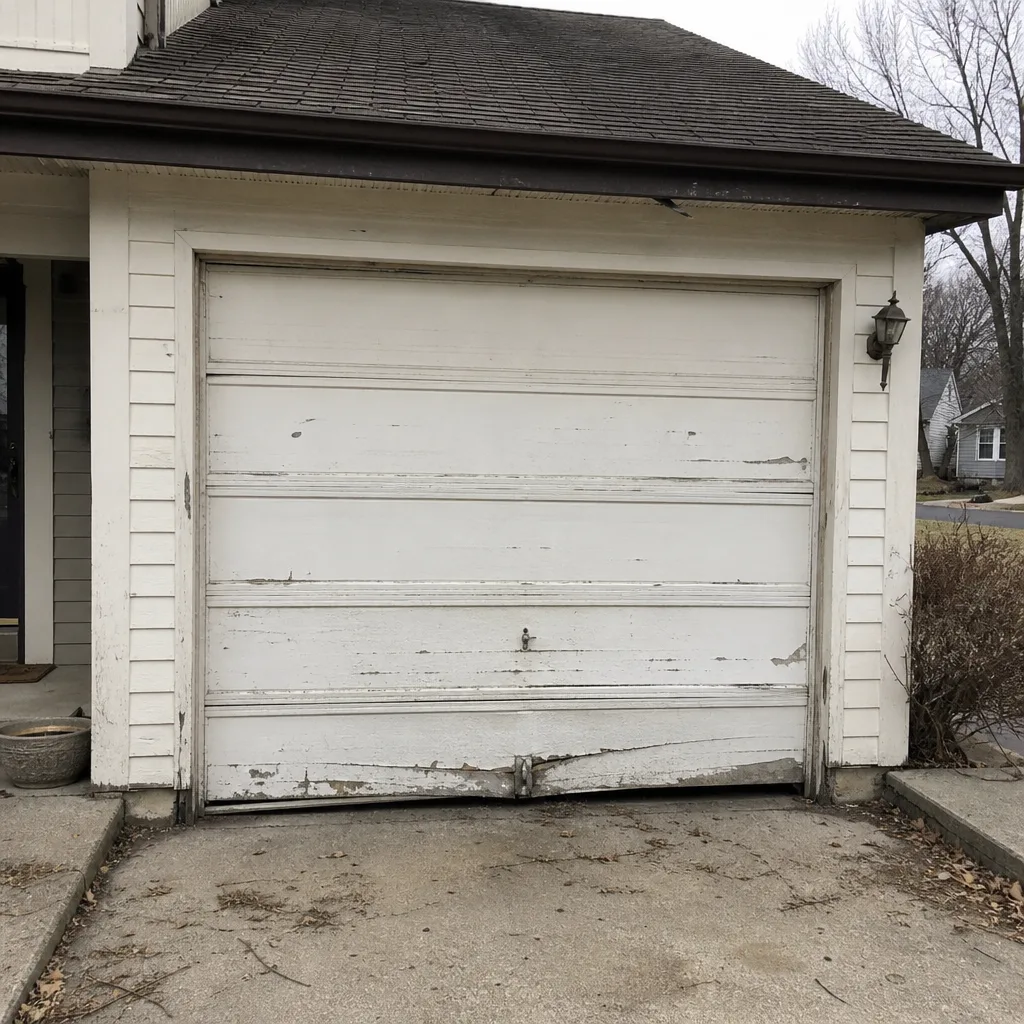 Before
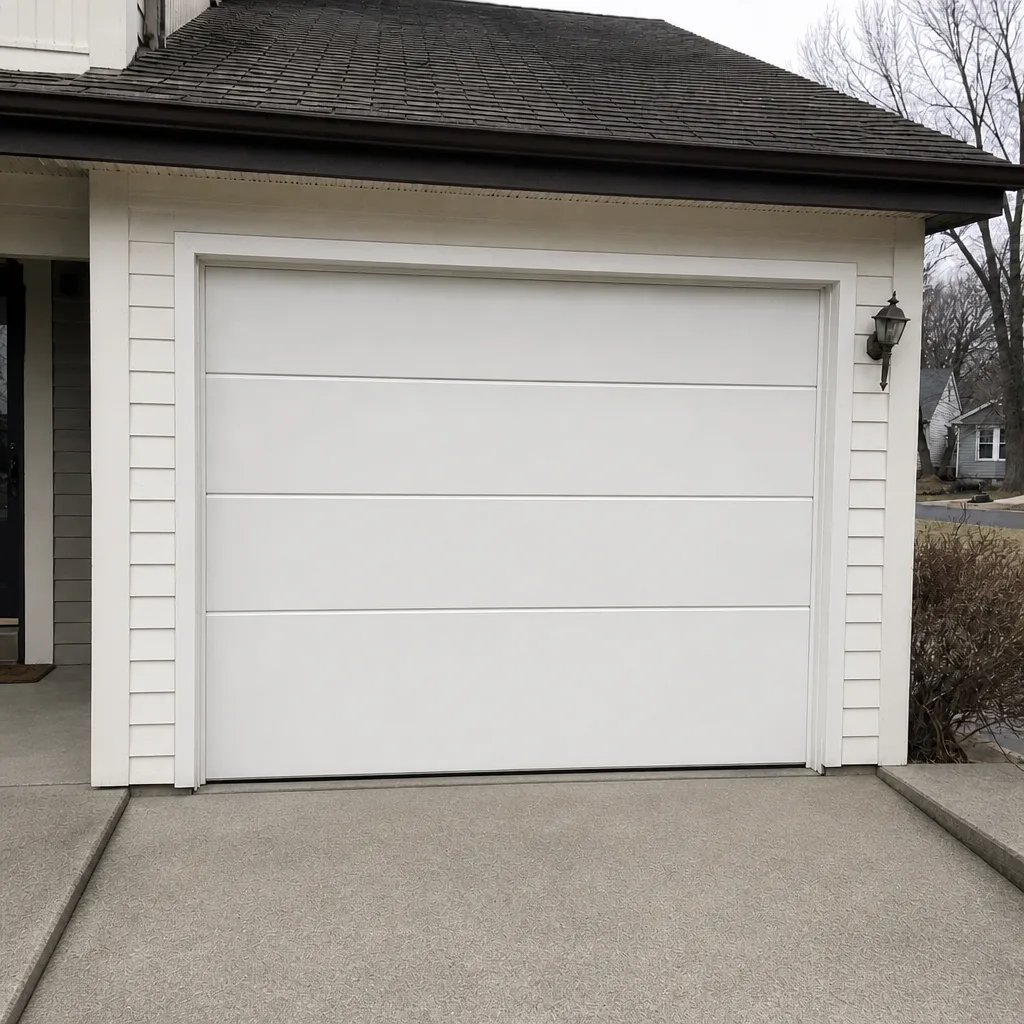 After
When to Call a Professional
Call a professional when a spring has snapped, a cable is frayed or broken, the door is crooked or off its tracks, the opener runs but the door doesn’t move, or the door reverses or slams unexpectedly. Those are situations where continuing to use the door risks more damage or injury. Less urgent but still worth a call: a door that’s noisy, a bottom seal that’s cracked, or a door that only struggles in cold weather.
For a full new door or a major upgrade, the process is measured and scheduled rather than immediate. A free measure and a written price come first, and the written estimate sets the final price before any work starts. Naperville Garage Door Repair Co offers free estimates in Naperville – call (833) 513-8805. We answer 24/7. A call outside dispatch hours is booked into the next opening, Sunday through Friday, 7am to 7pm. If a door has failed and the house is open to the weather or a car is blocked in, emergency garage door service is a core part of what we do. You can learn more about the full range of work through Naperville Garage Door Repair Co.
Frequently Asked Questions
One torsion spring typically runs $180-$340, and a matched pair is usually replaced together at roughly twice that. The written estimate sets the final price, and the price is agreed before work starts. Call (833) 513-8805 for an exact quote – estimates are free.
In most cases yes. We answer 24/7 and run fast dispatch from 7am to 7pm, Sunday through Friday. A locked-in car or an open garage is exactly the kind of call we prioritize. Call (833) 513-8805 and we’ll book the soonest opening.
No. The written estimate is the price, and it’s agreed before any work begins. If we find something during the job that changes the scope, we stop and talk it through with you before proceeding. Call (833) 513-8805 for a free estimate.
The local pros we connect you with are licensed and insured as their state requires. Our technicians have up to 13 years of experience and are familiar with the major door and opener brands on Naperville homes. Call (833) 513-8805 to book.
Springs are rated in cycles, and most homes use the door enough to reach that limit within roughly 7-10 years. Naperville’s freeze-thaw swings put extra stress on cold mornings, so failures often cluster in winter. Call (833) 513-8805 if you hear a bang or the door won’t lift – estimates are free.
At 15 years, one failed part is usually still worth repairing. If several major components have failed recently or the panels are damaged or rusting at the bottom, replacement is usually the better value. Call (833) 513-8805 for a free assessment.
Very likely. We’re factory-familiar with Clopay, Amarr, Wayne Dalton, Raynor, LiftMaster, Chamberlain, Genie, and Craftsman – the brands most common on Naperville homes. Call (833) 513-8805 and tell us what you have.
The Bottom Line
A Naperville garage door is a system: springs store the force, cables transfer it, and the opener does the light work. When one part fails, the rest take the strain, which is why a small repair done early costs far less than a chain reaction ignored. Factor in the freeze-thaw cycle and the case for routine care gets stronger. Know the springs and cables, watch the bottom seal, and call when something feels wrong rather than after it breaks. Repair usually wins on a younger door with one failure; replacement usually wins once multiple parts are failing or the panels are shot. Either way, a written estimate before work starts keeps the cost predictable.
Naperville Garage Door Repair Co covers repair, opener service, spring replacement, and new installation on all eight major brands. Call (833) 513-8805 for a free estimate. We answer 24/7. Fast dispatch from 7am to 7pm, Sunday through Friday.
Written by the team at Naperville Garage Door Repair Co.